Meaning
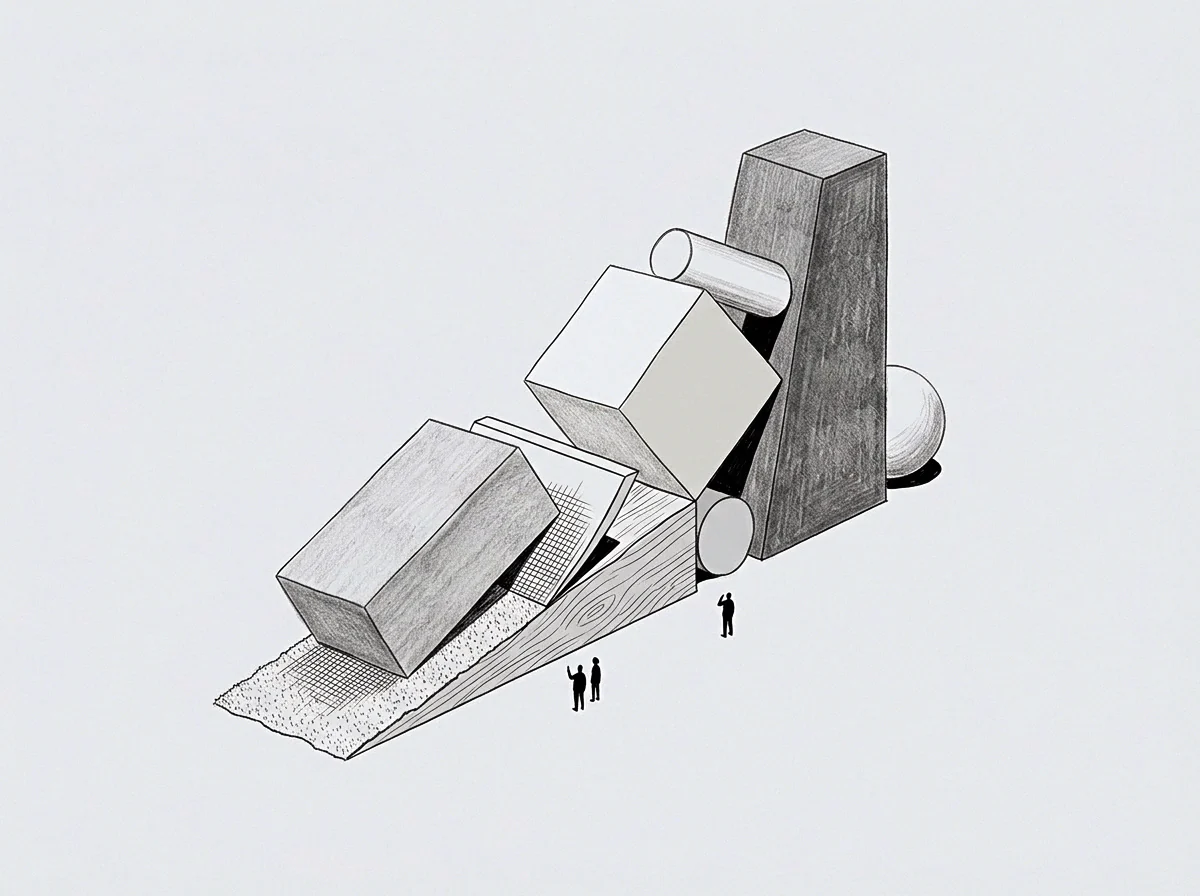
The central baseline operates as the physiological and cognitive reference point maintained by a solo founder after launching a venture, anchoring neuroendocrine output against chronic uncertainty and decision fatigue. Regulation of this state relies on borrowed social cues and autonomic self-management, consuming hours of focused attention daily to prevent exhaustion. The limit applies wherever the founder lacks external peers who share the operational load, ending once institutional governance or stable cofounders provide reliable homeostatic regulation.
Capacity Reserve
Maintenance of this internal standard requires constant reallocation of neural bandwidth away from product development toward emotional stabilization. Attention shifts toward managing physiological arousal spikes caused by financial unpredictability and operational friction. This allocation costs twenty weekly hours of direct capacity that would otherwise support strategic growth.
Self-regulation replaces missing social structures through deliberate routines, yet the physiological toll accumulates across months of isolation.
Allostatic Cost
Chronic deviation from the baseline drives wear on cardiovascular and metabolic systems through sustained cortisol production. Sleep architecture degrades as micro-arousals disrupt recovery periods during high-stakes decision cycles. Hours spent managing this wear subtract directly from the energy available for complex problem-solving.
Biological efficiency drops steadily until the founder enforces rigid boundaries around availability.
Boundary Regulation
Strict limits on external communication preserve the remaining reserve against total depletion. Communication channels close at fixed hours to separate active operational stress from mandatory biological recovery. This constraint stops external stakeholders from setting the internal tempo of the venture.
Enforced separation protects the foundational stability required for long-term enterprise survival.