
How Social Baseline Proximity Offsets Allostatic Load In Solitary Regulators
Physical proximity to a reliable companion signals safety to threat circuitry, dropping solitary vigilance and offsetting allostatic load without spoken advice.
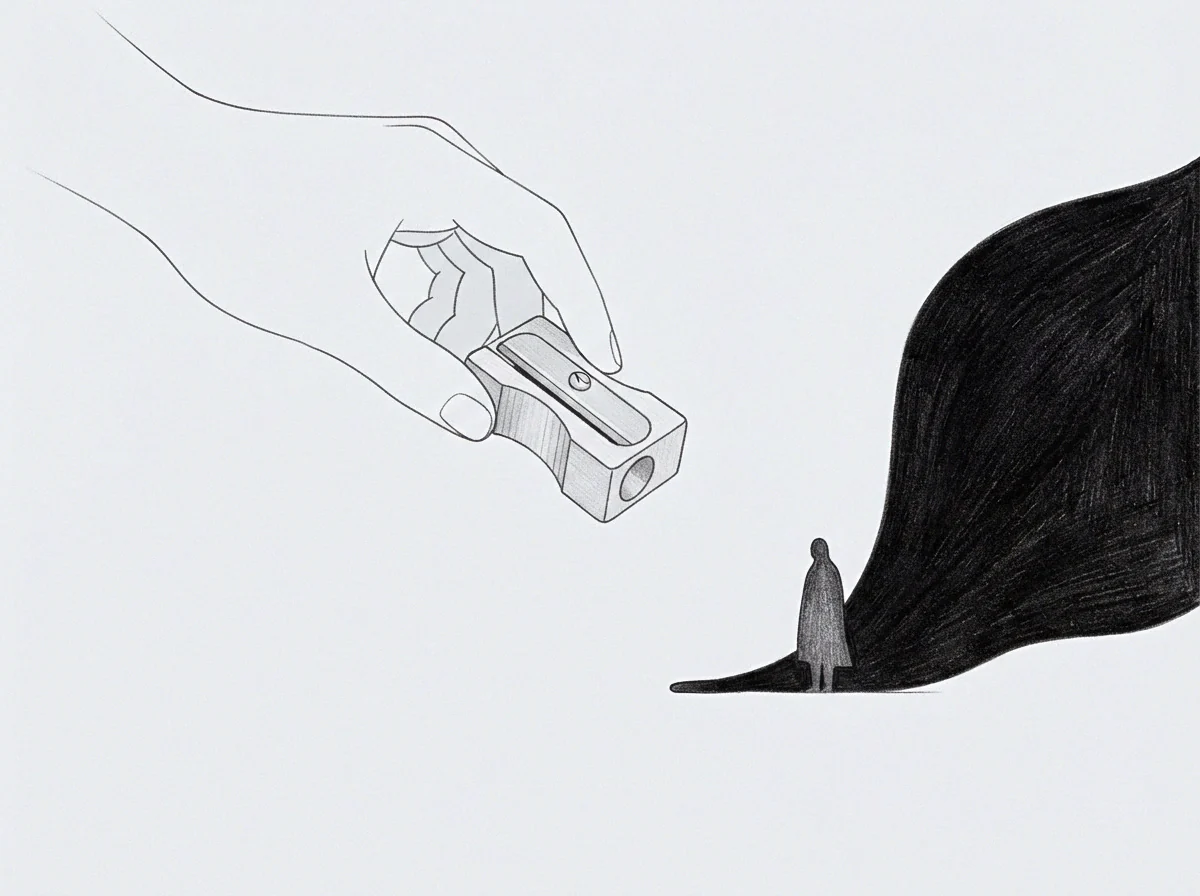
Solitude
Four messages sit open on a desktop terminal past midnight, each presenting an operational fracture that demands immediate intervention. The operator handles each query without outward hesitation, drafting replies that preserve calm across the team while keeping an even pulse. Internal systems register this isolation differently.
Threat circuitry in the brain treats solitude under pressure as an immediate hazard, shifting metabolic resources toward continuous environmental monitoring. A solitary regulator carries the full biological cost of stabilizing an organization while suppressing the signals of physical depletion.
Under social baseline theory, the human brain assumes proximity to reliable conspecifics as its default ecological setting. Being near familiar peers distributes vigilance, cognitive processing, and emotional regulation across multiple bodies. When someone operates without an attachment figure at hand, the nervous system shifts into an expensive contingency mode: every ambiguous signal demands active evaluation, budgeting energy on the assumption that no outside support will absorb surprise or ward off danger.
A biological budget running without shared surveillance burns fuel at emergency rates whenever ambiguity appears.
Physical isolation during periods of authority accelerates physiological wear. An operator often treats ongoing exhaustion as a failure of discipline, but the driver is systemic. Continuous solitary regulation keeps the hypothalamic-pituitary-adrenal axis engaged, sustaining glucocorticoid production and elevated blood pressure across normal resting hours.
The operator might steady four executives, two directors, and five operational leads without any of them serving as a regulatory counterweight. Sleep deteriorates first, and the cardiovascular system absorbs the remaining untreated pressure, showing up as vascular inflammation and chronic muscular tension long after the terminal goes dark.

Seat

Metabolic Consequences Of Solitary Vigilance
Holding authority over an enterprise concentrates administrative decisions in one nervous system. The occupant of the seat absorbs ambiguity from staff, partners, and external counterparties, translating volatile scenarios into steady organizational directives. This operational stability attracts additional operational burden.
Observers interpret composure during high-friction negotiations as evidence of limitless physiological reserves. The organization consequently routes unresolved disputes and strategic ambiguities directly toward the executive desk.
Solitary regulators encounter specific physiological failure states when external support remains absent over quarters of intense operation:
- Allostatic accumulation generates sustained elevations in resting heart rate and circulating catecholamines throughout weekend recovery intervals.
- Receptor blunting diminishes the subjective experience of relief following project completion, leaving systemic vigilance running at high pitch.
- Cognitive constriction narrows working memory capacity, forcing reliance on rigid heuristic decisions during complex personnel negotiations.
- Metabolic exhaustion empties glycogen reserves prematurely, inducing afternoon crashes that stimulants fail to alleviate.
The executive seat enforces an artificial asymmetry in interpersonal dynamics. While junior personnel bring distress to the office seeking stabilization, the executive directs reassuring cues downward without an intake port for external comfort. This one-way arrangement means regulation flows solely outward.
The nervous system adapts by suppressing peripheral feedback signals, dulling interoceptive awareness to prevent collapse. Over extended stretches, that persistent suppression degrades organ function and accelerates biological aging in cardiovascular tissues.
Physical distance from peers compounds the liability. When leaders work behind closed partitions or in remote home offices, their sensory systems lack the low-level acoustic and postural cues that signal safety. The solitary regulator reads an empty room not as rest, but as an abandoned watch post.
Vigilance remains active until the nervous system detects an allied presence capable of holding the perimeter.
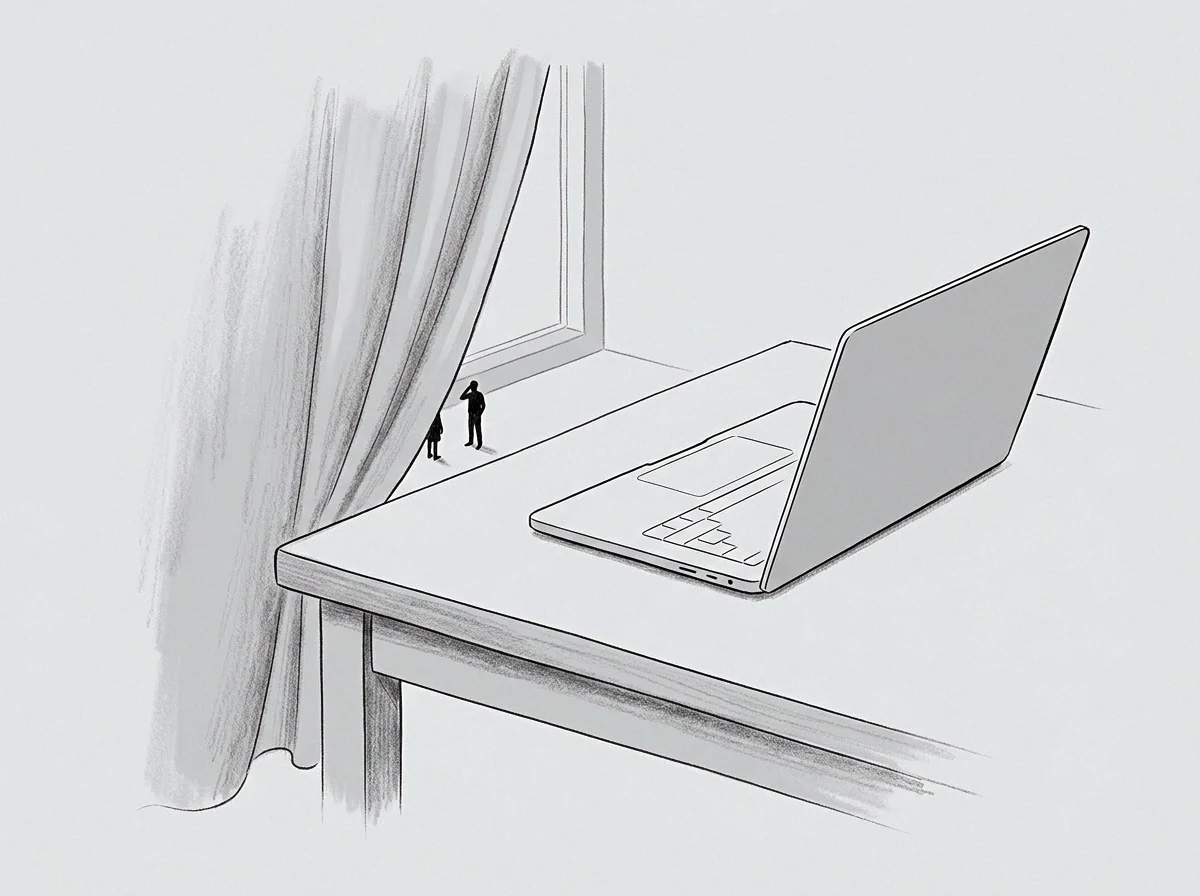
Threat

Measured Divergence In Regulatory Cost
Controlled experiments tracking autonomic physiology under stress reveal substantial differences between solitary coping and shared presence. When research subjects face physical threats while alone, functional imaging reveals heightened activity in the anterior insula, dorsal anterior cingulate cortex, and subcortical threat pathways. These regions govern the mobilization of glucose, increase cardiac output, and sharpen sensory intake to prepare for physical injury.
Solitary operators experience identical activations while parsing balance sheets or managing sudden vendor liquidations. Distance raises the baseline expenditure.
| Physiological Metric | Solitary Regulation Mode | Familiar Co-Presence Mode | Physiological Outcome |
|---|---|---|---|
| Hypothalamic Activation | Continuous high-amplitude signaling | Rapid attenuation following threat contact | Reduced glucocorticoid secretion |
| Vagal Tone Index | Suppressed parasympathetic braking | Sustained respiratory sinus arrhythmia | Preserved autonomic flexibility |
| Blood Pressure Recovery | Prolonged elevation past two hours | Normalization within twenty minutes | Lowered vascular wall degradation |
| Prefrontal Metabolic Cost | Maximum glucose consumption | Distributed cognitive load | Extended daily executive endurance |
Data from these physiological protocols indicate that the human organism budgets bodily resources through relational calculation rather than solitary assessment. When a competent, familiar human body sits three feet away, neural pathways treat potential obstacles as shared problems. The dorsal anterior cingulate cortex decreases its subjective alarm signaling, effectively outsourcing half the surveillance burden to the accompanying peer.
This biological mechanism operates beneath conscious reflection, requiring no spoken reassurance, active problem-solving, or coaching dialogue. The simple physical placement of a trusted counterpart in the immediate sensory environment alters the brain’s metabolic equation.
Proximity to a trusted peer alters metabolic expenditure before conscious cognition interprets the problem.
Solitary regulators habitually attempt to bypass this relational mechanism through cognitive reappraisal and behavioral discipline. They study stress reduction techniques, schedule rigorous solo workouts, and calibrate nutrition to endure heavier enterprise stress. These interventions operate downstream from the primal threat detection apparatus.
A nervous system operating in physical isolation continues to budget for disaster, burning systemic reserves to maintain operational discipline while cardiovascular strain compounds quietly in the background. The individual continues to report feeling capable of bearing the load, while biomarkers reflect advanced physiological attrition.
A steady voice on an audio call routinely conceals this physiological strain from coworkers.

Presence
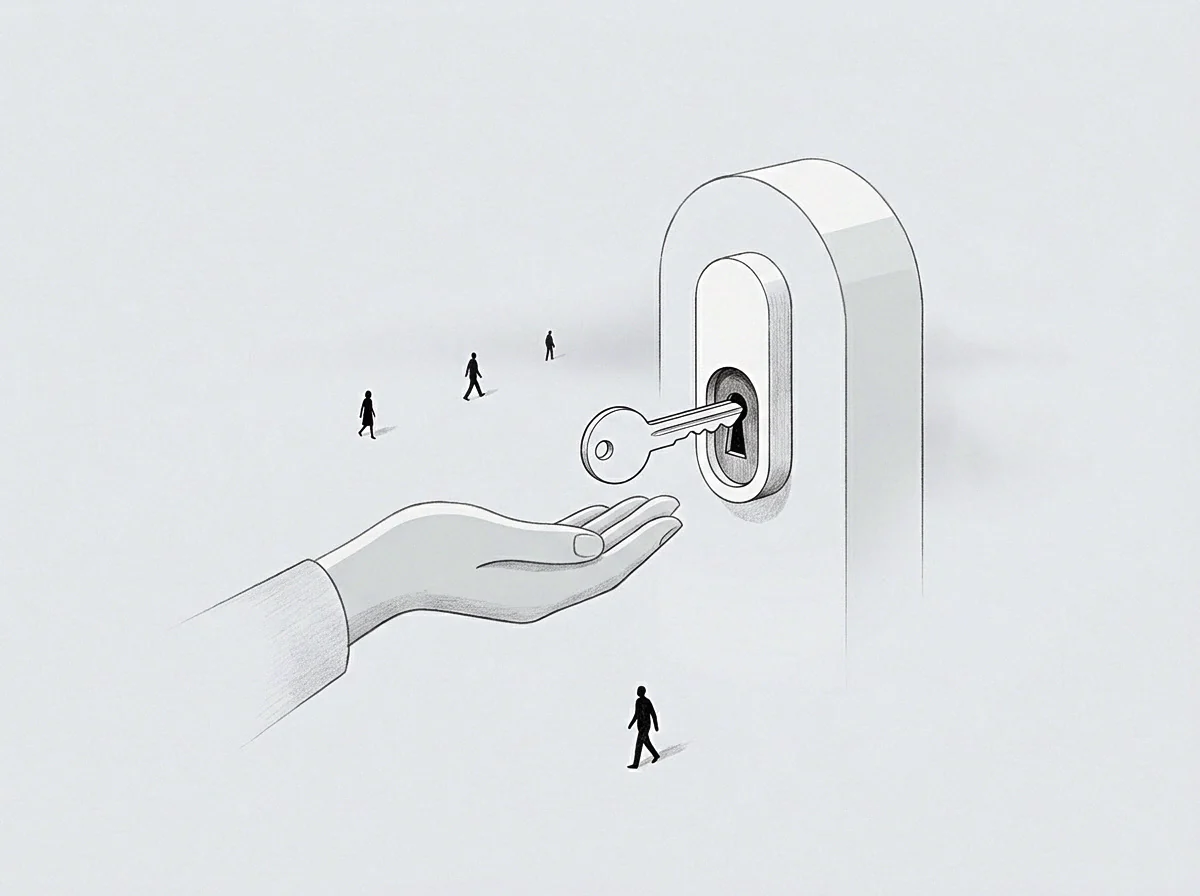
Shared Geography And Baseline Calibration
Neural circuits governing autonomic stability calibrate directly against physical surroundings. When a second person enters the workspace whose reliability is established, sensory receptors track the micro-movements, breathing cadences, and subtle posture changes that signal security. The primary regulator feels sympathetic tone ease without a word spoken about workplace tension, dropping muscular bracing as the central nervous system re-budgets its resources.

Could Shared Physical Presence Lower Threat Responses Directly?
Laboratory findings demonstrate that passive physical presence attenuates neural threat responses in proportion to relational quality. The calming effect does not appear when the accompanying figure is an unfamiliar stranger or an erratic colleague whose motivations require ongoing monitoring. An unpredictable partner introduces additional surveillance demands, forcing the primary regulator to monitor both the organizational emergency and the companion.
The regulatory offset occurs exclusively when the accompanying body carries an established track record of benign, non-demanding reliability.
Re-establishing proximity requires a precise structural progression to allow an overloaded nervous system to accept external co-regulation:
- Spatial co-location establishes shared room occupancy without imposing conversational or administrative obligations upon the regulator.
- Silent alignment enables both parties to work on parallel tasks while peripheral vision confirms the peer remains stable and non-reactive.
- Somatic synchronization emerges as autonomic rhythms, breathing depths, and postural shifts align naturally across thirty minutes of quiet contact.
- Load distribution manifests when the regulator offloads tactical analysis, allowing the companion to absorb secondary decision streams.
An operator accustomed to running an organization alone encounters real resistance when proximity becomes an option. Because solitary habits tie safety to unilateral control, another presence initially sets off mild defensiveness. The regulator scans the peer for fatigue, evaluation, or incoming demands.
Only regular, quiet exposure to someone who requires no soothing allows subcortical threat networks to disengage.
A relational field that asks for no emotional stabilization allows defensive neural firing to subside.
This dynamic leaves open the practical challenge of finding counterparts whose own regulation remains durable enough to withstand the ambient tension of high-stakes enterprise leadership.

Roof
Physical shelter protects bodies, but psychological stability depends on who shares the room. For an operator carrying the biological strain of solitary oversight, establishing shared physical space is a practical physiological measure: placing another settled nervous system nearby without turning the interaction into an exercise in vulnerability or delegation. The counterpart simply needs enough autonomic steadiness to stay clear of the operator’s tension without feeding anxiety back into the room.
A co-founder, operating partner, or non-executive peer can fill that role whenever the relationship is free of unresolved friction. When two leaders work under the same roof on separate crises without having to manage one another’s reactions, allostatic load drops for both. The brain treats the shared room as collective defense.
Resting heart rates drop, immune suppression lets up, and the habitual vigilance of long-term isolation fades until quiet moments cease to trigger alarm. The body can finally resume the baseline tissue repair that chronic isolation stalls.
Setting up this arrangement fundamentally alters the physical sustainability of leadership. Staying functional stops being an endurance trial of private willpower and becomes an ecologically grounded division of administrative strain between two bodies. The solitary regulator who arranges this proximity protects the enterprise by preserving the vascular and neural health that executive decisions depend on.
When an operating pact specifies physical co-presence during crisis intervals without reporting obligations, biological wear declines across every participant.