Meaning
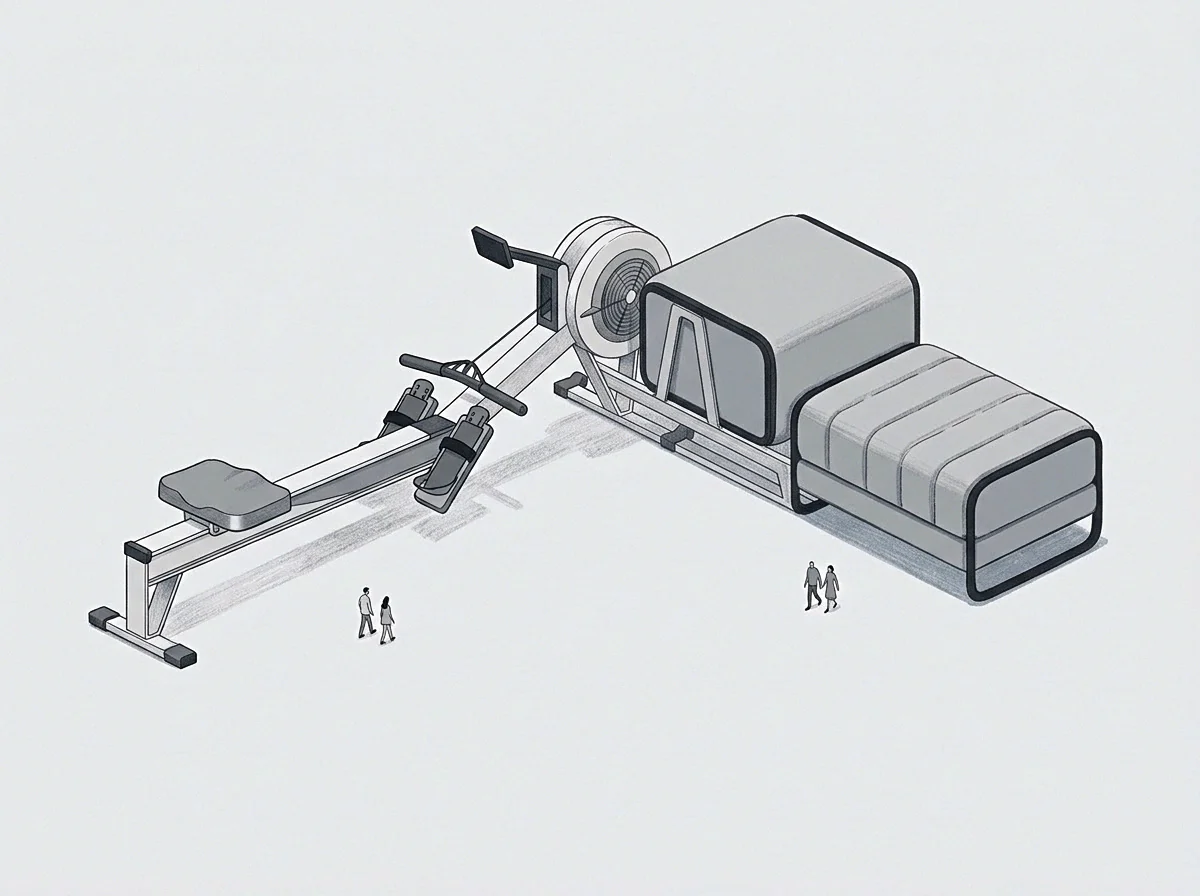
Operational concentration occurs when an administrative architecture routes multiple approvals through a single decision authority. A central choke appears when an individual or desk retains sole sign-off power over disparate functional domains, forcing operational throughput to match that single node’s processing capacity. This structural bottleneck restricts organizational velocity to the personal throughput of the bottleneck holder.
The boundary of this condition stops where formal delegation bestows binding authority on subordinate roles without required upward review.
Structural Origin
System design choices in early operating environments frequently embed individual sign-off requirements into routine workflows. A central choke emerges when founders retain approval rights over expenditures and hiring long after organizational scale makes individual oversight impractical.
Operational Strain
Administrative delay imposes direct energy and attention costs on both the bottleneck holder and dependent personnel. When a central choke persists, decision quality deteriorates as pending requests accumulate, driving cognitive overload and rushed evaluations. Subordinate managers experience friction, reduced autonomy, and delayed project timelines, which leads to operational paralysis.
The accumulated backlog obliges the central authority to spend excessive hours triaging routine administrative inquiries rather than addressing strategic priorities. Consequently, individual physiological strain increases as work days lengthen to clear basic administrative queues.
Systemic Remediation
Authority redistribution relieves administrative pressure by decentralizing sign-off rights across clear threshold limits. Replacing a central choke requires formal governance protocols that assign decision rights to functional leads. Clear parameters allow routine choices to proceed without central clearance.