Meaning
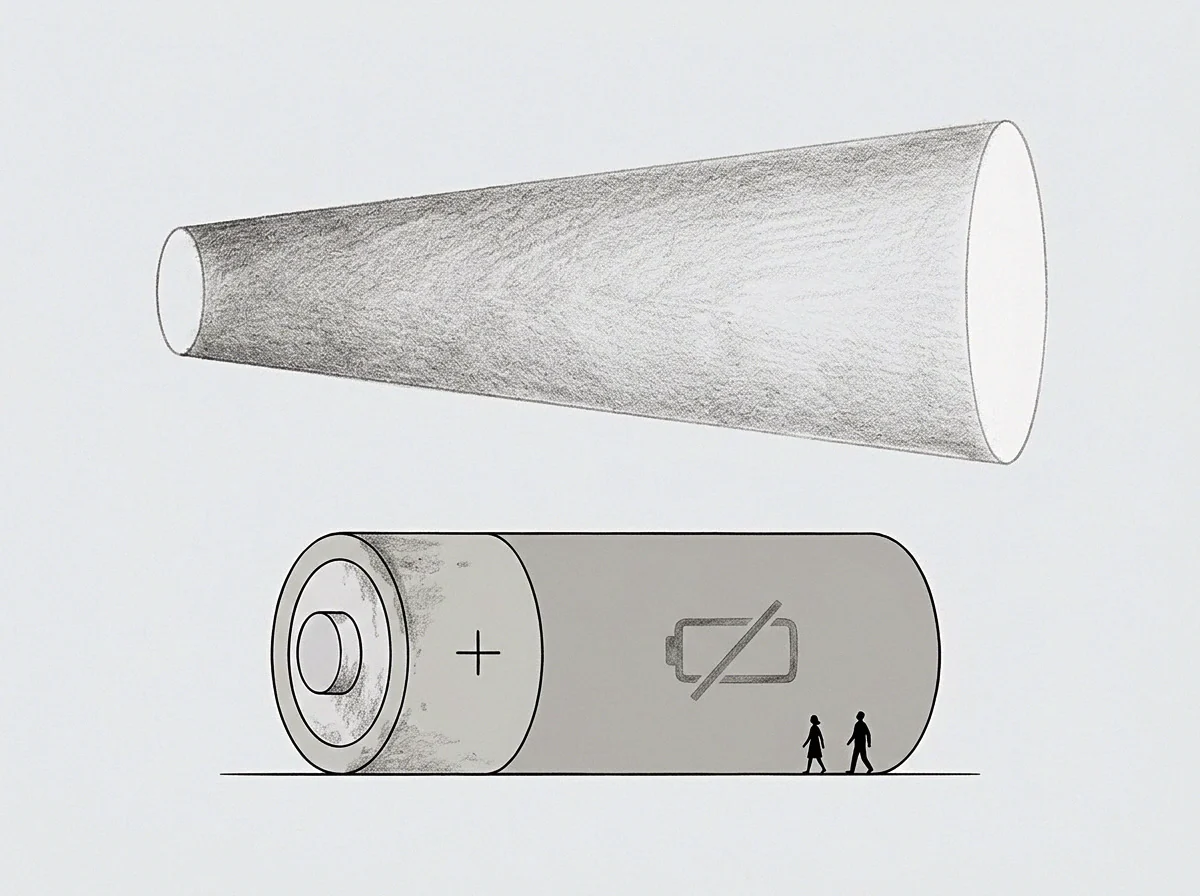
Cognitive resources function as the finite capacity for directing consciousness toward specific data streams while filtering competing noise. Central executive attention manages the allocation of these internal cycles across multiple concurrent tasks. It acts as the primary controller for high-level decision making when environmental requirements exceed habitual responses.
Processing Limit
This mechanism operates under a fixed upper bound of total bandwidth that prevents the simultaneous tracking of unrelated complex signals. The brain forces a sequential bottleneck when central executive attention attempts to stabilize several novel inputs. Reduced performance occurs as the system shifts rapidly between disconnected objects to simulate parallel processing.
Allocation Cost
High loads consume available metabolic energy and diminish the accuracy of secondary tasks requiring inhibition or retrieval from long-term memory. A founder experiences this decline as a gradual decay in situational awareness or a loss of precision in technical judgment. Effective regulation of these cycles requires the deliberate pruning of non-essential inputs to preserve remaining capacity for priority functions.
Operational Boundary
Physiological stress restricts the scope of focus and narrows the window of potential variables available for synthesis. Any prolonged period of high intensity exhaustion diminishes the ability of central executive attention to override automated routines. Consistent overreach of these capacity constraints eventually forces a state of cognitive depletion that stops the progress of analytical work.