

Deriving Capacity Limits From Stated Positions in Early Organizations
Capacity limits derive directly from explicit operational terms that convert human endurance bounds into objective organizational walls.
Capacity limits derive directly from explicit operational terms that convert human endurance bounds into objective organizational walls.
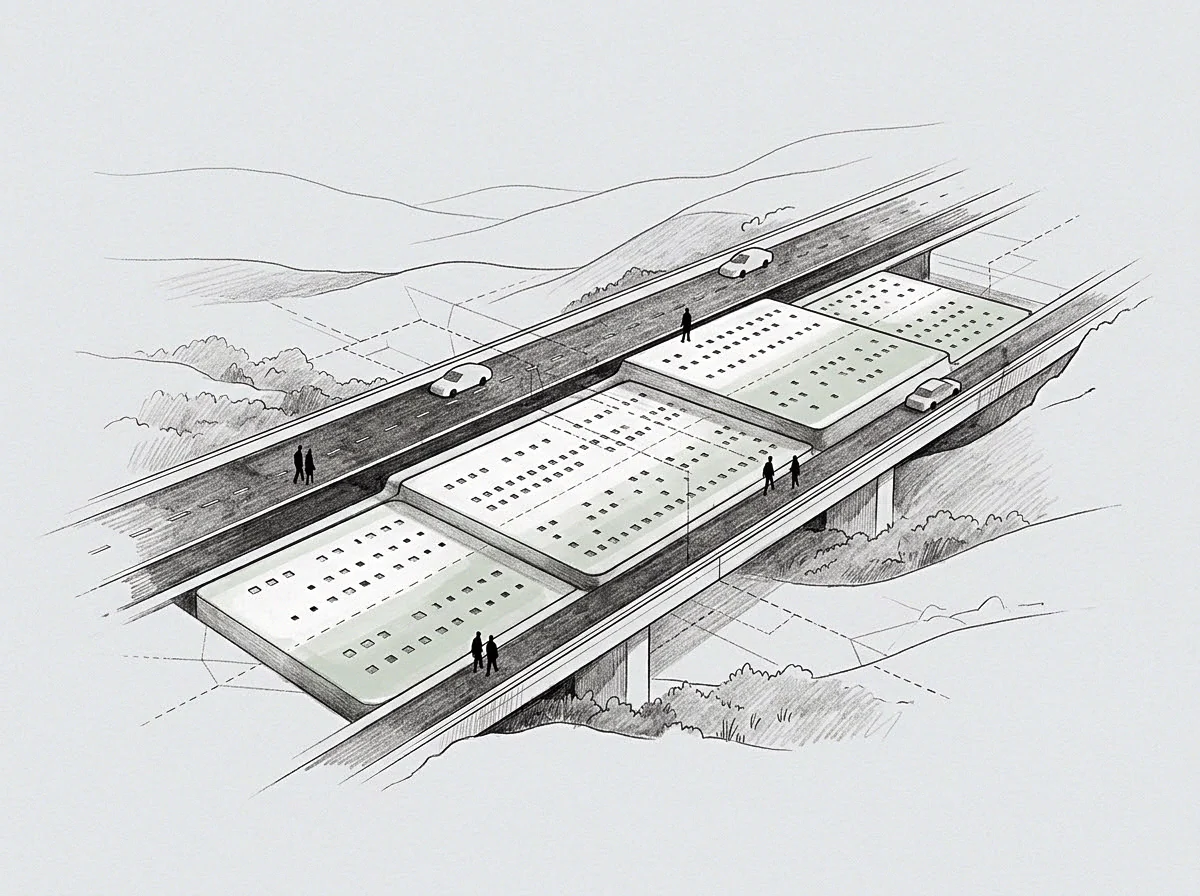
Executive system throttling selectively suppresses high-order cognitive processing to protect vital operational capacity under sustained physiological load.
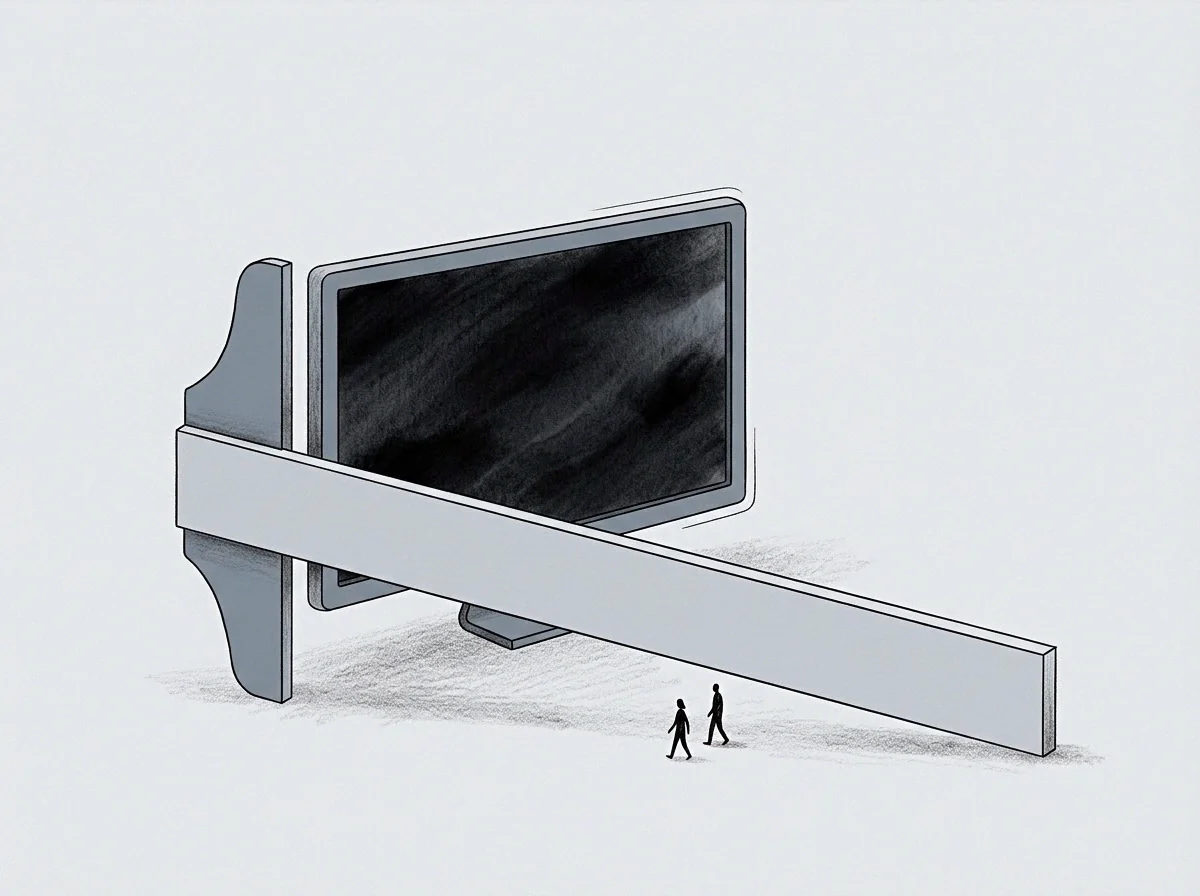
Asynchronous co-founder availability is derived from channel response latency and queue throughput rather than derived from real-time interpersonal interaction.
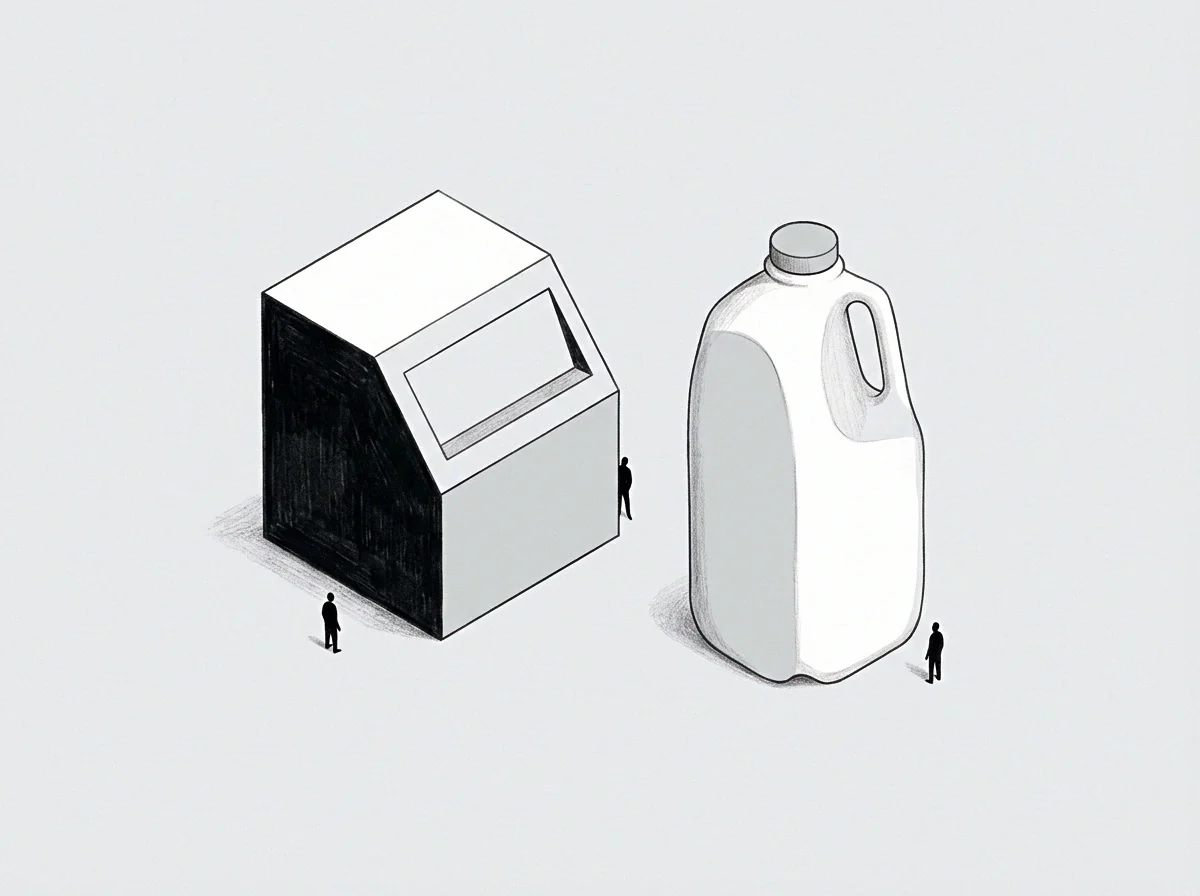
Adrenal downregulation throttles output to protect tissue under sustained allostatic load, while clinical depression reflects systemic affective failure.
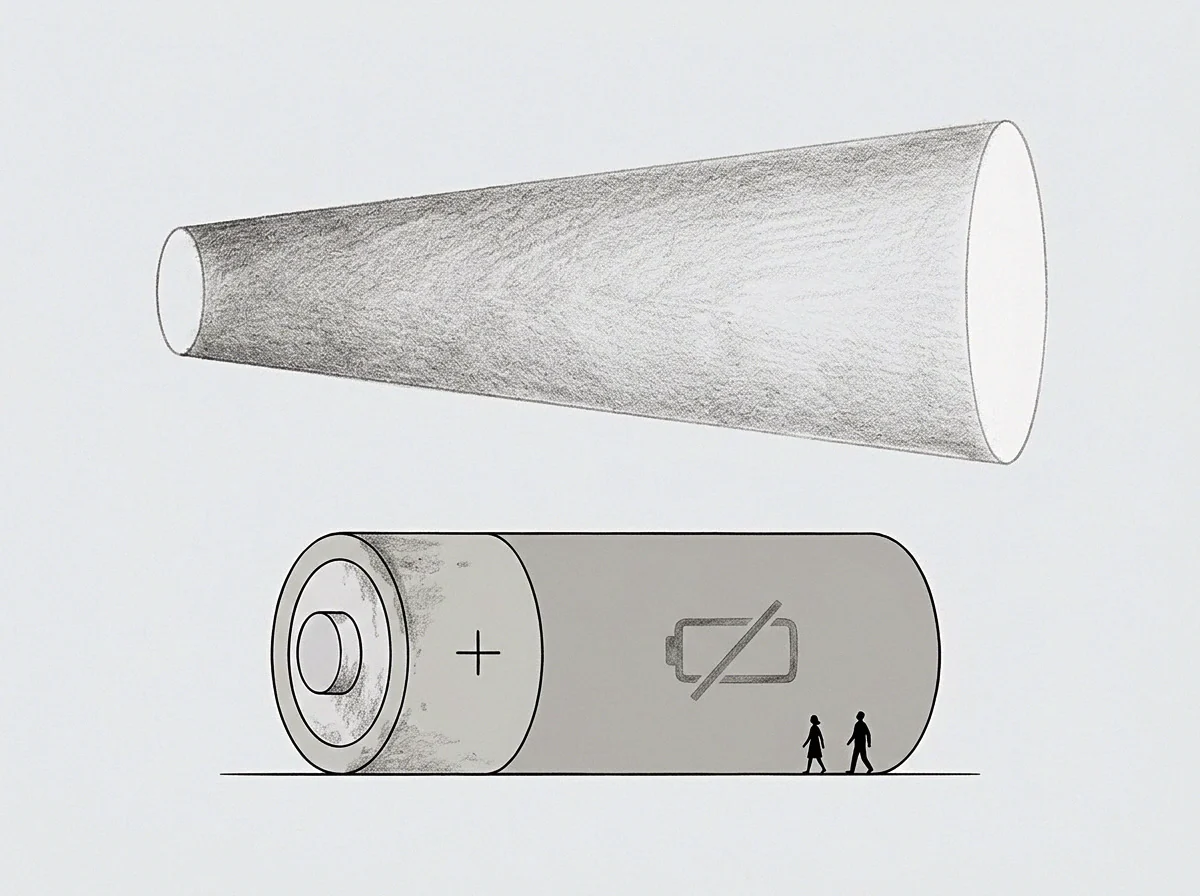
Artificial response latency preserves central executive attention by converting real time triggers into batch tasks during high cognitive load.
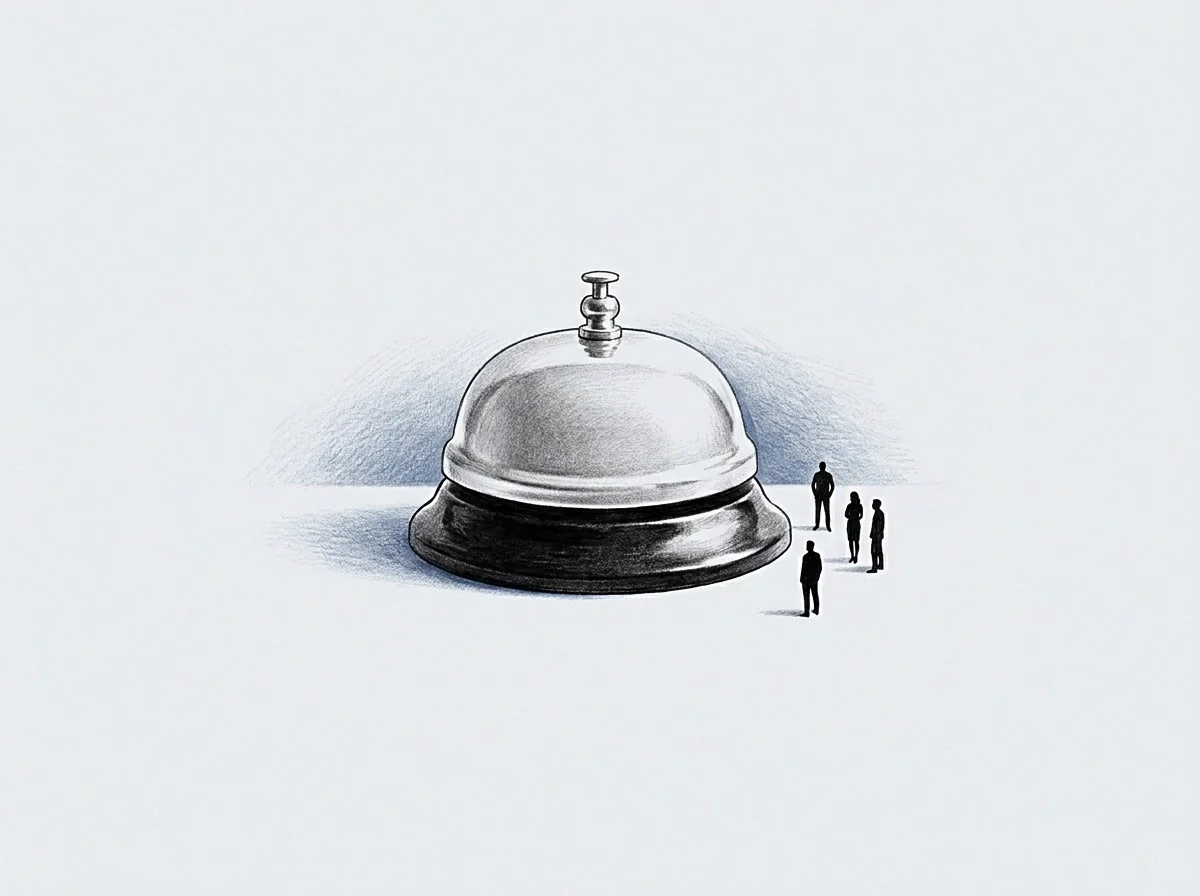
Hard boundaries protect depleted executives by replacing personal refusal with clear unyielding structural terms.
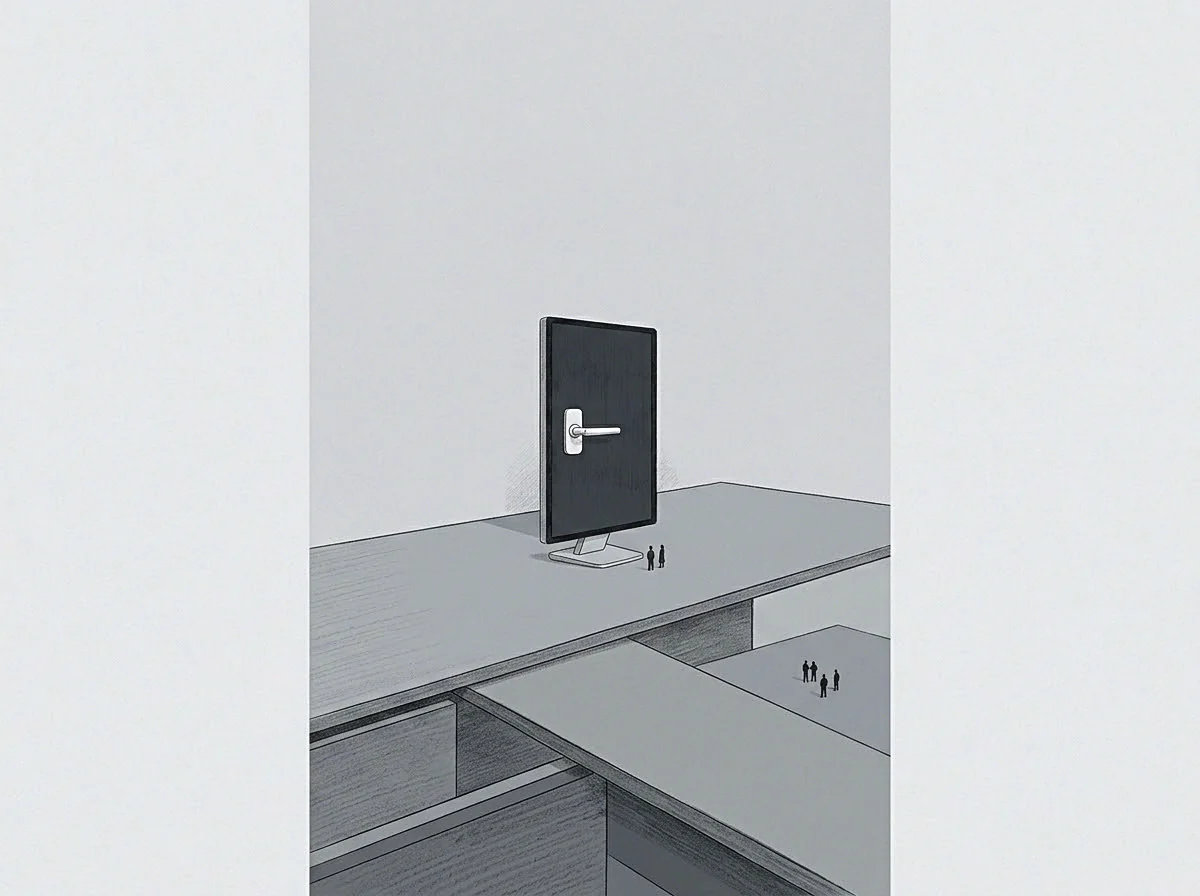
Unstated executive capacity breaches force silent attention rationing, distorting downstream resource allocation across dependent operational teams.
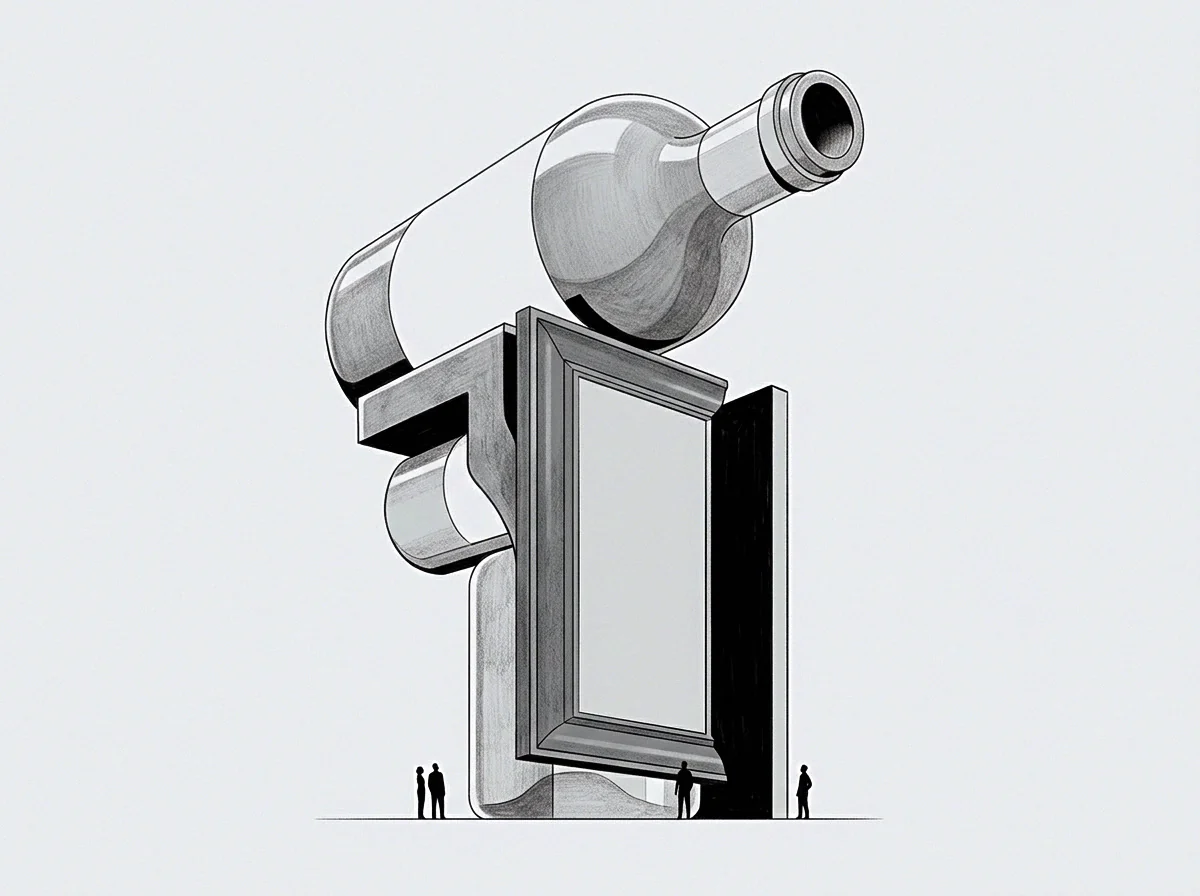
Enterprise decision latency under severe exhaustion measures structural processing lag caused by allostatic depletion, shifting choices toward default outcomes.
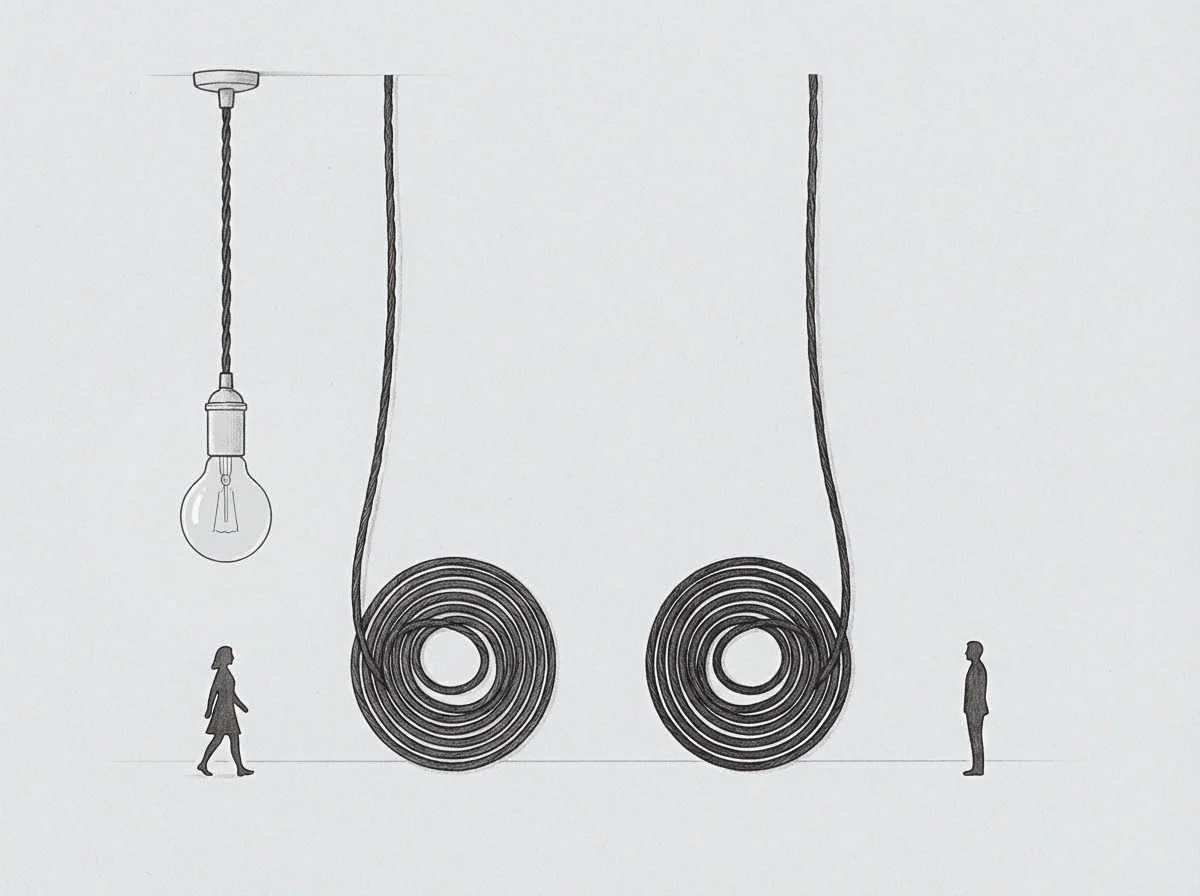
Explicit operational terms prevent systemic load transfer by establishing physical transfer functions before executive floor capacity setpoints are breached.

Chronic physiological saturation degrades prefrontal networks, causing compounding operational delays and strategic errors across dependent business units.
The terms are written where they belong. Each field holds three desks, and every entry a desk writes raises the terms it uses, each term given a meaning, a mechanism and the places it appears. The record on these pages stays first person and hand made; the fields grow the nomenclature.