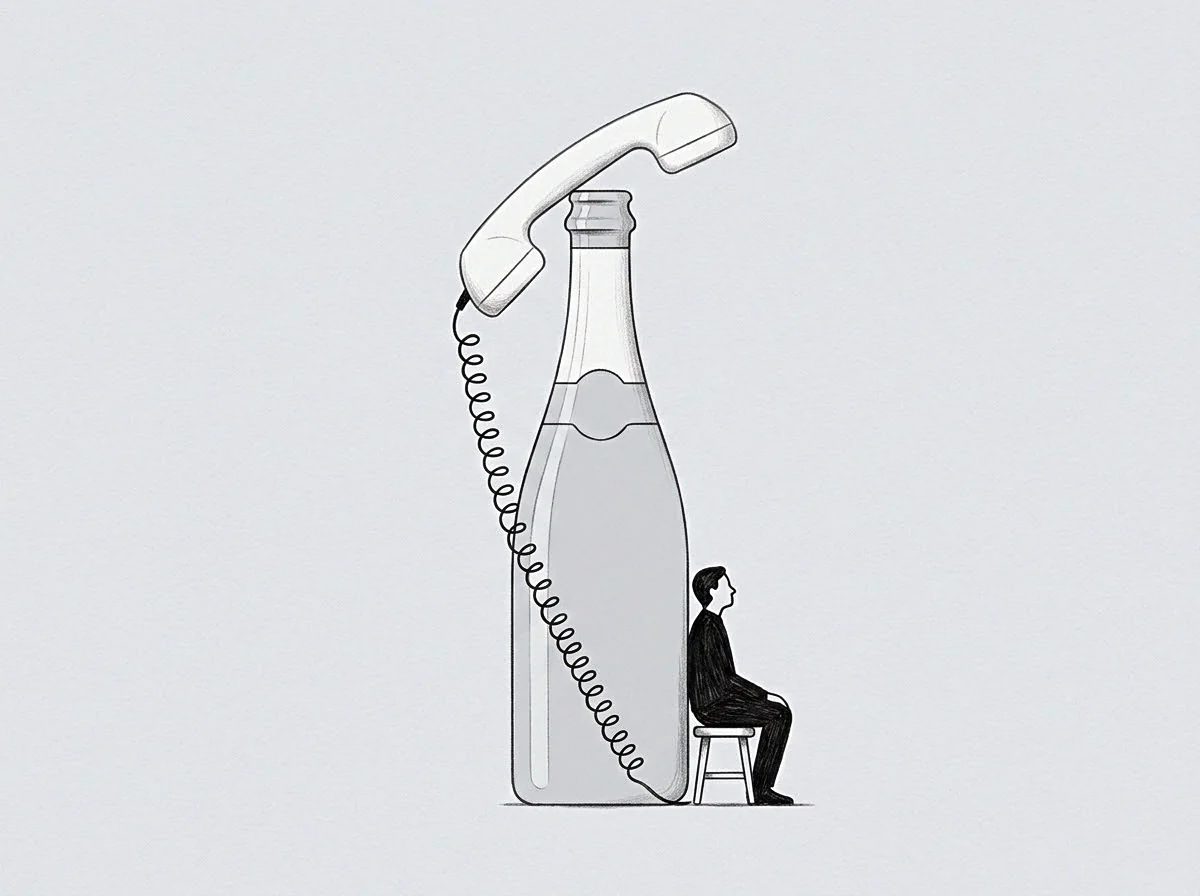
Meaning
The structural and functional decline of neural processing efficiency occurs when the sympathetic nervous system remains in a state of hyper-arousal. Long periods of high-intensity leadership lead to central nervous system wear as the neural pathways become fatigued by constant signal transmission. This degradation reduces the speed of cognitive processing and the accuracy of motor control.
It is the physical substrate of burnout.
Signal Fatigue
Resistance within neural pathways increases as neurotransmitters are depleted by continuous demand. The Signal Fatigue of central nervous system wear results in a slower response to external stimuli. It makes simple decisions feel complex and taxing.
Recovery Deficit
Persistent arousal prevents the brain from entering the deep rest states required for repair. The Recovery Deficit of central nervous system wear means that sleep no longer restores cognitive function to its previous baseline. This lack of repair leads to a compounding loss of capacity over months and years.
Without significant intervention, the system loses the ability to recalibrate to a resting state.
Processing Lag
Information moves more slowly through the brain as the physical structures of the nerves show signs of exhaustion. The Processing Lag of central nervous system wear is observed when an individual struggles to keep up with fast-paced conversations or rapidly changing data. It forces a reliance on old patterns of thought.