Meaning
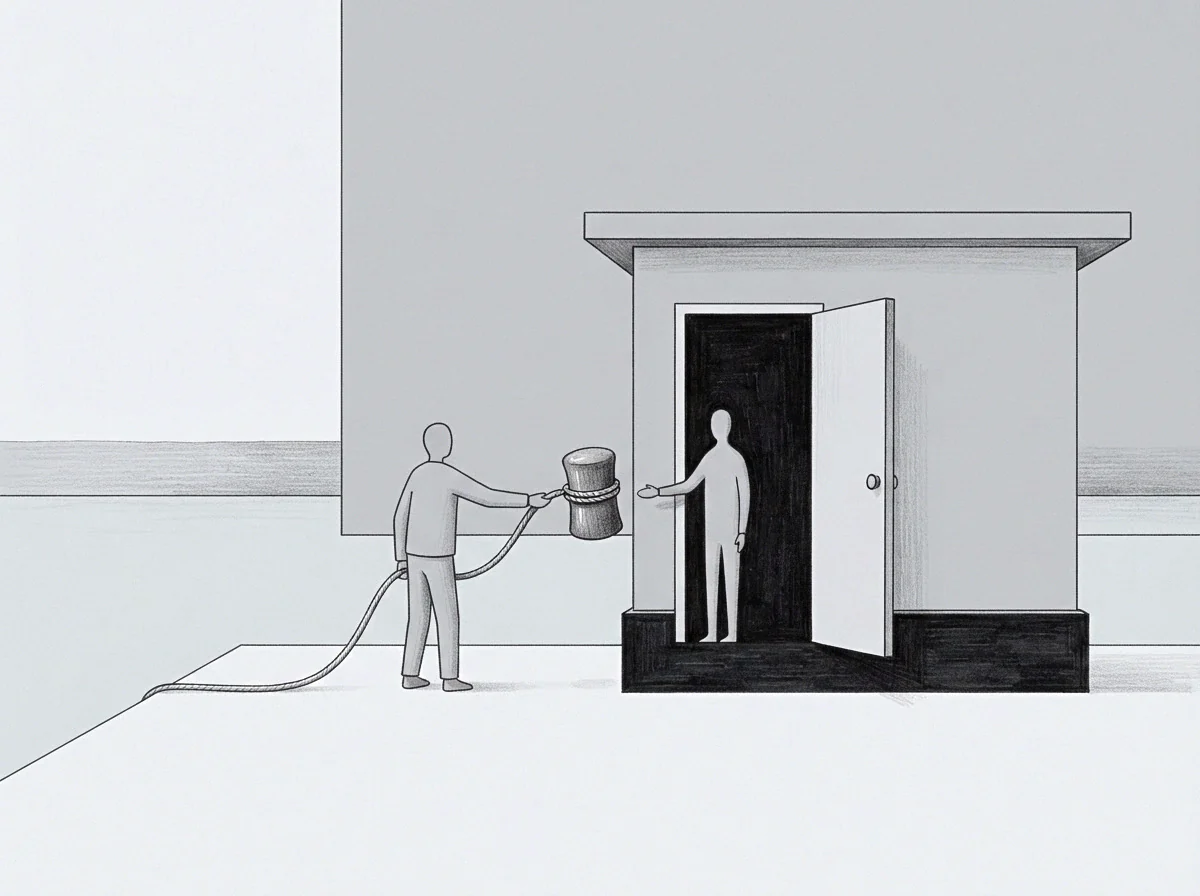
The resilience of brain function against age related or stress induced decline provides a protective buffer during intense operational periods. This buffer, termed cognitive reserve, allows the brain to employ alternative cognitive strategies to complete demanding tasks. It helps an individual maintain high performance despite fatigue or sleep deficit.
Protective Shield
Heavy workloads deplete attention resources long before the physical body gives out. Having a high cognitive reserve enables a leader to navigate high pressure negotiations without succumbing to impulsive decisions. This capacity demands years of diverse learning and mental training to construct.
Regulatory Asset
Mental stamina is built on structured cognitive habits and diverse experiences. Relying on cognitive reserve reduces the physiological cost of prolonged executive functioning, allowing for sustained attention over months of crisis. It limits the accumulation of allostatic load.
Boundary Condition
Critical exhaustion occurs when the brain can no longer compensate for systemic deficits. In cases of chronic sleep deprivation, cognitive reserve fails to prevent the slow down of execution speeds and the rise of processing errors. This degradation of function becomes obvious when simple calculations or risk assessments begin to yield inconsistent results.
The boundary is marked by a sudden and non linear drop in strategic capability.