Meaning
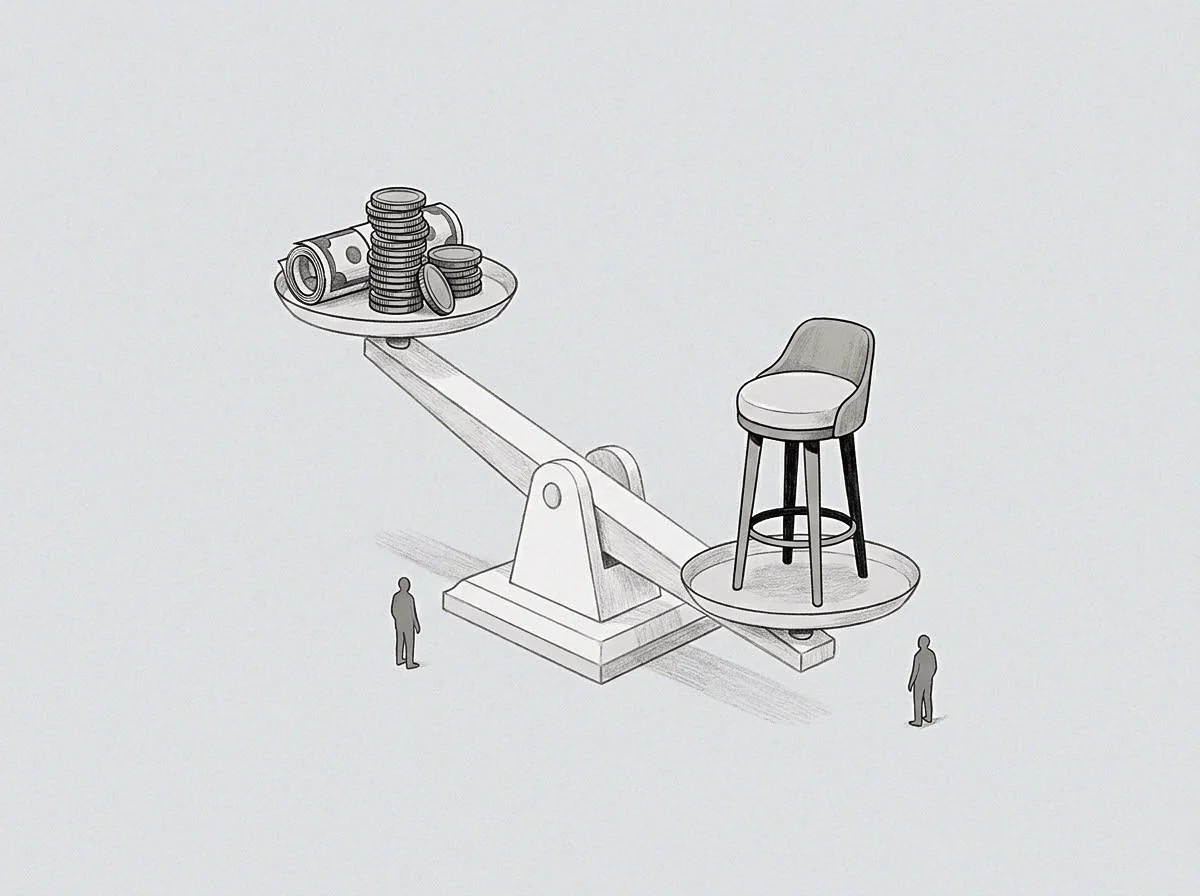
Mental bandwidth consumption occurs when unresolved operational issues remain active in a leader’s conscious awareness. The cognitive slot occupation refers to the portion of executive attention held by passive, unresolved loops rather than active problem-solving. This ongoing demand limits the capacity to process new strategic threats.
Attention Shortage
Ongoing disputes with cofounders or unresolved regulatory filings demand continuous subconscious monitoring and planning. Because the human brain has finite working memory, the cognitive slot occupation of these items restricts the baseline ability to evaluate new commercial partnerships or design product features. The leader experiences a state where simple decisions feel complex because the available working memory is already fully committed to maintaining background vigilance.
Eventually, the lack of free mental capacity leads to missed strategic pivots and delayed product launches.
Performance Barrier
Severe limits on creative thinking emerge when background issues consume available executive attention. Complex problems require open-ended reflection, which cannot happen when every spare moment is filled with worry about unresolved lawsuits or cash-flow crunches. High-level planning simply stops.
Mitigation Plan
Externalizing unresolved worries through structured trackers and delegating secondary tasks can free up executive mental resources. Written protocols and clear governance structures allow the mind to release passive monitoring tasks, thereby reducing the mental space occupied by persistent worries. This process restores the baseline attention needed for long-term planning.