Meaning
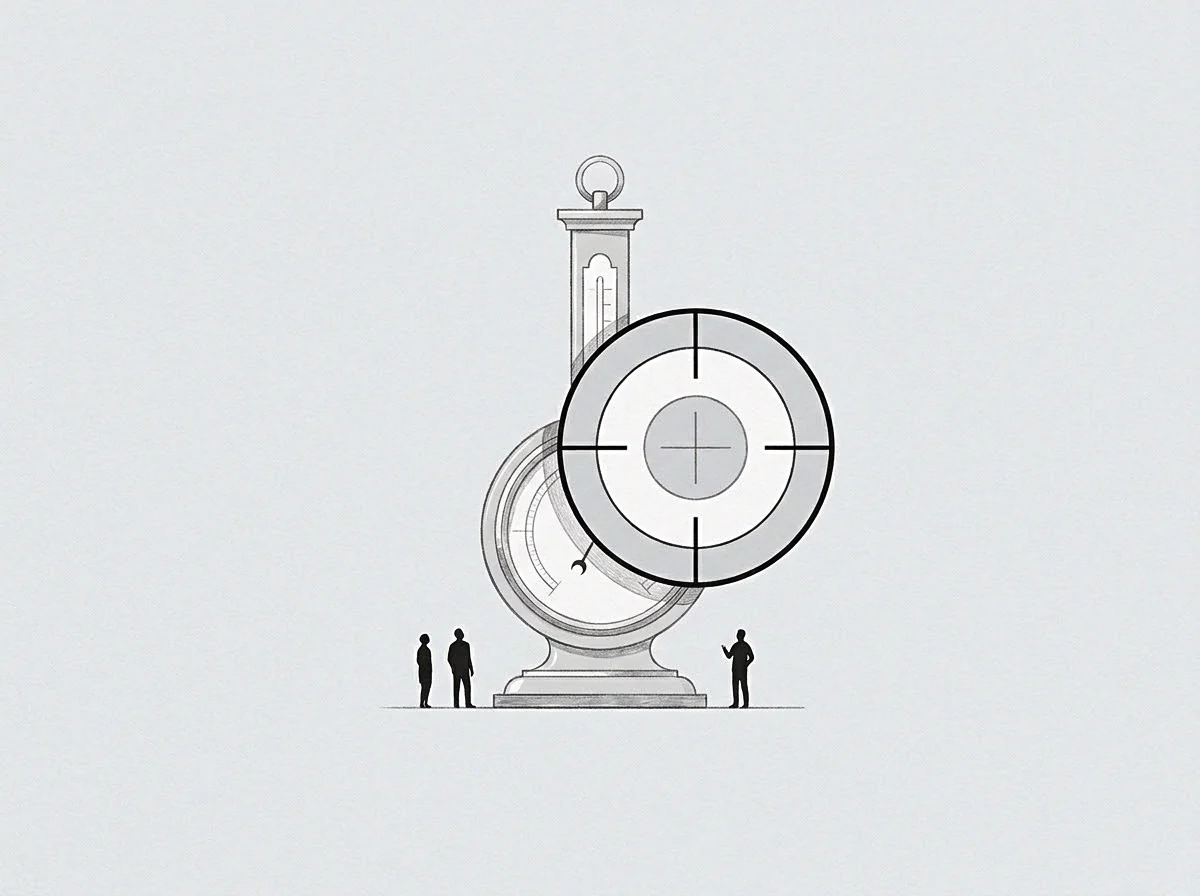
Cognitive limits govern how founders process incoming operating signals before choosing an action. Decision thresholds operate as internal circuit breakers that stop endless deliberation by setting a fixed point where evidence collection ends and commitment begins. This regulatory mechanism protects working memory from overload during high uncertainty.
Such boundaries separate ordinary operational choices from strategic redirection. When founders face compounding demands, these cognitive cutoffs drop lower to conserve remaining mental capacity.
Operational Toll
Mental exhaustion alters where these cognitive limits sit during daily operations. Chronic fatigue pushes boundaries downward, causing premature choices without adequate data. Alternatively, severe stress pushes boundaries upward into endless analysis paralysis.
This shift drains hours from strategic planning into repetitive verification cycles. Energy reserves dictate whether a founder can hold a steady line under pressure.
Systemic Drag
Structural delays appear across the enterprise when cognitive cutoffs drift from optimal positions. Teams wait idly while exhausted leadership rehashes settled matters. This friction compounds across consecutive quarters, lowering organizational throughput.
Founders pay this penalty in lost momentum and degraded coordination among staff.
Capacity Limits
Biological constraints ultimately bound how many high stakes choices any person processes per day. Attention degrades steadily after hours of uninterrupted evaluation. Physiological recovery restores baseline capacity for subsequent evaluation cycles.
No amount of discipline removes this biological ceiling.