
Longitudinal Thresholds Where Accumulated Autonomic Strain Prevents Sustainable Relational Renegotiation Between Founding Partners
Chronic autonomic exhaustion destroys the neural capacity for social engagement, rendering founding partners biologically unable to execute sustainable relational renegotiation.
Ceiling
Two founders sit across a pine table in the fourth month of a liquidity squeeze. The operational queue holds fourteen unresolved hiring authorizations, an overdue debt service notification, and fifty unread messages on product release milestones. One partner speaks in measured tones, organizing technical debt into three priorities.
The second watches the rhythm without absorbing the words, tracking throat muscles and the rigid line of the torso. Every sentence registers as physical pressure against the chest rather than operational data. The conversation has moved past the point where information leads to alignment.
The nervous system measures relational engagement through physiological headroom. Under normal conditions, working alongside a familiar collaborator reduces the metabolic cost of scanning for risk. Social baseline theory indicates that the human brain conserves neural and caloric resources by sharing vigilance across a trusted network.
An accountable peer signals that survival tasks are shared, dampening the sympathetic nervous system and freeing executive function for strategic priorities. This system works only while allostatic load remains below the threshold of physical exhaustion.
Prolonged elevation of autonomic arousal converts an operational partner into a source of biological threat regardless of commercial goodwill.
When chronic stress spans years of capital constraint and execution pressure, the regulatory baseline collapses. The hypothalamic-pituitary-adrenal axis stays engaged, flooding the system with cortisol and catecholamines. The capacity to offer autonomic stability to a partner degrades.
One partner takes on the steady role, masking fatigue to keep lenders and direct reports functional. That person becomes the venture’s biological anchor, extending regulation to the team without an internal way to receive it in return. The venture absorbs the calm while the individual bears the physiological cost.
Allostatic Load and Biological Insolvency
Accumulated allostatic load alters the neural substrate needed to take another’s perspective. Repeated autonomic spikes without recovery degrade parasympathetic tone, marked by diminished vagal brake efficiency and lower heart rate variability. Executive centers in the ventromedial prefrontal cortex cede control to the amygdaloid complex.
In this state, ambiguous cues read as immediate threats. A request to revisit equity splits or reallocate executive duties feels like an existential attack to an organism with zero remaining biological margin.
Years of unaddressed structural overload create physiological insolvency long before formal grievances land on legal paper. The partner who supplied unacknowledged stability reaches a metabolic wall where the energy cost of listening exceeds what the body can supply. Fragmented sleep compounds the deficit, cutting short the slow-wave cycles needed for emotional recalibration.
Partners may still schedule offsite retreats and executive coaching to align equity terms, but these attempts fail when renegotiation requires reciprocal autonomic safety, a capacity drained to zero over thirty-six consecutive months of organizational peril.
Founders operating past their autonomic limit interpret commercial compromise as physical destruction, so structured attempts to revise agreements often produce deeper paralysis.
Drain
The depletion of autonomic reserves moves unevenly through executive partnerships. One partner routinely absorbs systemic volatility, keeping an even baseline during investor friction and operational failures. Team members and board members mistake that stability for endless capacity, sending more ambiguity straight to that desk.
The steady partner internalizes the demand, relying on an internal model that links safety to complete self-containment. Relying on someone else for regulation feels like operational vulnerability, leaving that partner to act as a heat sink for the entire organization.
Borrowed regulation operates invisibly. When junior executives and co-founders interact with a steady leader, their own autonomic arousal drops, allowing them to think clearly, execute tasks, and rest. They attribute their performance to personal grit or strategic clarity, unaware that their balance draws on the metabolic reserve of the person across the table.
The partner offering that stability bears the biological cost through suppressed immune markers, elevated resting blood pressure, and systemic neuroendocrine exhaustion.
Does Prolonged Depletion Invalidate Formal Negotiation?
Interpersonal negotiation requires active neural processing of vocal tone, micro-expressions, and context. When chronic strain crosses a critical threshold, the polyvagal social engagement system disconnects. The ventral vagal complex yields control to the dorsal vagal system—causing biological immobilization—or to the sympathetic motor circuit, triggering defensive posturing.
A partner frozen in dorsal immobilization cannot engage in creative legal restructuring; the physiological capacity needed to build new corporate arrangements has shut down to protect basic somatic stability.
- Ventral Vagal Dissociation occurs when parasympathetic pathways fail to slow cardiac acceleration, turning neutral questions into perceived indictments that derail commercial alignment.
- Cognitive Channel Narrowing restricts perception to immediate defense, stripping away the mental capacity to evaluate long-term corporate upside or deferred payouts.
- Somatic Reflexive Spikes present as muscle tension, vocal constriction, and shallow breathing during routine reviews of capitalization schedules.
- Allostatic Shutdown cuts off cognitive empathy, turning a once-cooperative partnership into a defensive standoff focused entirely on self-protection.
A nervous system running on reserves treats proposed operational agreements as unpayable somatic burdens.
Unaddressed depletion shows up clearly in daily operations. The unbuffered founder watches the steady partner disengage, taking silence for manipulative withdrawal or obstinacy. In reality, the steady partner lacks the physical energy to speak through a constricted laryngeal tract.
The partnership fractures less from disputes over milestones than from the metabolic deficit built up over years of asymmetrical biological support.
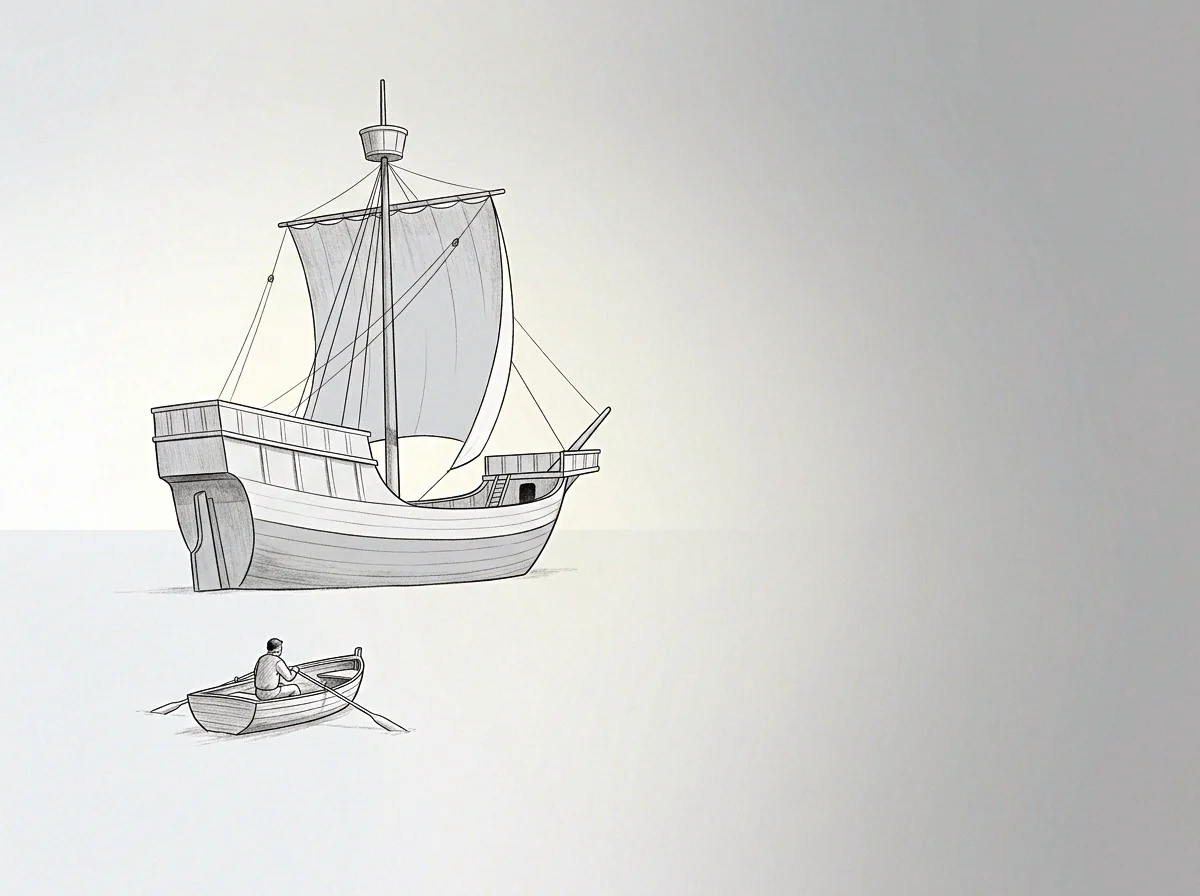
The enterprise would remain manageable if a single seat held its structural promises.
Table
Revising contracts requires real structural constraints to protect depleted physiology. Founders often try to renegotiate roles while keeping their usual operational pace, assuming goodwill can bridge systemic gaps. Goodwill evaporates quickly under physiological strain.
Containing that strain requires firm operational boundaries, documented shifts in authority, and strict adherence to communication blackouts.
Relational repair succeeds only when operational exposure drops below the threshold needed for biological recovery. The body requires complete operational disconnection to re-establish vagal tone and restore prefrontal neuroplasticity. Negotiating amid active chaos produces fragile compromises that break under the next commercial shock.
The company’s infrastructure must absorb operational volatility so individuals can regain baseline stability.
| Operational Posture | Vagal State | Executive Capacity | Negotiation Viability | Systemic Durability |
|---|---|---|---|---|
| Unilateral Load Absorption | Sympathetic Hyperarousal | Narrowed to Immediate Threat Defense | Hostile Defensiveness or Stonewalling | Rapid Institutional Collapse |
| Informal Emotional Appeasement | Fluctuating Dorsal Immobility | Intermittent Executive Function | Unenforceable Verbal Concessions | Cyclical Recurrent Crisis |
| Stated Operational Limits | Regulated Ventral Recovery | Restored Long-Range Horizon | Sustainable Structural Realignment | High Institutional Longevity |
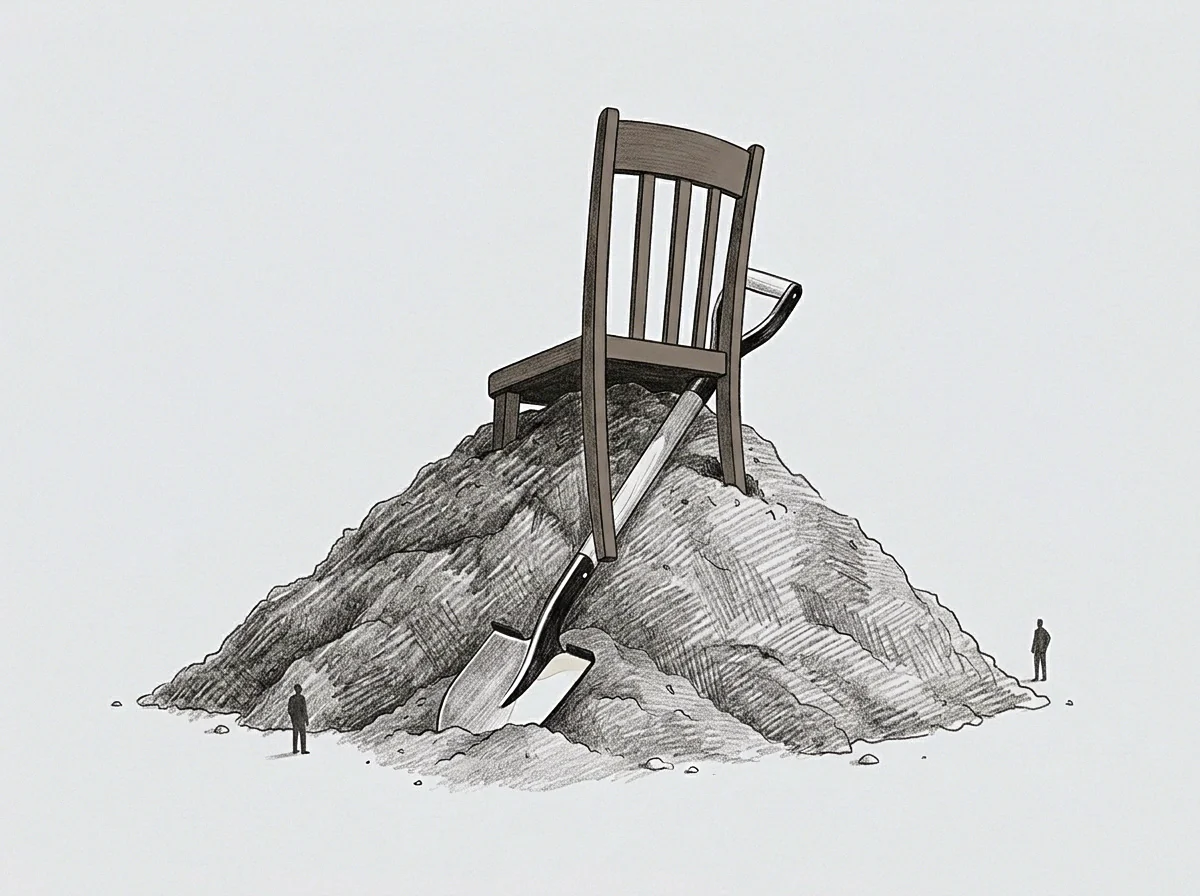
Operational Boundaries as Somatic Shelters
Setting operational limits changes the work environment immediately. Founders need to swap constant availability for structured, asynchronous communication. When alerts hit an exhausted nervous system during sleep windows, deep recovery becomes impossible.
The autonomic system stays primed for crisis, blocking the physiological repairs that restore cognitive balance. Keeping communication tools out of sleeping quarters creates a necessary somatic shelter.
Restructuring legal covenants acts as a direct physical intervention. Matching daily duties to current autonomic capacity gives depleted executives space to rebuild internal reserves. Moving an operational officer into an advisory role—supported by clear milestones and defined equity vesting—removes the constant strain driving relational collapse.
Renegotiation cannot move forward while that stress remains built into the daily calendar.
A formal board resolution creating non-negotiable blackout periods and binding governance firewalls shifts systemic tension off human tissue and onto corporate protocol.
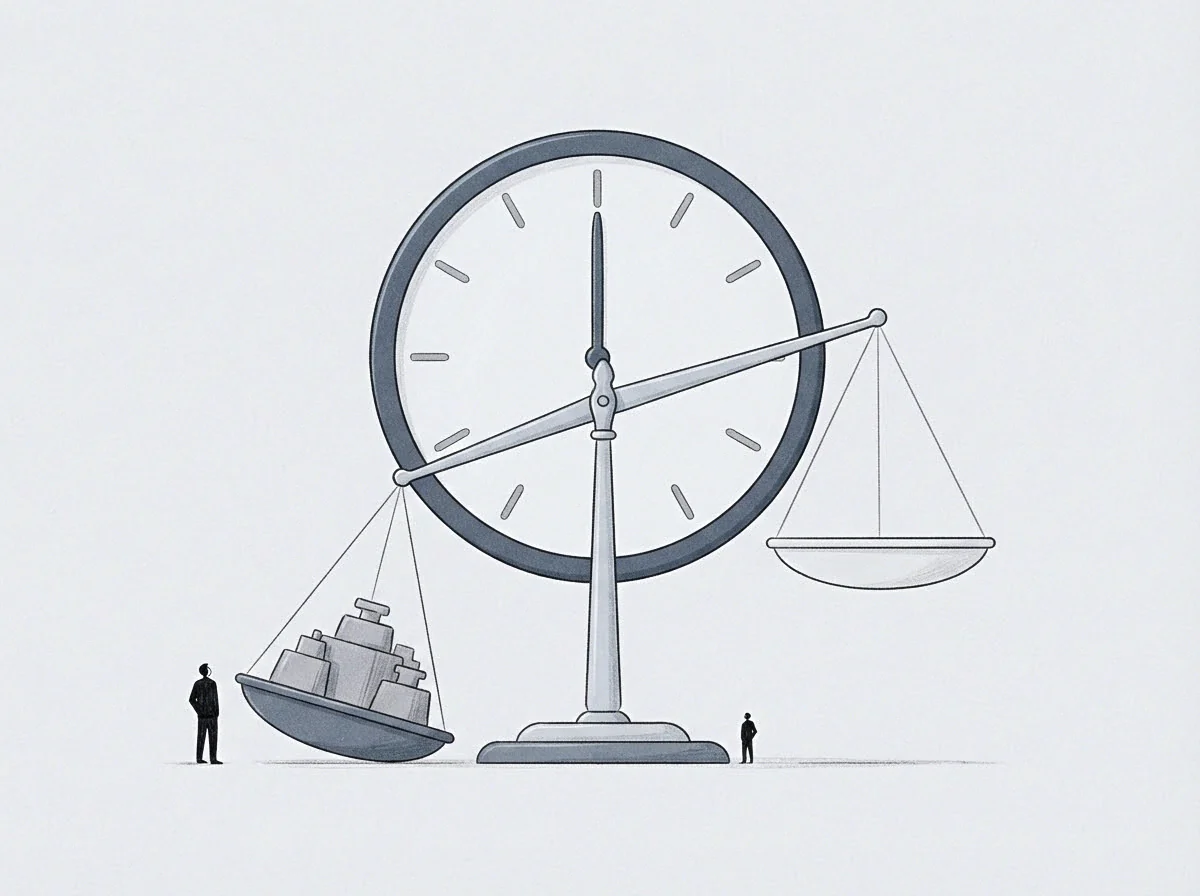
Lock
Prolonged physiological depletion builds deep neural patterns that resist cognitive insight. An exhausted executive can recite every principle of communication while remaining unable to apply them under stress. The autonomic system favors familiar survival habits over new behavioral advice.
Intellectual insight recognizes the trap without dismantling it. Real recalibration requires repeated physical proof of reliability that contradicts the expectation of carrying the burden alone.
Partnerships lock up when neither founder can access earned security. Security builds through steady encounters where vulnerability brings reliable support rather than exploitation or abandonment. A founder conditioned to suppress emotion cannot suddenly accept regulation from a partner.
Offers of operational help trigger suspicion instead of relief, reading as an implicit threat to control or competence.
A new behavioral pattern grows through repeated physical safety rather than intellectual analysis of commercial structures.
The trajectory over time separates resilient partnerships from biological casualties. In healthy collaborations, the balance between mutual co-regulation and single-handed effort shifts with operational demands. During fundraising or regulatory pressure, one partner carries more of the burden.
Once the crisis passes, the work redistributes, letting the burdened partner decompress. In unbalanced configurations, the load transfer stays one-sided, burning out the foundation until the structure snaps.
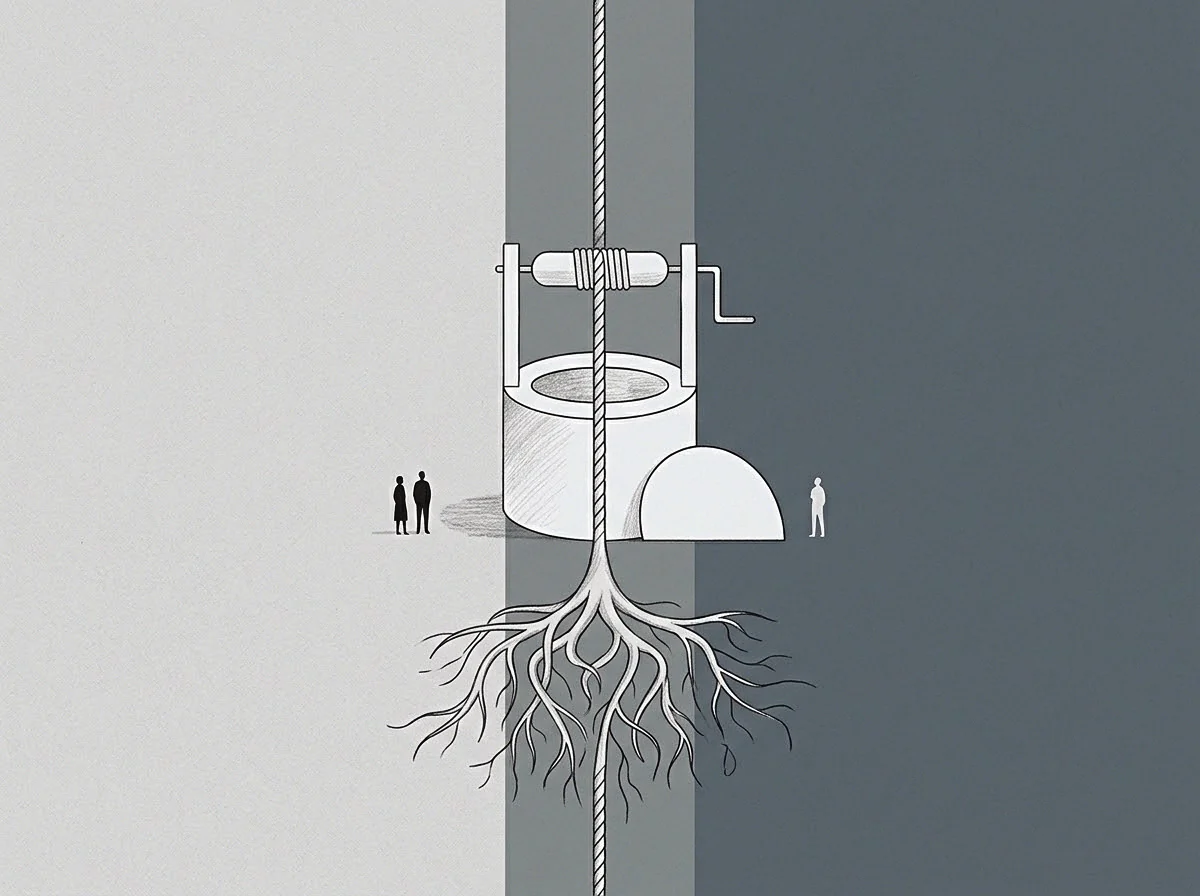
The Disconnection of Interpersonal Attunement
Neural mirroring degrades under continuous sympathetic arousal. Tracking another person’s biological state accurately depends on functioning mirror neurons and active insular pathways. As chronic exhaustion drains neural resources, insular sensitivity drops.
A partner misinterprets an exhausted sigh as passive-aggressive contempt and responds defensively, accelerating perceived threat and locking both into isolation.
Physical pacing must come before strategic alignment. Partners need to recognize somatic markers before starting hard conversations about capital, title, or governance. Rapid breathing, vocal constriction, and dilated pupils signal that the nervous system has left social engagement mode.
Pushing through debate while either partner is biologically defended damages the relationship. The interaction must pause for biological recovery, resuming only when ventral vagal regulation restores executive control.
Whether two founders who have crossed their autonomic thresholds can untangle their commercial identity from past visceral pain remains an open question in organizational practice.

Delta
Rebuilding a damaged executive partnership requires physical presence in simple, low-stakes environments. Words alone cannot repair a fracture rooted in biological exhaustion. Founders need to accumulate ordinary interactions that carry zero commercial stakes.
Sharing meals without pulling up financial reports, walking together without debating governance, and spending time in shared space without an agenda helps re-educate the autonomic system. Over time, the brain resets its social baseline, learning that proximity does not signal immediate danger.
Recovery takes time measured in quarters rather than days. Healing from multi-year allostatic exhaustion is slow. Adrenal receptors need months to reset, sleep patterns require extended routine to normalize, and neural networks need unstructured time to restore clear thinking.
Rushing renegotiations triggers a return to defensive habits. The enterprise must rely on clear operational protocols while executive leadership completes physiological repair.
When legal renegotiations occur, they must reflect the physical limits of the people involved. Agreements built on assumptions of endless endurance eventually fail. Durable contracts set clear operational limits, define escalation paths that bypass personal deadlocks, and build in leaves of absence when stress markers exceed preset thresholds.
The corporate structure has to support human viability instead of consuming it.
A founder who feels their pulse racing before opening an email from a partner is already calculating an exit from a room that has run out of biological air.