Meaning
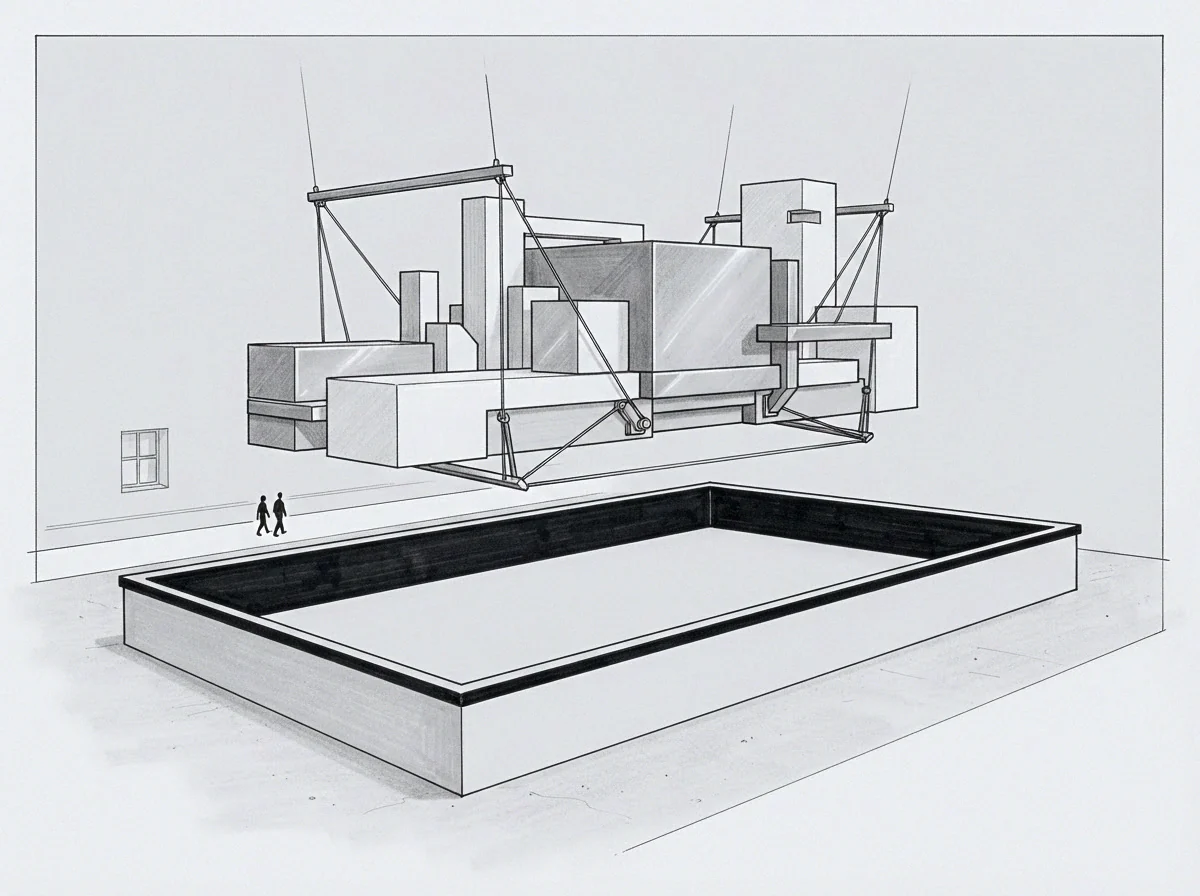
Systemic slowdowns occurring downstream of sustained operational overload mark the transition from efficient execution to compromised capacity. The state of degraded throughput reflects a measurable reduction in decision speed and cognitive output caused by accumulated fatigue and resource exhaustion. Within post-founding operations, this condition signals that key personnel are operating beyond homeostatic limits, resulting in delayed approvals and frequent errors.
The concept stops applying when operational demands are restructured or scaled back to match available physical capacity.
Performance Loss
Prolonged cognitive strain reduces analytical precision and slows execution across all operational domains. Experiencing degraded throughput means that tasks requiring high focus take twice as long to complete with lower baseline quality. Ignoring these warning signs forces teams into reactive modes where managing mistakes consumes more energy than original execution.
Efficiency drops rapidly.
Bottleneck Effect
Executive congestion slows organizational response times during critical commercial opportunities. When key leaders experience degraded throughput, pending authorizations pile up and create operational paralysis across subordinate departments. Delegation becomes necessary to clear accumulated work and restore flow.
Output Decline
Chronic output drops indicate structural overload that individual effort cannot overcome. Tracking degraded throughput provides objective evidence that working hours must be capped and resources reallocated. Recovery requires immediate reduction in operational load.