Meaning
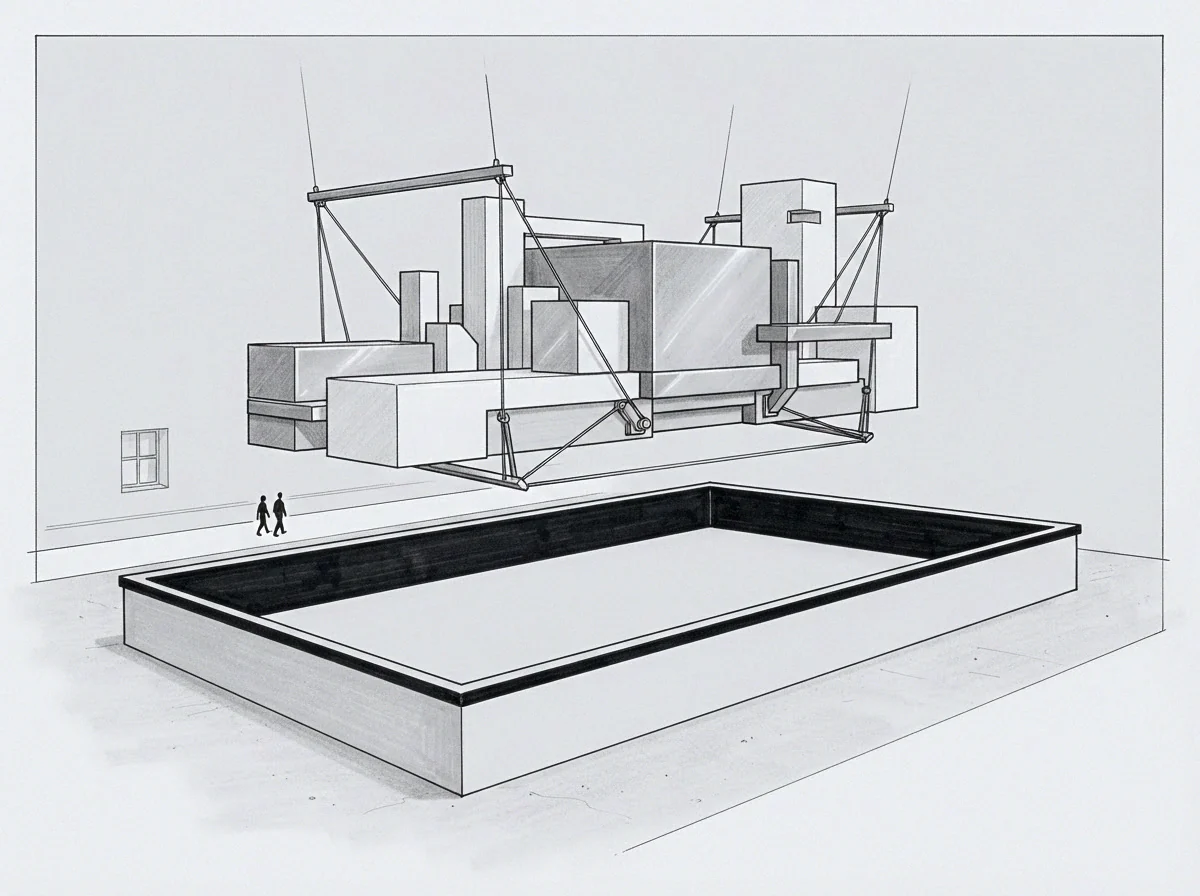
Maximum capacity thresholds represent the upper structural boundary of performance achievable under fixed resource constraints. A ceiling establishes the absolute limit on operational output or attention span that an individual or system can sustain without structural damage. Within post-founding governance, this boundary prevents excessive commitment by capping the volume of simultaneous initiatives assigned to key personnel.
The restriction stops applying when additional operational infrastructure or delegated management layers absorb the excess load.
Upper Limit
Fixed capacity boundaries protect human capital from endless expansion demands. Operating at the structural ceiling leaves zero buffer for unforeseen crises or emergency decisions, leading directly to cognitive overload and degraded judgment. Enforcing strict upper limits ensures that focus remains concentrated on high-value strategic objectives rather than scattered across minor operational tasks.
Overhead demands limit output.
Capacity Cap
Defining maximal operational parameters prevents the systemic degradation caused by continuous peak effort. When workload reaches the established ceiling, new tasks must be rejected or existing projects paused before additional obligations are accepted. Clear operational caps create realistic expectations for investors and internal teams alike.
Threshold Guard
Structural guardrails prevent individuals from overextending their personal energy reserves. The ceiling acts as a firm boundary that halts growth when management bandwidth reaches saturation. Long-term endurance requires staying below maximum capacity.