Meaning
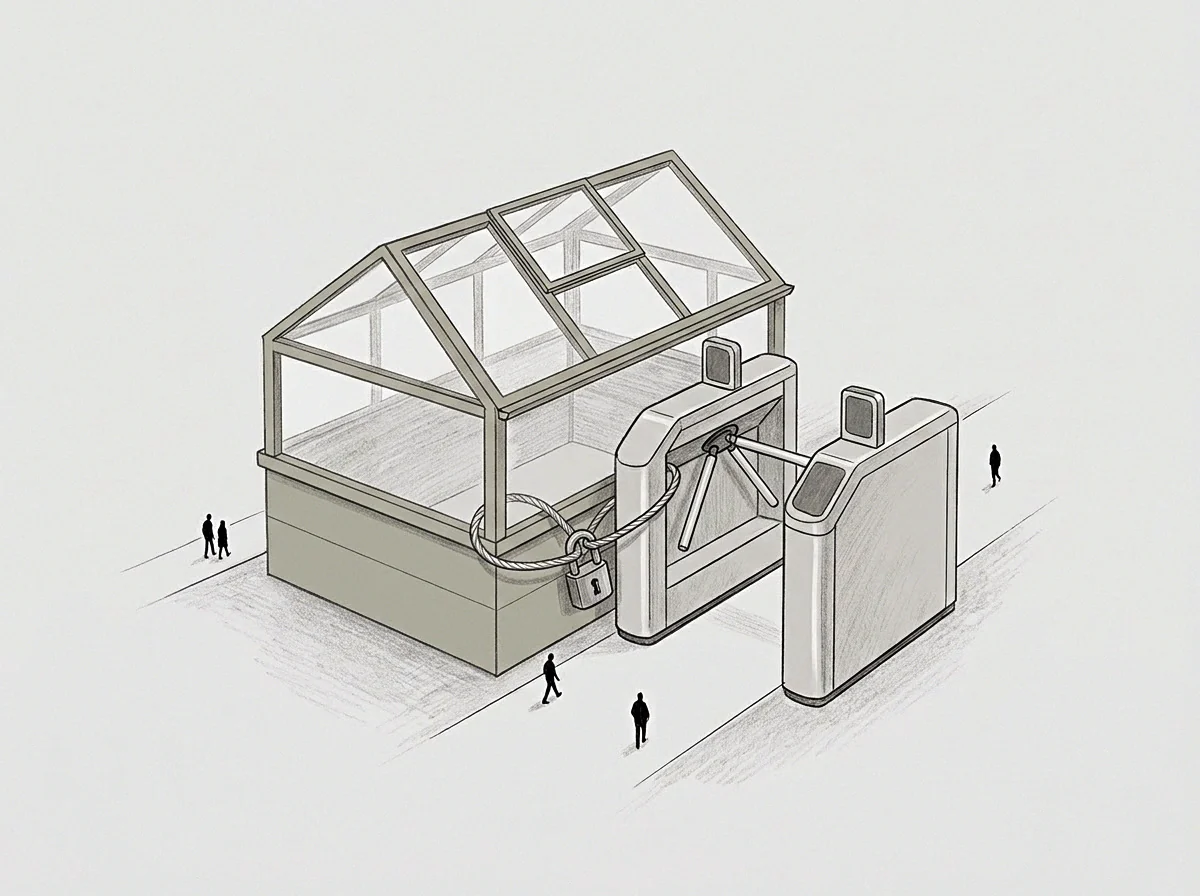
An operational threshold occurs when the volume of decision points exceeds the cognitive capacity of a single leader. At this stage, founders encounter the delegation wall, which marks the point where direct oversight becomes impossible without severe administrative failure. Reorganization requires a shift from personal supervision to distributed governance, forcing the establishment of middle management.
Cognitive Limit
The ceiling of individual attention governs the timing of this operational pivot. When a business expands, the number of communication channels increases exponentially, draining hours and attention from strategic tasks. Founders who resist this shift experience a decline in decision quality, which eventually slows down the entire organization.
Structural Cost
Distributing authority to others demands a measured investment in process design and coordination. Stating the delegation wall as a design constraint helps the organization to build protocols that replace individual intuition with clear rules. Such protocols consume administrative capacity but prevent the failures that occur when a single person tries to approve every action.
When these systems are absent, the administrative cost rises as errors multiply, requiring constant intervention that further drains leadership energy.
Strategic Pivot
A successful transition requires the designer to step back from daily execution. The founder must shift to defining outcomes rather than prescribing methods. When this shift is executed properly, the organization gains the ability to grow independently of its creator’s physical presence.