Meaning
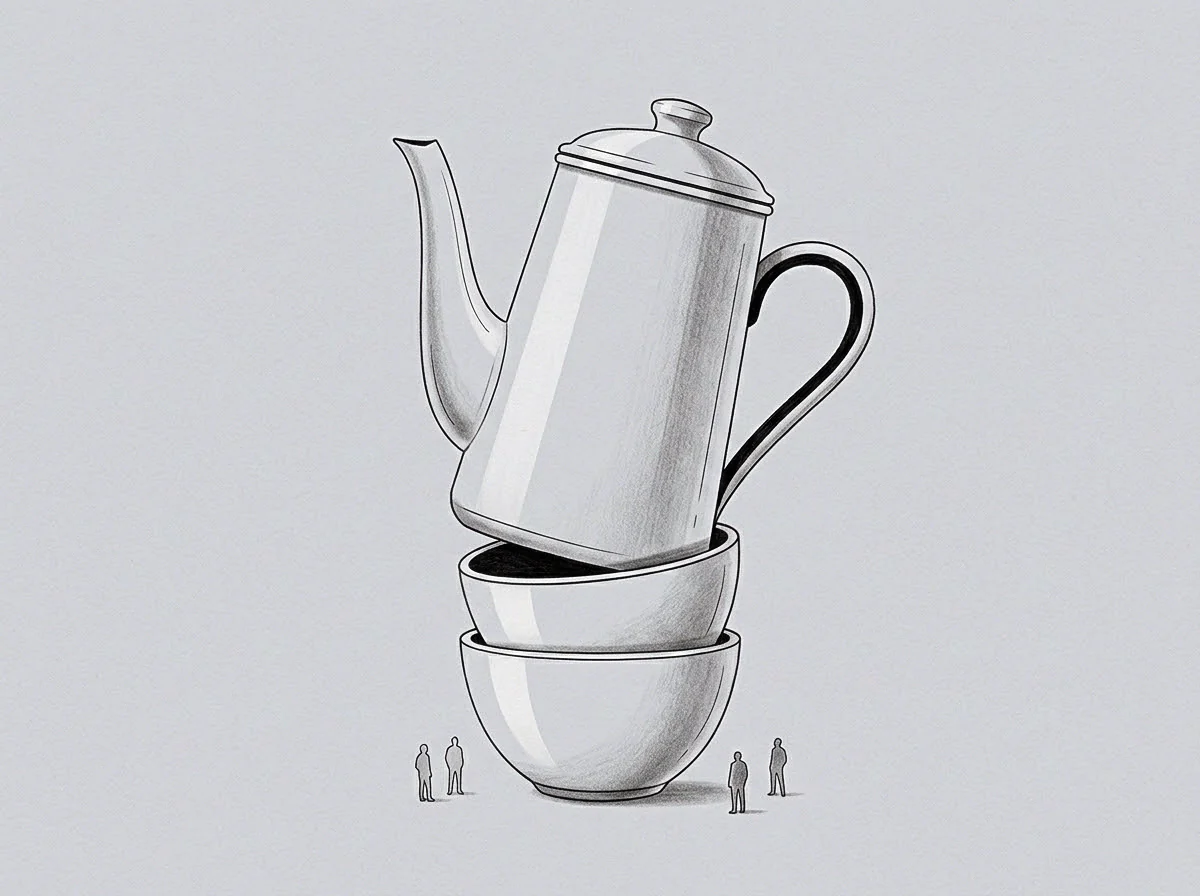
Algorithmic workload reduction protocols drop incoming tasks based on rigid priority hierarchies whenever total demand crosses verified processing thresholds. The practice of deterministic shedding eliminates the cognitive overhead of real-time prioritization under extreme stress by establishing programmatic rules that discard secondary duties automatically. It governs operational load and measures capacity preservation, stopping entirely at core statutory obligations that threaten enterprise solvency if skipped.
Discard Logic
When concurrent tasks exceed safe operating capacity, the system begins dropping lower-tier activities according to pre-set parameters. Through deterministic shedding, non-critical meetings, optional reviews and discretionary updates vanish instantly without discretionary deliberation. The operator expends no attention debating which obligation to drop while the crisis is unfolding.
Dropped tasks trigger clear, uniform status notices to relevant originators. Upstream actors adapt their expectations based on clear rules. Critical paths retain full computational capacity.
Capacity Insulation
Subjecting a human executive to sustained overload causes degraded judgment, error propagation and eventual systemic exhaustion. Enforcing deterministic shedding sets a physical ceiling on daily operational expenditure. The founder works only on pre-cleared, survival-critical functions during extreme spikes, conserving limited biological reserves.
Cognitive wear stays proportional to high-order outcomes. Exhaustion from triaging secondary issues is eliminated.
Shedding Blindness
Chronic reliance on mechanical task dropping can systematically obscure silent deterioration across non-critical functional units. If deterministic shedding discards early symptoms of employee turnover or cultural attrition because they sit in low-priority tiers, small faults compound into major organizational disruptions. Mitigating this blind spot requires scheduled threshold updates and systematic recovery post-crisis.
Mechanical shedding saves systems during emergencies. Extended application starves foundational processes of essential care.