Meaning
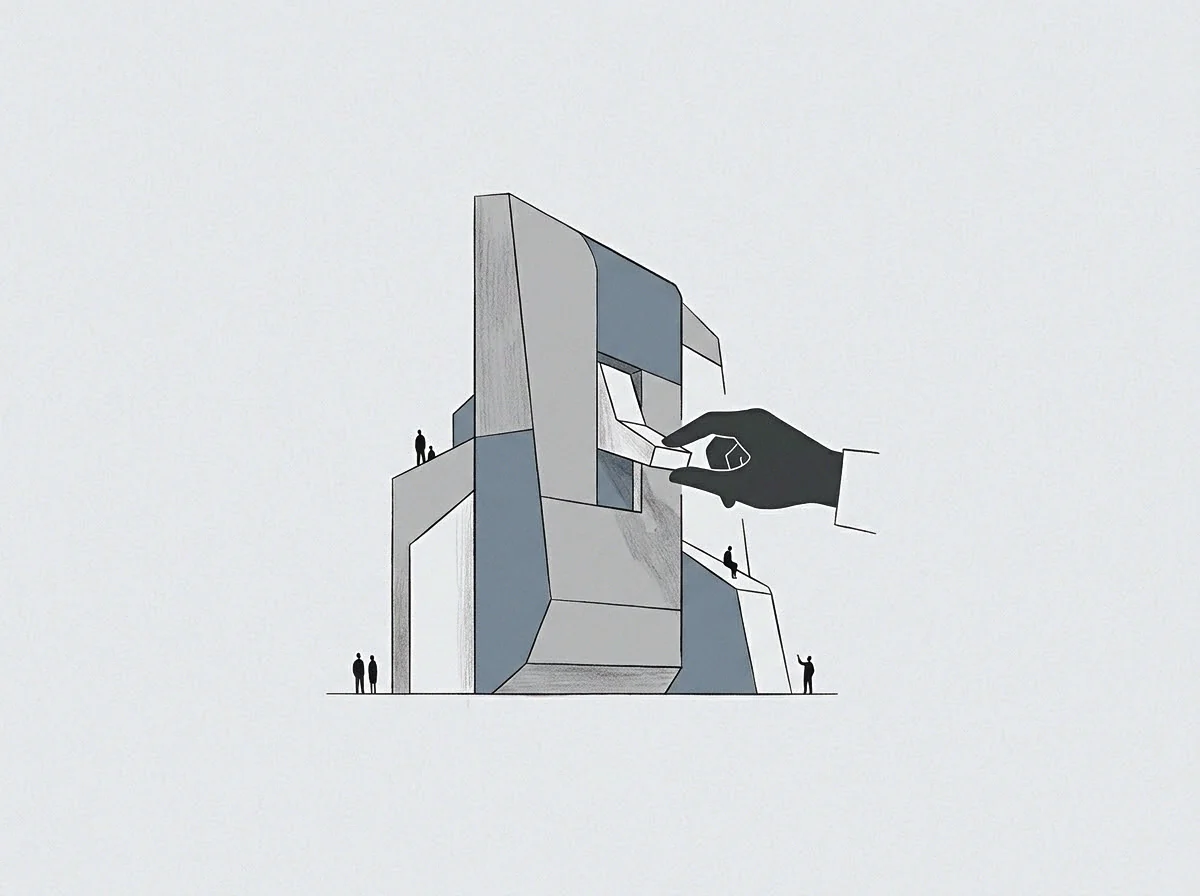
The progressive loss of authority in operational instructions issued by a founder is directive decay. This phenomenon erodes adherence speed within a growing enterprise as layers of management interpose their own interpretations between the origin of an order and its execution. Operational latency expands proportionally with organizational depth, consuming mental capacity as the founder repeatedly intervenes to restore original intent.
The boundary of this mechanism lies where formal standard operating procedures replace direct communication, shifting the regulatory load from personal oversight to structural compliance.
Execution Cost
Attention hours drain from strategic oversight as the founder spends cognitive capacity repairing misunderstood commands across distant departments. Each translation step through management tiers consumes three percent of the original directive force, requiring continuous calibration efforts to maintain organizational alignment. Personal energy diminishes when the founder discovers that routine assignments have drifted into unauthorized modifications weeks after issuance.
The self-regulatory loop fails because the individual lacks the bandwidth to audit every downstream translation simultaneously.
Structural Friction
Management layers act as institutional sieges that systematically filter out urgency from incoming commands. Structural inertia opposes fast course corrections by demanding documented justification for every shift in operational trajectory. Administrative friction compounds when middle managers translate speed requirements into bureaucratic checkpoints that inadvertently stall production.
Unstated assumptions accumulate inside these operational layers, replacing clear rules with ambiguous norms that resist enforcement.
Decay Limit
Systemic collapse occurs when the cumulative distortion of instructions exceeds the operational tolerance threshold of the core business model. External market pressures accelerate this decay by forcing rapid decisions that lower-level teams misinterpret through outdated internal lenses. Borrowed regulation from neighboring departments fails to arrest the decline because functional silos prioritize local metrics over original systemic intent.
Complete authority loss requires the founder to reconstruct the entire operational baseline from scratch or abandon direct control.