Meaning
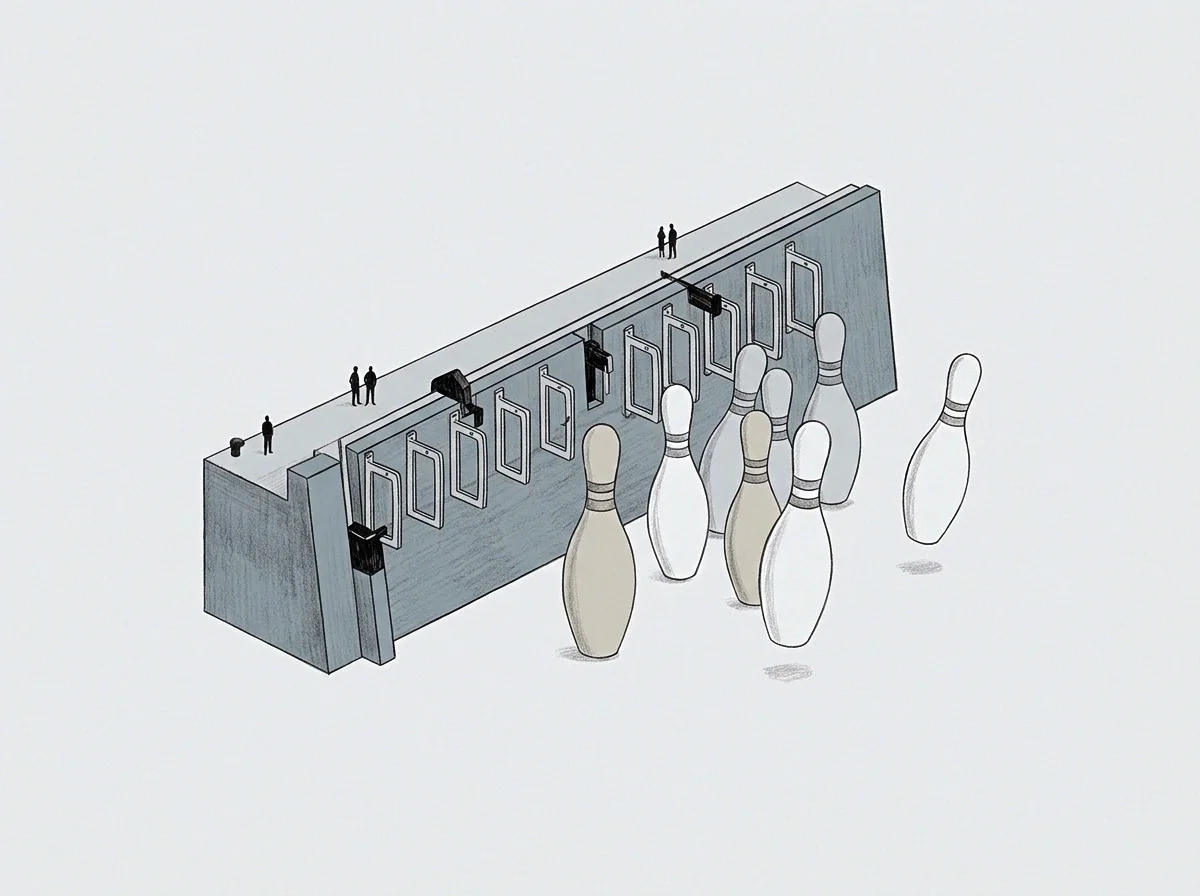
Downregulation, internalisation, or structural degradation of cellular hormone receptors in response to sustained supra-physiological ligand exposure marks an adaptive protective shutdown against chronic biochemical stimulation. In prolonged governance stress, endocrine receptor degradation describes the somatic reduction in tissue sensitivity to circulating signaling molecules, most notably glucocorticoids, insulin, and thyroid hormones. This systemic failure governs the loss of target tissue responsiveness, metabolic inflexibility, and refractory cellular exhaustion across organ systems.
The condition ceases to apply in physiological states characterized by preserved receptor density, standard ligand pulsing, and intact cellular renewal loops.
Pathological Mechanism
Constant ligand bombardment triggers excessive phosphorylation and ubiquitination of target receptor proteins, driving their rapid degradation within endosomes or lysosomes. When chronic operational tension maintains elevated circulating cortisol, endocrine receptor degradation reduces glucocorticoid receptor expression within the hippocampus, hypothalamus, and immune cells. This receptor loss breaks the negative feedback loop that terminates the physiological stress response, keeping the hypothalamus-pituitary-adrenal axis locked in continuous activation.
The biological system expends increasing amounts of metabolic energy to produce hormones that yield diminishing physiological effects.
Systemic Cost
Cellular desensitization degrades the organism’s baseline resilience and capacity to manage daily operational tensions. As endocrine receptor degradation progresses, systemic inflammation escalates because immune cells no longer respond adequately to normal anti-inflammatory cortisol signals. Founders experience severe daytime fatigue, interrupted sleep patterns, and reduced stress tolerance, requiring increased conscious effort to manage regular administrative interactions.
Somatic recovery demands months of reduced physiological load, as replacing internal receptor populations requires sustained transcriptional renewal under unpressured conditions.
Receptor Turnover
Restoring normal endocrine signaling demands structural interruption of chronic environmental stressors. Alleviating endocrine receptor degradation requires strict bounds on continuous operational intensity, allowing circulating ligand levels to drop and cellular transcription machinery to regenerate surface receptors. Shielding key individuals from non-stop tactical crises re-establishes normal endocrine rhythms, protecting systemic health and prolonged executive endurance.
Cellular sensitivity recovers only when chronic stimulation ceases long enough for structural protein turnover to rebuild functional receptors.