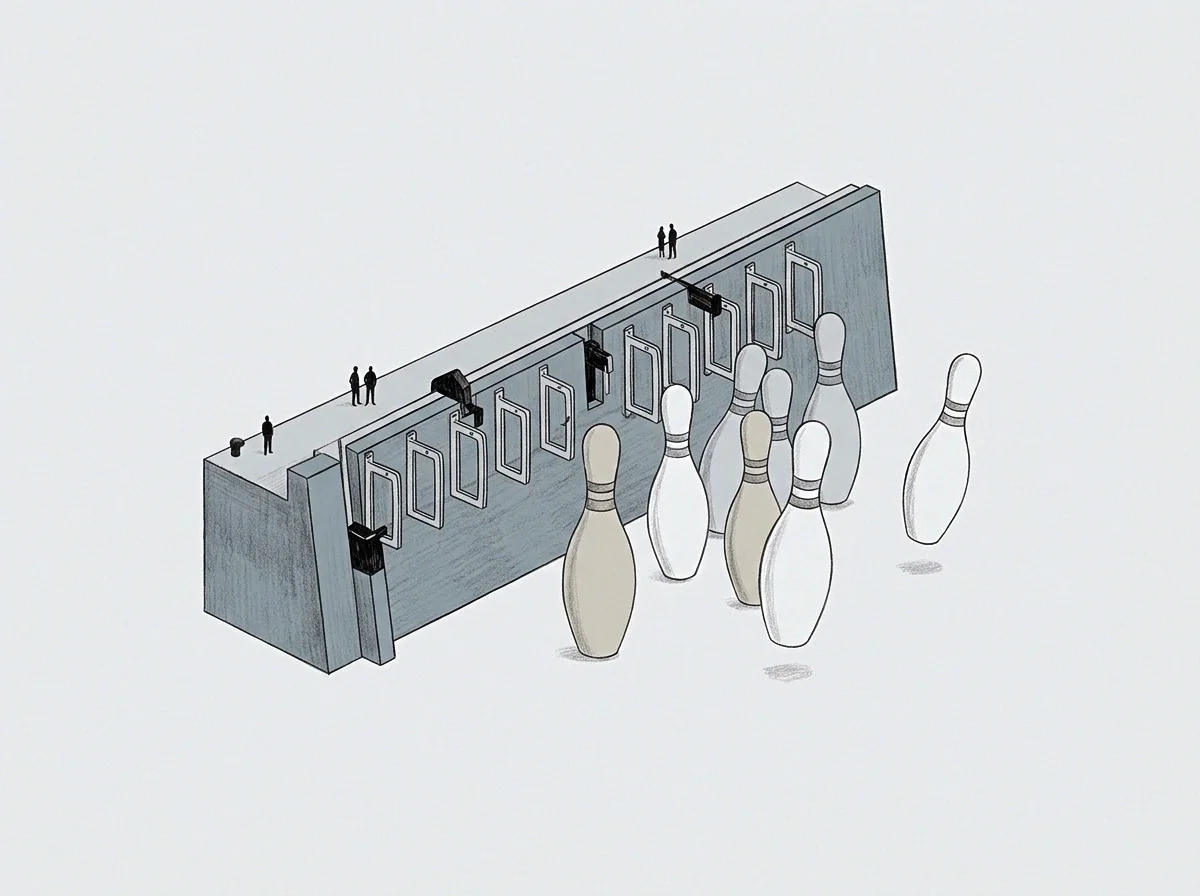
Meaning
A finite operational capacity measure defines the total technical execution hours and cognitive availability present within an engineering organization. Distributing engineering bandwidth determines how many technical projects, product feature requests, and maintenance cycles can proceed simultaneously. This metric constrains product roadmaps, forcing executive leadership to prioritize specific technical goals over secondary feature enhancements.
The baseline reflects both headcount constraints and individual developer attention limitations.
Resource Distribution
Allocating developer work hours requires constant trade-offs between strategic initiatives and operational maintenance. When engineering bandwidth is diverted toward founder-led side projects or legacy code refactoring, primary product development slows immediately. Clear priority frameworks ensure that development teams remain focused on core business objectives.
Capacity Strain
Overcommitting technical resources leads to elevated cognitive stress and increased code defect rates. Exceeding engineering bandwidth forces developers to rush software releases, accumulating technical debt that degrades system stability over time. The cumulative cost appears as high employee turnover and delayed project deliveries across all active work streams.
Allocation Limit
Technical execution capacity cannot be increased instantly by adding new personnel due to onboarding overhead. The availability measured by engineering bandwidth reaches a ceiling where adding developers increases coordination friction faster than output grows. Beyond this threshold, organizational restructuring becomes necessary to optimize output.