Meaning
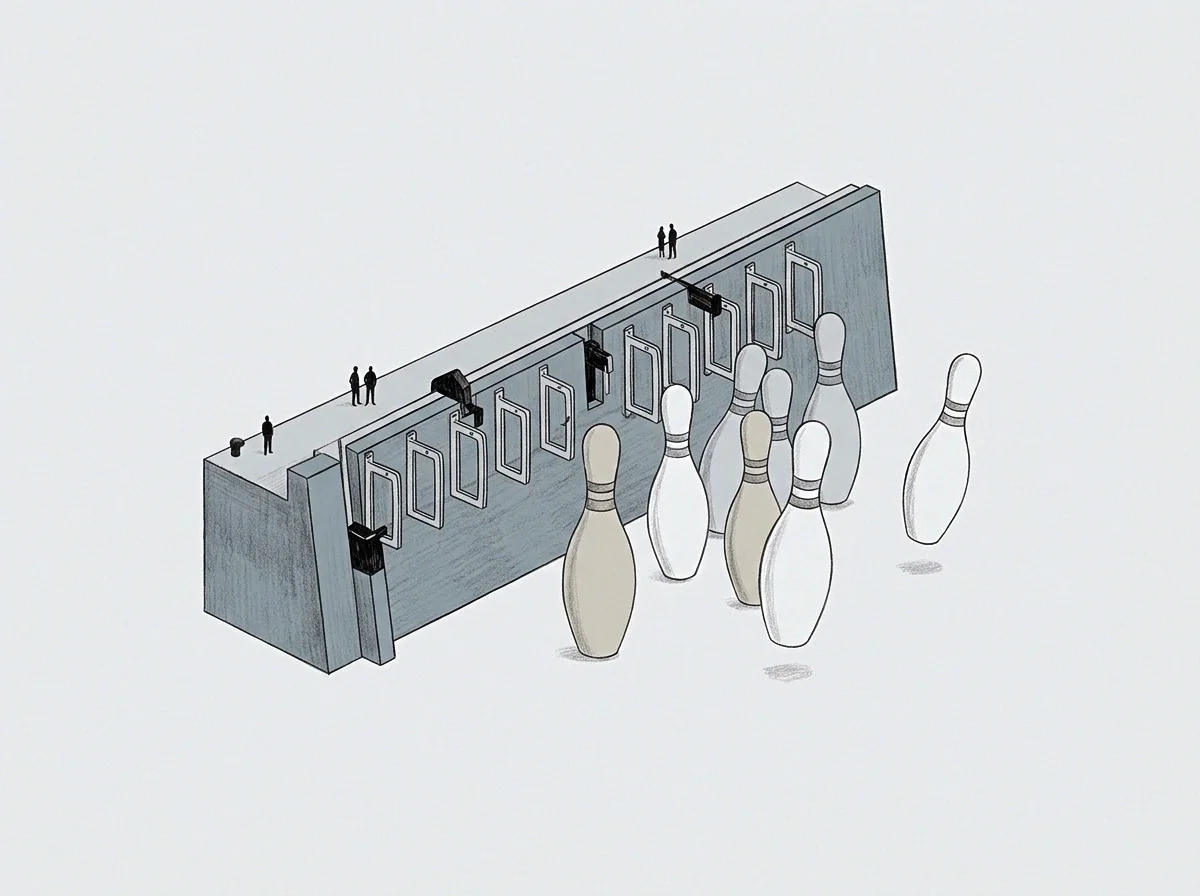
Regulation of cognitive and emotional capacity exists as the load boundary. This specific threshold defines the maximum output an individual sustains before performance degrades or biological maintenance tasks stall. Operational limits dictate the volume of information or social interaction a founder manages within a single cycle.
Operational Constraints
Systems governing professional effort possess finite absorption rates. Once incoming demands exceed this load boundary, internal processing slows significantly. High stress scenarios force a reduction in complex decision making as the system prioritizes basic survival functions over executive control.
Available bandwidth for external engagement shrinks when the internal reserves reach their apex.
Recovery Mechanics
Stabilization follows the temporary suspension of high demand tasks. Physiological sensors reset their baseline once the pressure drops below the load boundary for a consistent interval. Sleep and physical movement assist in shedding the accumulated cortisol that accumulates during periods of sustained exertion.
Regular breaks allow the underlying architecture to recalibrate its sensitivity to incoming stimuli.
Resource Allocation
Attention behaves as a non renewable commodity across the active workday. Efficiency drops when the load boundary forces a pivot from deep analytical work to reactive problem solving. Strategic focus requires long periods of uninterrupted stillness that become impossible if the daily schedule includes too many overlapping commitments.
Optimal functioning stays contingent upon the ability to reject excessive inputs before the cumulative weight compromises the stability of the entire organization.