Meaning
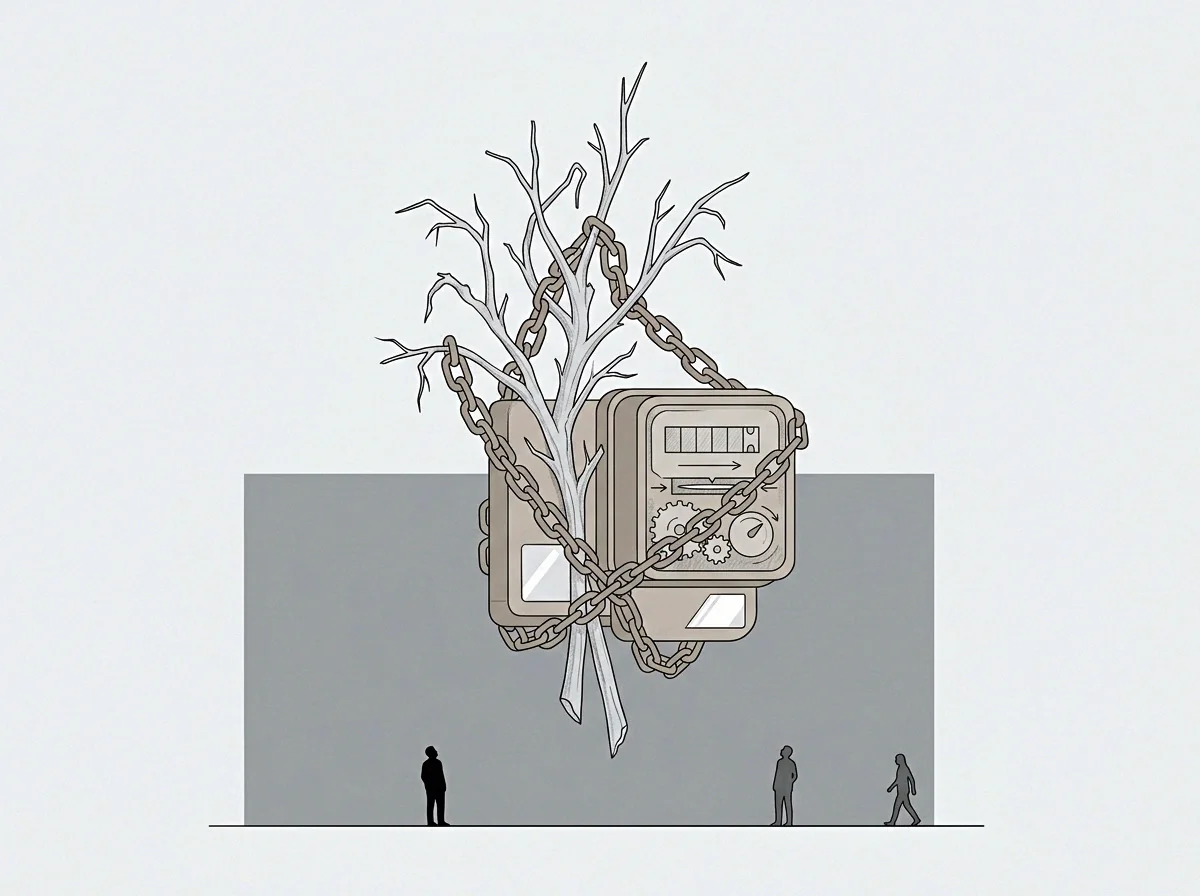
The condition of escalation saturation describes the point where the capacity for internal dispute resolution within a firm reaches total exhaustion. Escalation saturation occurs when the volume of conflicts requiring senior intervention exceeds the cognitive and time resources available to those in leadership positions. This state prevents the orderly processing of operational exceptions.
Management systems enter a period of prolonged gridlock when all incoming queries demand attention that no longer exists.
Regulation Limit
The architecture of reporting hierarchies imposes a fixed ceiling on the number of critical items a founder monitors concurrently. Escalation saturation defines the exact moment that ceiling breaks, causing a total loss of oversight. Leaders attempt to mitigate this by filtering incoming alerts through subordinate managers before they reach the top.
Such layers operate as buffers, yet they increase the latency of critical decisions. The structure fails when the buffer itself generates more internal noise than it resolves.
Operational Penalty
Diminished focus represents the immediate cost paid by a team that loses its ability to prioritize among competing demands. Every unresolved issue creates a backlog that interferes with daily workflows across the enterprise. Resources shift toward firefighting rather than the execution of long-term goals.
The loss of bandwidth forces the organization into reactive behavior where decisions are made based on the urgency of the loudest demand rather than strategic value.
Boundary Condition
The threshold for this phenomenon depends on the clarity of the decision authority delegated to lower tiers. Escalation saturation vanishes when defined protocols remove the requirement for human intervention in routine disputes. Automated rule sets function as a pressure release valve for these congested communication channels.
Systems relying on discretionary approval always remain vulnerable to this failure mode. The limit holds firm until the governing processes remove the dependency on a single point of failure.