Meaning
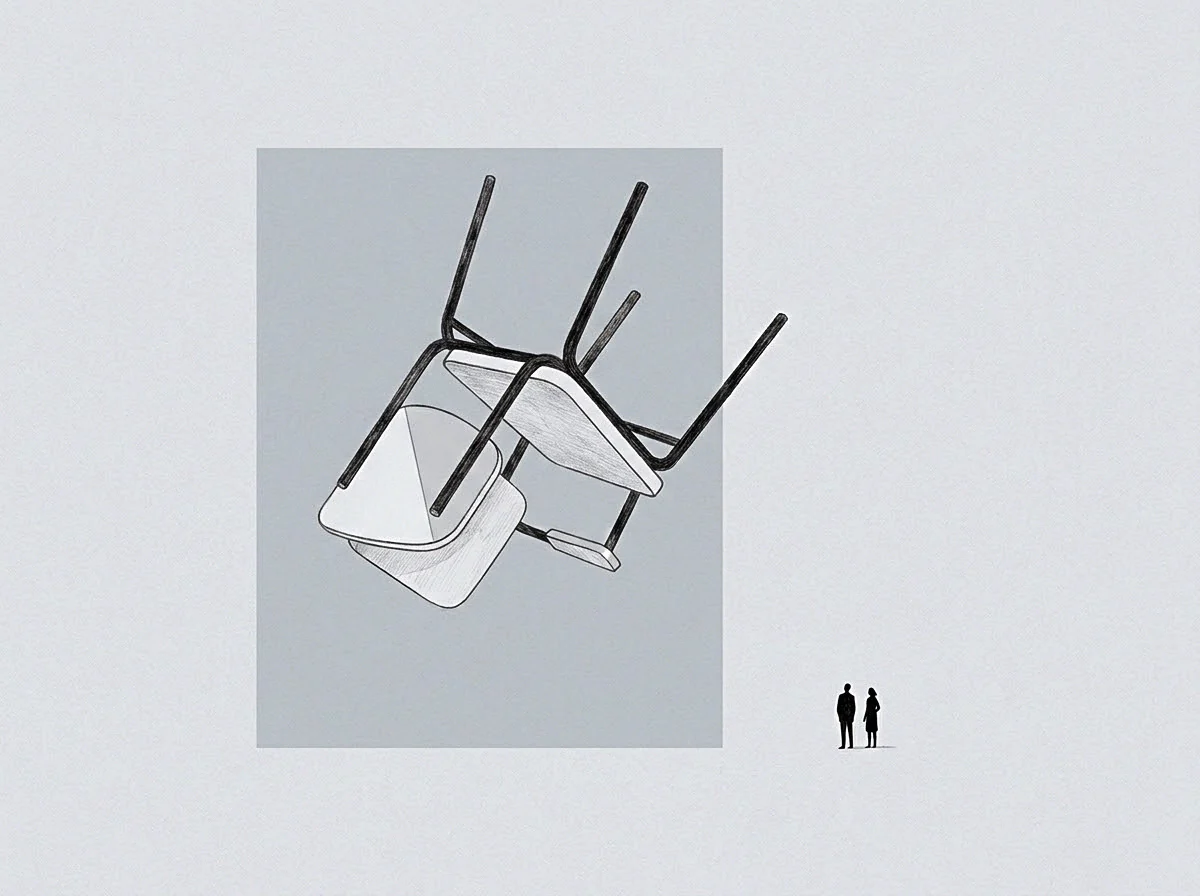
Operational obligations accumulate over time when post-founding governance transitions remain incomplete or poorly executed. In many cases, execution debt represents the unresolved technical, financial, or legal tasks left behind by the departing executive. These tasks must eventually be completed to prevent long-term liabilities from impacting the organization or the individual’s future reputation.
Systemic Weight
Unresolved tasks from the active founding period remain on the corporate records as outstanding action items. This execution debt becomes visible during audits or fundraising rounds, which forces the transitioned leader to spend time resolving old decisions. The organization carries these liabilities until formal releases are signed by all parties.
Resource Drain
Resolving old issues takes hours and attention away from the founder’s current ventures. This drain on personal attention represents a primary cost of delayed transition governance.
Resolution Protocol
Administrative plans must outline the steps needed to discharge these residual duties. Clear schedules of delegation allow successor teams to assume responsibility for outstanding work, preventing the tasks from falling back onto the departed founder. Once a transition is complete, establishing a formal sign-off procedure ensures that no further claims can arise from the legacy position, allowing the individual to dedicate their full focus to new opportunities.