
Longitudinal Impact of State-Gated Throttling Boundaries on Downstream Operational Execution Mechanics
State-gated throttling boundaries lock intake channels during capacity deficits, forcing downstream execution teams to build localized resolution loops.

Threshold
Four queued operational escalations sit unread past midnight while server alarms clear themselves through routine load shedding. The operational lead watches telemetry logs scroll on the secondary screen. Incoming priority flags demand immediate executive overrides for delayed batch runs, yet the console stays dark.
A boundary set by physiological and systemic capacity holds the intake shut. When systemic headroom drops beneath twenty percent, the intake closes automatically regardless of client importance or verbal pressure. The downstream team receives absolute silence rather than an apology.
The operational intake stays locked until recovery variables register above baseline. In early-stage operations, an intake boundary often fluctuates based on guilt, perceived urgency, or social pressure. When an operator substitutes personal endurance for systemic design, downstream execution loops adapt to that elasticity.
Work arrives late because the receiver routinely absorbs late work. Operational teams dispatch unvetted exceptions because someone higher in the executive chain consistently clears the debris. When an automated or rigid operational condition cuts off that elasticity, downstream execution mechanics stall immediately.
A load-transferring system increases intake pressure whenever boundary enforcement is perceived as negotiable.
Capacity exhaustion forces mechanical cutoffs. The distinction between an unstated limit and a formal constraint governs all downstream scheduling. An unstated boundary invites continuous probing, while an explicit parameter converts administrative friction into predictable batch cycles.
Downstream participants initially perceive operational silence as hostility, though the intake shutter operates without emotional valence.
Execution stalls force downstream units to audit their internal queues. Teams accustomed to passing half-formed exceptions upward find their tickets parked in automated queues until standard operating conditions return. The pipeline demands complete input packets before processing resumes.
When the intake port denies transit, local teams begin handling their backlogs themselves. Preserving upstream capacity creates an operational vacuum that downstream teams eventually fill with standardized routing protocols.
The downstream manager demands to know why urgent customer updates receive no manual bypass during critical execution delays.
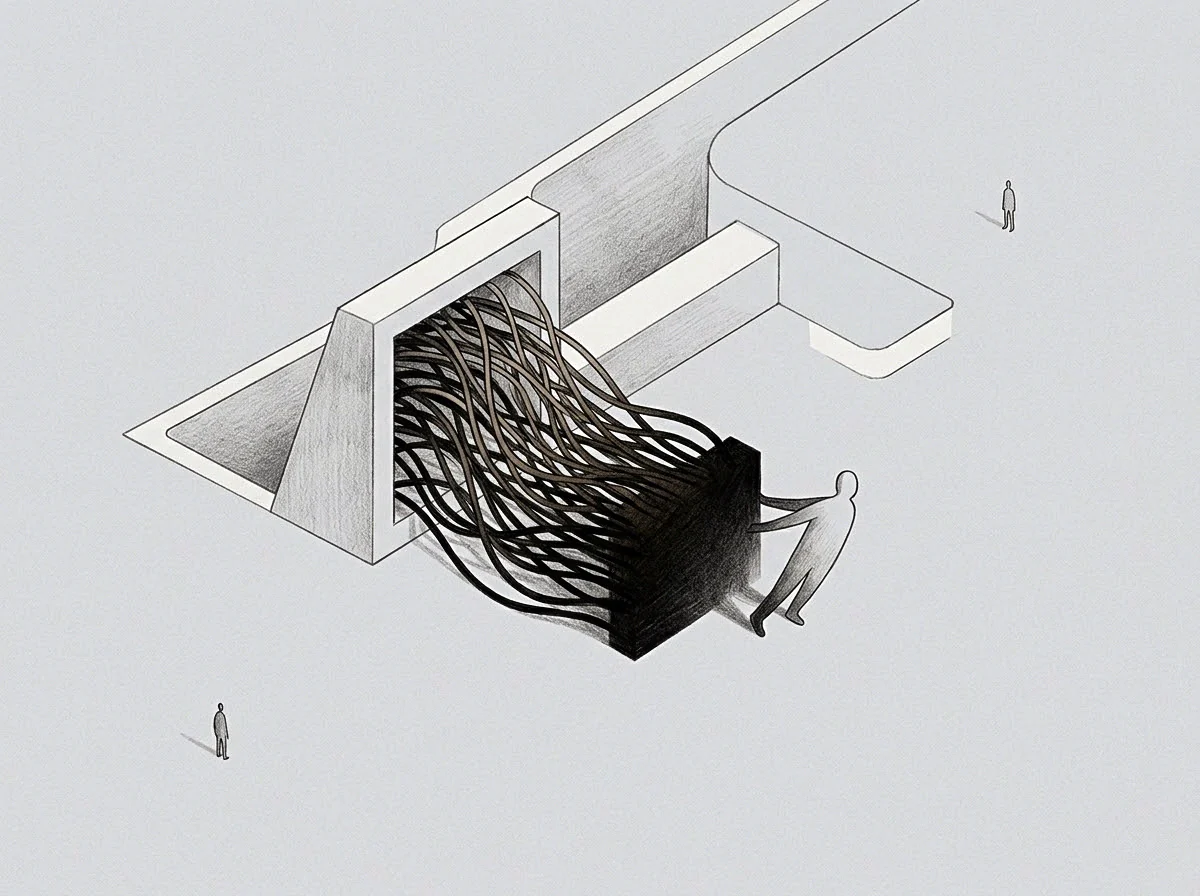
Latch

Capacity Markers Versus Discretionary Rejection
Executive availability acts as a mechanical property rather than a personal inclination. When an operator regulates intake through discretionary refusal, downstream actors treat every denied request as an interpersonal negotiation. They adjust their tone, amplify perceived severity, or try alternative communication channels.
A mechanical cutoff ties operational acceptance directly to verified resource levels, letting headroom metrics dictate throughput.
True operational boundaries function through observable indicators:
- Resource headroom index drops below target thresholds, sealing the intake aperture against external escalations.
- Queue dwell latency exceeds forty minutes, directing all subsequent task bundles into cold storage repositories without triage.
- Concurrent processing density reaches saturation, preventing manual supervisory intervention until batch tasks finish.
When intake gates shut based on measurable indices, debate ceases to alter processing order as the organization adjusts to physical constraints. Downstream operational execution cannot negotiate with an automated shutter. Subordinate units either resolve structural exceptions independently or defer non-essential workflows until intake capacity opens.
A stated constraint transfers operational friction directly to the originating node.
Operating without automated shutters invites administrative collapse. A supervisor who intervenes to resolve every systemic bottleneck becomes the default path for organizational sludge. Over sixty days of sustained execution, downstream teams abandon local diagnostic routines.
Why verify input telemetry when an escalation ticket prompts rapid executive remediation? Automated latches break this moral hazard by rendering the central node structurally unavailable.
Treating boundary enforcement as a personal favor invites downstream partners to test the wall until the perimeter collapses.

Wire

Transmission Delays Across Operational Layers
Upstream constraints send structural shocks through downstream workflows. When an executive node stops absorbing external operational stress, execution teams experience an immediate liquidity crisis in task processing. Routines designed around rapid executive sign-offs stall, and operational velocity drops sharply over the initial thirty-day adjustment window.

Where Does Queued Work Settle Downstream?
Rejected transactions pile up at intermediate boundary points. Middle operators, accustomed to routing ambiguous files upward, must choose between autonomous resolution and execution failure. Operational mechanics adapt out of basic structural survival.
Field data indicates that execution error rates rise briefly as subordinate nodes attempt independent resolution without established decision heuristics. This friction represents the true overhead of operational autonomy.
| Throttling Regime | Upstream Intake State | Downstream Failure Mode | Longitudinal Operational Cadence |
|---|---|---|---|
| Unthrottled Absorption | Permanently open | Upstream node cognitive failure | Erratic bursts driven by emergency interventions |
| Discretionary Denial | Intermittently gated by mood | Intense political maneuvering and repeated appeals | Chronic latency caused by ongoing status negotiations |
| State-Gated Boundary | Mechanically locked by capacity limits | Temporary queue spillover at intermediate nodes | Predictable batch rhythms governed by system recovery |
Downstream throughput stabilizes as secondary operational units construct local filtration mechanics. When managers recognize that the central node will not bail out incomplete batches, data hygiene improves across intake channels as upstream boundaries compel downstream hygiene. Systemic resilience emerges from enforced limits rather than procedural guidance.
Execution hygiene improves when intermediate layers cannot offload administrative overhead to central leadership.
Longitudinal stability requires absorbing initial operational drops. Organizational leaders frequently abandon throttling parameters at the first sign of downstream backlog growth, mistaking structural reorganization for systemic breakdown. Maintaining the operational shutter forces intermediate layers to build local buffers.
A system develops localized capacity only after central intervention remains absent over several billing cycles.
The contract parameter states ninety-six hours of queue suspension for non-standard operational requests, resetting the baseline processing window for all downstream partners.

Desk

Reallocating Structural Overhead
Physical execution spaces reflect administrative reality. When an operator eliminates manual exceptions, the primary workstation transforms from an emergency dispatch station into an analytical terminal. Tasks arrive through scheduled conduits rather than unvetted messages.
Downstream operators mirror this consolidation across their own desks.
Long-term operational adaptation generates distinct behavioral patterns across downstream teams:
- Autonomous exception handling develops when intermediate supervisors realize higher authority will not review routine variances.
- Batch synchronization routines replace continuous ad-hoc escalation pings, compressing communication exchanges into designated administrative periods.
- Local buffer maintenance prevents execution stalls by forcing regional managers to hold reserve capacity for standard transactions.
The shift reduces organizational noise. Downstream units build local decision trees to handle recurring edge cases. Rather than waiting for central approval, teams execute against predefined variance bands.
The operational boundary stops being an obstacle and becomes an environmental constant around which execution mechanics synchronize.
Abandoning fixed throttling gates restores immediate throughput at the cost of long-term executive capacity and systemic integrity.
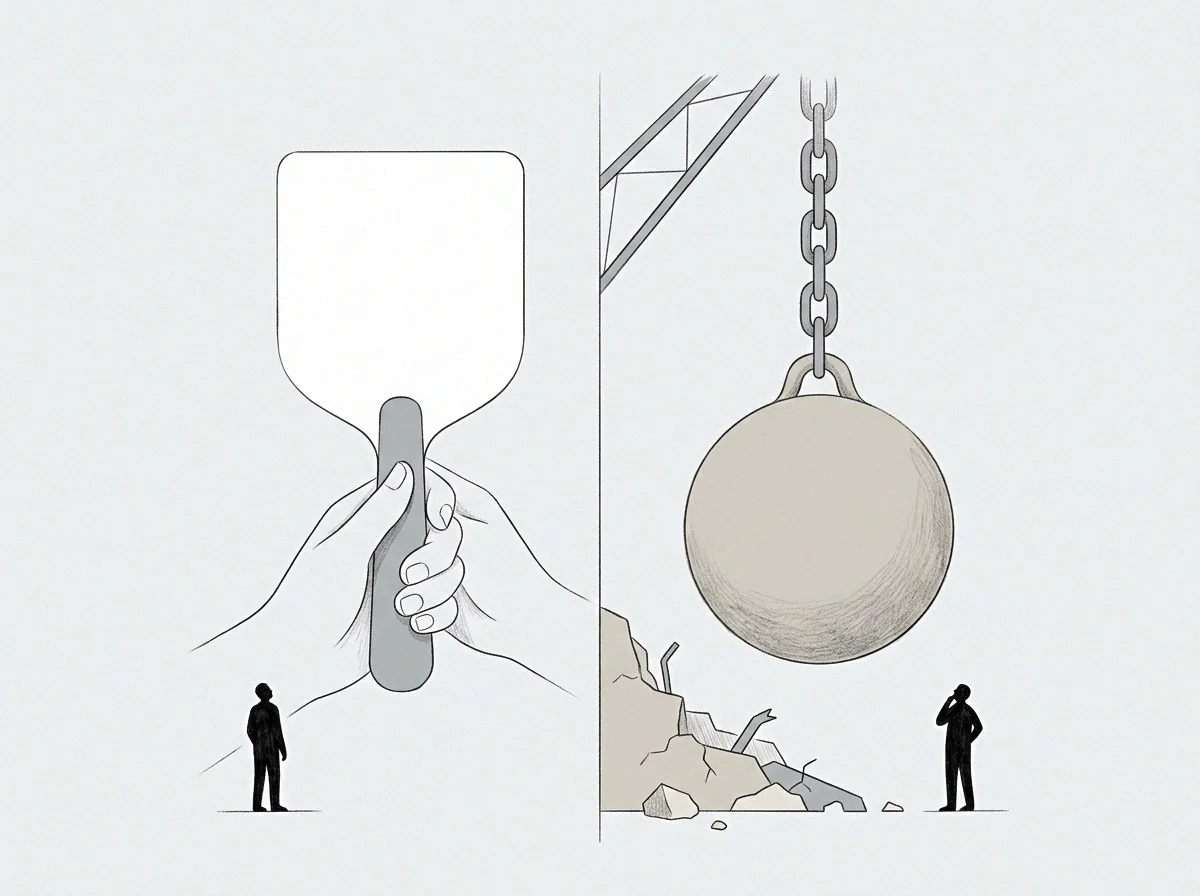
Echo

Longitudinal Execution Equilibrium
Six months after establishing automated throttling, downstream operational execution functions on entirely altered mechanics. Communication volume drops while informational density increases. Subordinate units no longer broadcast ambiguous warning flares; they submit structured resolution proposals.
The operational rhythm shifts from a reactive scramble to a mechanical cadence.
Executive headroom recovers as downstream processes mature. The central operator monitors system indicators rather than managing interpersonal escalations. Downstream mechanics exhibit higher fault tolerance because individual nodes possess verified operational discretion, allowing the organization to withstand external volatility without executive overload.
Operational silence from leadership signals functional autonomy across downstream execution nodes.
System stability remains tied to boundary preservation. If the central operator reintroduces arbitrary exceptions during quarterly reviews, downstream units dismantle their local buffers within days. Organizational dependencies reassert themselves with remarkable speed.
Operational discipline requires strict adherence to structural limits, regardless of situational temptations.
Whether downstream operational units can maintain localized execution autonomy when systemic stress exceeds historical parameters remains an open question across administrative research.