Meaning
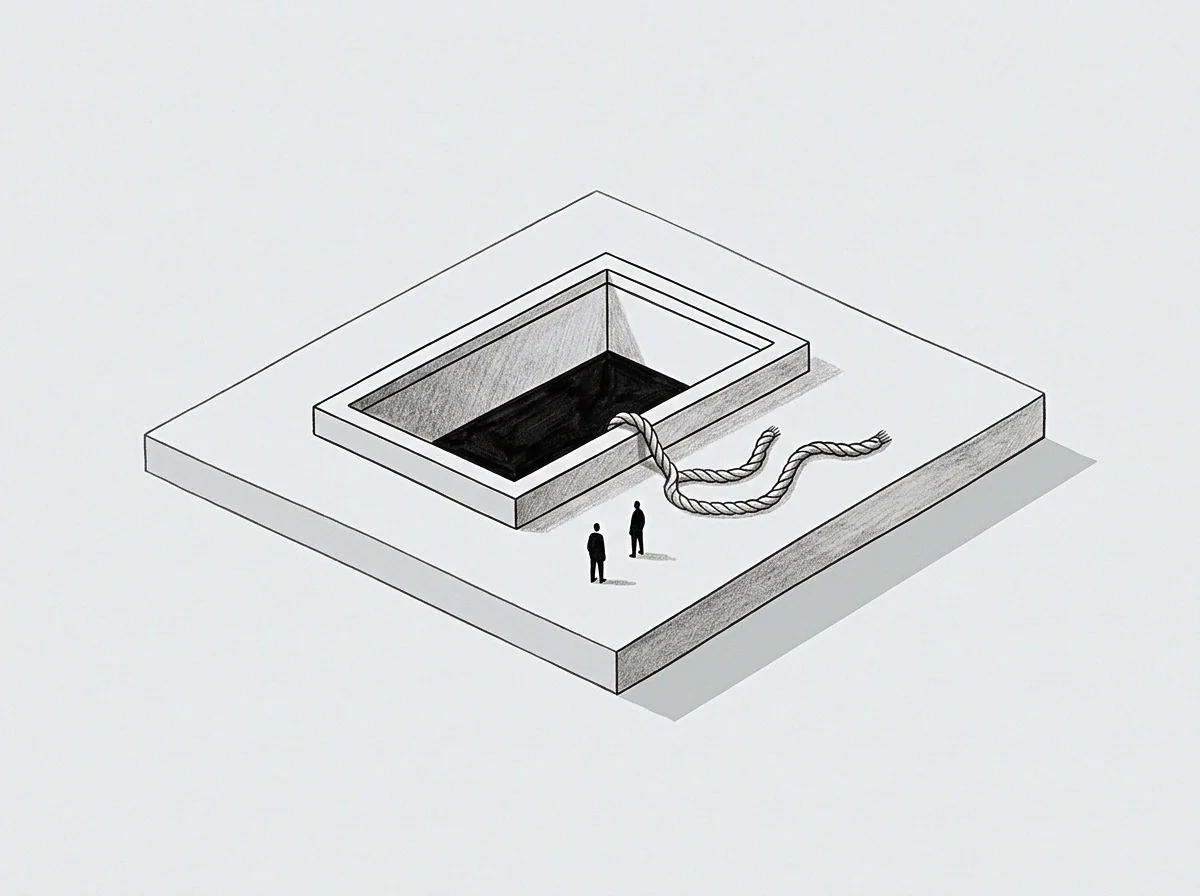
Cognitive resources allocated to deliberate decision making represent a protective margin against immediate operational pressure. Maintaining an executive buffer allows a founder to resist the pressure of immediate demands and focus instead on systemic governance. This protective insulation prevents the constant erosion of analytical capacity by routine choices.
When it is absent, the leadership function shifts from proactive design to raw survival.
Protective Margin
Operational pressures constantly threaten the capacity for deliberate oversight by demanding immediate choices on minor issues. Creating an executive buffer requires the deliberate delegation of routine choices to secondary systems or trusted subordinates to conserve limited cognitive resources. This deliberate allocation of attention ensures that complex trade offs receive the deep focus they demand.
Distributing decision making authority across a leadership team provides the most effective shield for this analytical capacity, which otherwise declines under the weight of continuous minor inquiries.
Depletion Cost
Depletion of this cognitive reserve leads directly to decision fatigue and an increase in risk tolerance. When the executive buffer drops below a safe threshold, the ability to evaluate delayed outcomes decays and the organization defaults to short term responses. This state is marked by avoidance of hard choices and an increase in administrative errors.
It creates a cumulative debt that is difficult to correct.
Operational Boundary
The effectiveness of this structural protection is bounded by the complexity of the external regulatory environment. A highly volatile regulatory landscape requires continuous adjustment that can overwhelm any artificial separation of roles. In such environments, the mental reserve must be supplemented by formal advisory structures that share the cognitive load.