Meaning
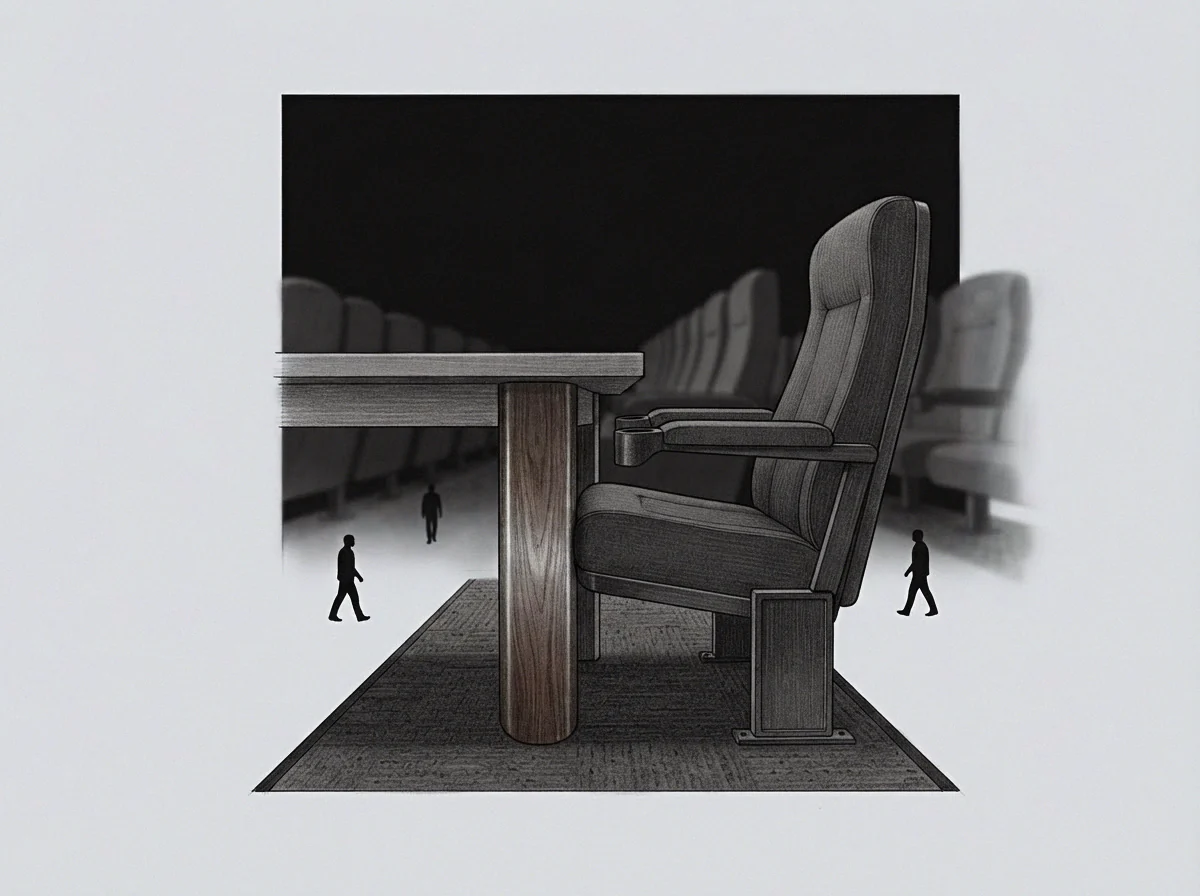
Cumulative degradation of professional efficacy and psychological resilience caused by prolonged occupancy of a high-accountability role. This executive seat wear appears as a gradual loss of sensitivity to operational risks and a decreased capacity for innovative problem solving. It describes the structural aging of a person’s ability to command and control complex environments.
The process stops when the individual exits the role or undergoes a period of prolonged detachment.
Institutional Friction
Long-term exposure to high-stakes responsibility alters the baseline of stress response. While initial phases of a tenure might see high adaptability, executive seat wear eventually leads to a rigid adherence to established protocols even when they no longer work. This rigidity functions as a defensive strategy against the volatility of the position.
The cost is a measurable decline in organizational agility.
Role Fatigue
Capacity for empathy and interpersonal management often declines as the tenure extends. As executive seat wear progresses, the person may view personnel and partners as variables to be managed rather than as collaborative agents. This shift reduces the quality of the organizational culture.
It is a signal of the heavy load associated with sustained authority.
Transition Trigger
Succession planning becomes a requirement once the depletion of leadership energy impacts the bottom line. The replacement of a long-term occupant provides a reset for the role’s energetic demands. Fresh perspectives are often less burdened by the historical weight of previous crises.