Meaning
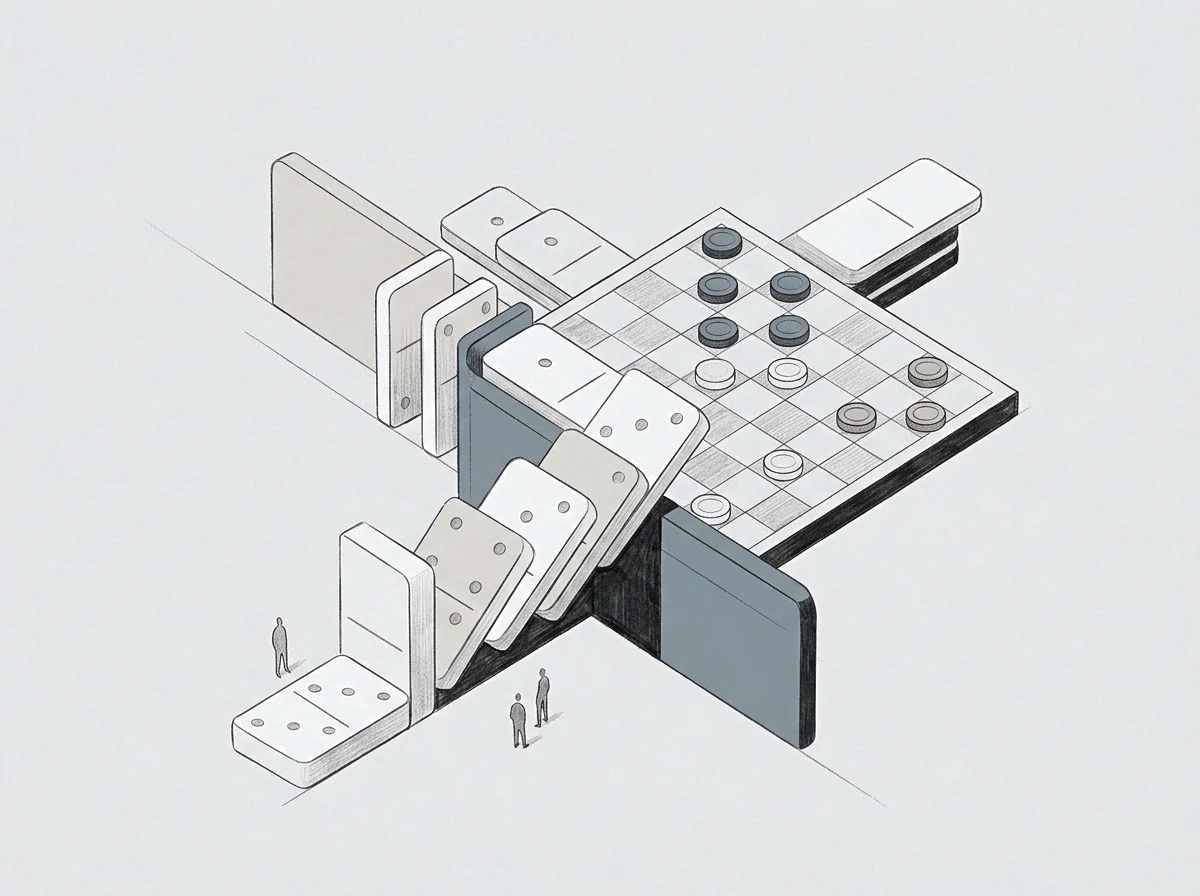
An organizational and cognitive limit reached when the volume and variety of operational demands exceed the processing capacity of an individual or a system. For a founder, functional saturation occurs when the growth of the company outpaces their ability to manage multiple distinct roles simultaneously. This state is characterized by delayed decisions, missed communications, and a decrease in the quality of oversight.
Operational Load
Operating at this threshold forces the leader to continuously prioritize urgent tasks over important long-term strategy. This reactive posture consumes massive amounts of mental energy, as the brain must constantly switch between unrelated contexts, such as finance, product development, and customer support. The transition cost between these diverse domains reduces overall cognitive efficiency and accelerates exhaustion.
Systemic Consequence
The primary outcome of this bottleneck is a slowdown in organizational velocity and the emergence of operational errors. As the founder becomes the single point of failure for approvals, team members are left waiting for direction, which stalls key projects. This paralysis reduces the firm’s agility and increases internal frustration.
The organization’s throughput becomes strictly limited by the founder’s daily processing time.
Resolution Boundary
Resolving this condition requires a deliberate restructuring of the organization to delegate specific functional domains to specialized executives. This transition is only possible if the founder is willing to relinquish control and trust the new leadership team. If the organization cannot afford to hire such specialists, the saturation point remains an absolute ceiling on the company’s growth.