
Differentiating Executive System Throttling From Major Clinical Depressive States
Executive system throttling preserves central processing by selective down-regulation, while major depression reflects general affective and motivational collapse.
Boundary
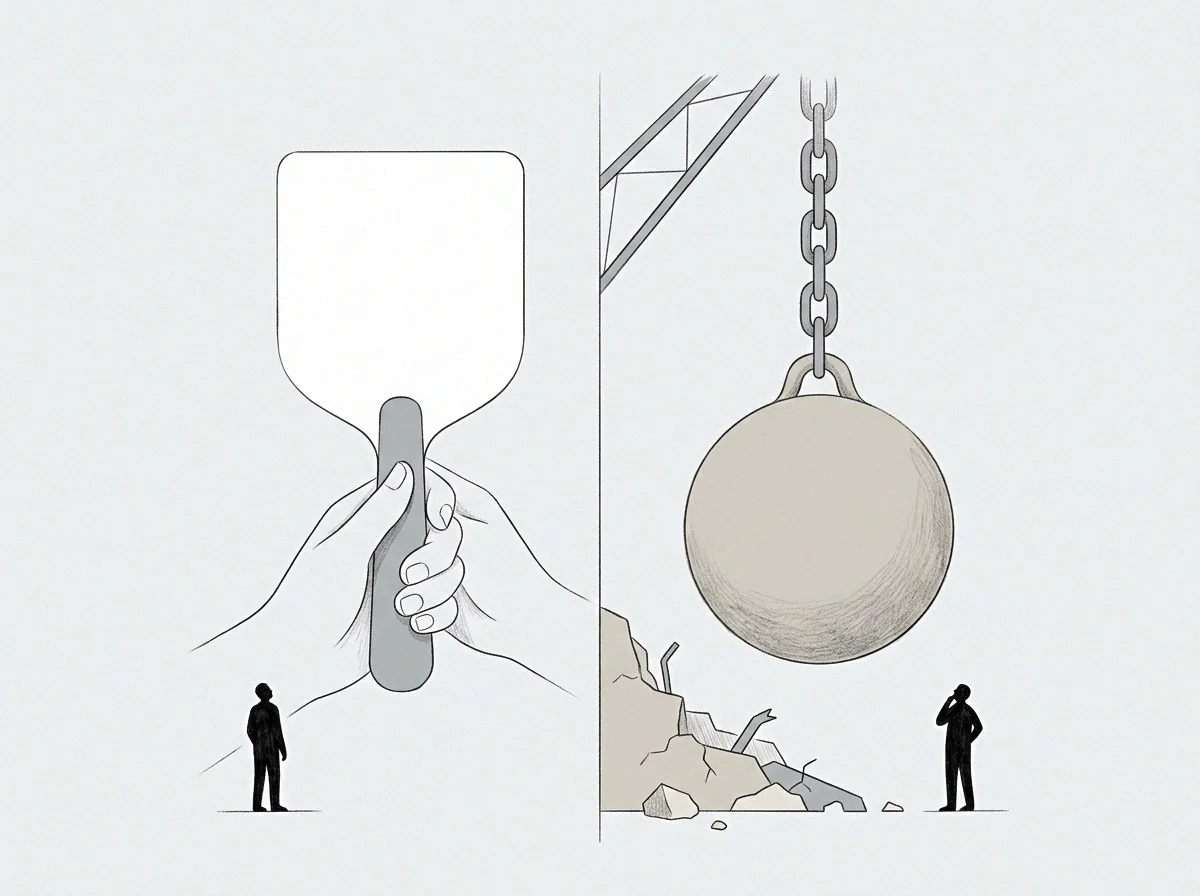
The distinction between executive system throttling and major clinical depressive states centers on whether cognitive capacity undergoes protective down-regulation under active load or whether affective and motivational capacity has collapsed across all contexts. Throttling functions as an adaptive biological brake: sustained operational demand, continuous task switching, and ungated inputs consume processing headroom until the prefrontal cortex restricts complex planning and emotional regulation to preserve core operations. Major clinical depression, by contrast, presents as generalized affective flattening, pervasive anhedonia, and a persistent decline in goal-directed drive regardless of changes in external load.
Allostatic load research defines chronic regulatory strain as cumulative wear on physiological systems under sustained demand. Neuroendocrine studies tracking salivary cortisol rhythms and sympathetic markers in high-demand populations show that prolonged overload alters system sensitivity. This model rests on biomarker panels from workplace stress cohorts and would require revision if continuous biometric tracking showed no neuroendocrine variance during acute operational breaks.
When throttling occurs, removing immediate demand sources quickly restores cognitive throughput and emotional responsiveness. Depressive states show no equivalent reactivity; clearing an operational schedule leaves the underlying deficit unchanged.
Available headroom can collapse rapidly under unmanaged demand.
To an outside observer, a throttled operator can look indistinguishable from someone with clinical depression. Speech slows, decision speed drops, social interaction shrinks, and simple administrative tasks create severe friction. Yet the underlying mechanics differ: a throttled system retains core capabilities when limited to a single thread, keeping focus, curiosity, and responsiveness intact until load is removed.
Major depression depresses these capacities across all contexts. Treating biological throttling as affective collapse leads to interventions that add cognitive burden rather than removing it.
High allostatic demand induces executive throttling whenever open cognitive loops exceed physiological concurrency limits.
Operating at capacity consumes regulatory headroom just to maintain baseline execution. When external demands cross this threshold, executive throttling establishes a firm biological limit. Applying an explicit demand cap to an overloaded role produces an immediate recovery in task selectivity, confirming a throttled state rather than a clinical mood shift.
Circuit

Cognitive Concurrency Caps and Ungated Loops
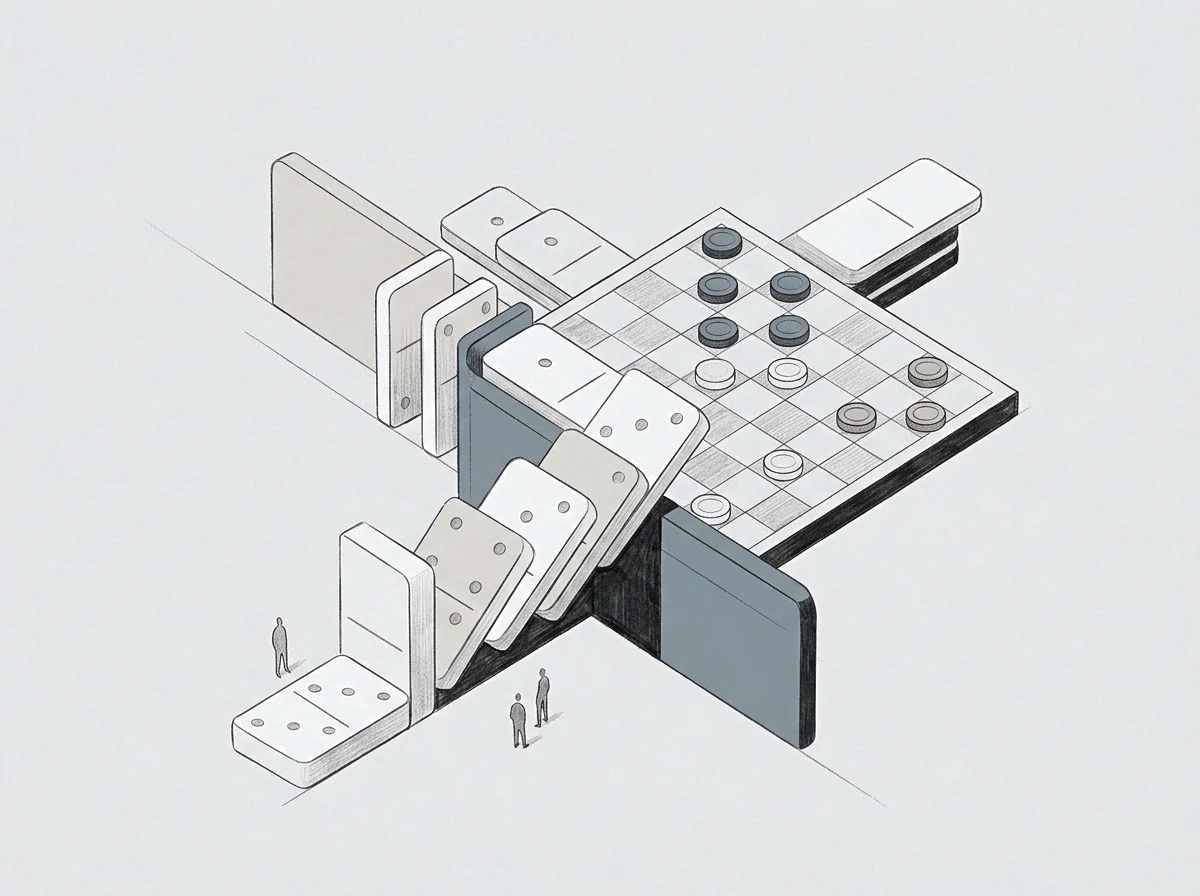
Human cognitive architecture operates under strict concurrency limits. Working memory acts as a finite bottleneck, holding only a few active information clusters at once. Every operational thread requires a processing slot.
Gated threads with defined scopes, fixed deadlines, and clear completion terms demand minimal bandwidth, whereas ungated loops—marked by ambiguous boundaries, pending inputs, or shifting priorities—stay continuously active in working memory.
Unresolved open loops constantly consume processing bandwidth.
Maintaining four ungated threads at once forces constant background context switching, draining prefrontal metabolic resources. As headroom contracts, protective throttling sets in, systematically scaling back non-essential social processing, long-term strategic forecasting, and emotional coregulation.
- Ungated decision loops lacking clear closure terms consume continuous background processing slots.
- Uncertain priority hierarchies force repeated real-time context switching across operational channels.
- Unbuffered interpersonal demands draw directly on core self-regulation headroom during high-stress operational windows.

Switching Costs Inside Saturated Slots
The cost of switching between unresolved loops scales exponentially rather than linearly. Research on task interruption shows that returning to complex work after an unexpected break requires up to twenty-three minutes of re-orientation. When operational volume causes multiple interruptions an hour, saturated working memory slots never clear, and energy goes toward restoring context instead of executing tasks.
An unbudgeted operational thread reduces available cognitive headroom until active execution stalls completely.
A throttled executive system curtails throughput to safeguard baseline functions, systematically shedding excess load.
In a saturated state, even minor operational decisions create severe friction, caused by a lack of available cognitive slots rather than diminished willpower or motivation. Attempting to address this through motivational reframing simply places another task on an overburdened processor. Whether executive processing slots recover linearly once a thread ends or remain suppressed during endocrine recovery has not been determined.

Shelf

Contextual Reactivity versus Pervasive Anhedonia
Diagnostic clarity depends on observing how the system responds to sudden load shifts. Social baseline theory suggests that human neural architecture uses proximity and shared load to conserve individual energy. Experiments measuring threat responses through functional magnetic resonance imaging demonstrate that visible structural support immediately reduces prefrontal energy expenditure.
These findings rest on fMRI threat paradigms in social pairs and would require revision if support testing across isolated, high-autonomy professionals showed no corresponding decline in neural activation.
A throttled executive system shows sharp contextual reactivity: when input drops to zero during a mandated break, cognitive throughput and emotional lightness return quickly. Major depressive states exhibit persistent anhedonia that remains unchanged despite environmental shifts.
Under sustained pressure, the operational baseline shifts lower.
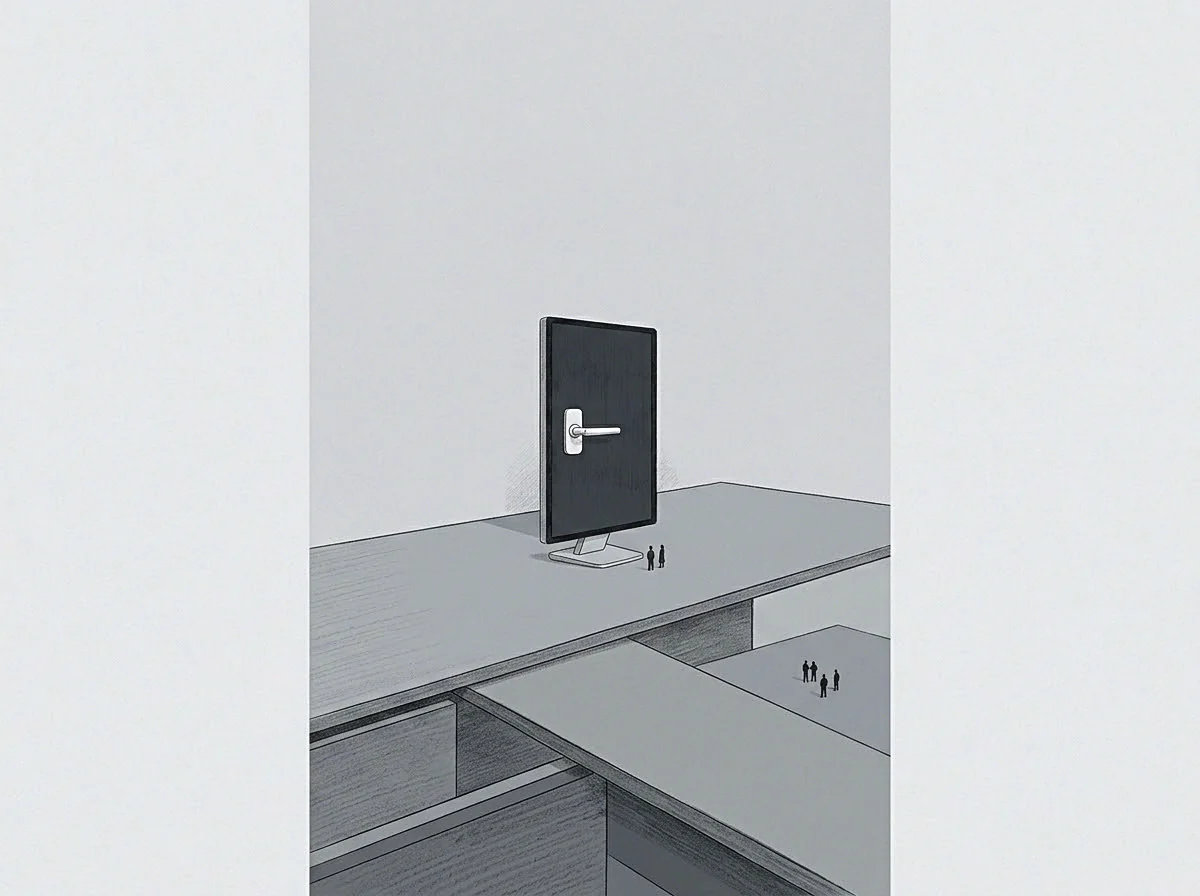
Consider an operator overseeing four active operational lines while balancing investor expectations, team performance, and family coregulation. Working late into the night before a desk with dozens of unanswered messages on multiple screens, the operator appears withdrawn, emotionally flat, and unmotivated to an outside observer. Internally, the operator experiences numbness, an inability to prioritize tasks, and detachment from long-term goals.
| Marker | Throttled Executive State | Major Depressive State | Capacity Implication |
|---|---|---|---|
| Anhedonia and Motivation | Selective, load-dependent drops in drive focused on saturated operational channels. | Pervasive, global loss of interest and pleasure across all life domains. | Throttling preserves intrinsic reward pathways when external load is cleared. |
| Context Reactivity | Rapid restoration of affective warmth and cognitive focus upon input reduction. | Persistent low mood and blunted affect regardless of environment or load drops. | Throttling indicates structural system overload rather than mood pathology. |
| Post-Effort Headroom | Exhaustion directly proportional to the volume of ungated open loops. | Profound lethargy independent of recent cognitive or physical expenditure. | Throttling requires thread gating to restore working memory headroom. |
| Diurnal Variation Curve | System performance degrades predictably as decision slots burn throughout the day. | Mood often presents worst in early morning hours, improving unpredictably later. | Throttling tracks metabolic resource depletion over continuous operational hours. |
The Physical Reality of Saturated Slots
If that same operator receives four complete days free from operational inputs, ungated messages, or strategic decisions, available processing headroom expands. The operator re-engages with personal interests, displays spontaneous humor, and makes clear decisions, confirming that the underlying constraint was functional saturation rather than clinical depression.
Execution may continue under stress, but capacity degrades steadily.
A person sitting before an empty desk late at night often lacks processing headroom rather than motivation.
Misdiagnosing executive throttling as clinical depression risks applying introspective therapy to an exhausted processor, which increases cognitive fatigue and delays structural load reduction.
Scale

Misattribution Cascades in High Demand Seats
Misinterpreting executive throttling triggers cascading structural errors. When an operator reaches the concurrency ceiling, the cognitive system curtails non-essential social engagement to protect baseline delivery. Colleagues, board members, and partners frequently misread this protective contraction as personal hostility, emotional withdrawal, or burnout.
Uncertainty surrounding this withdrawal creates immediate friction across the organization.
The surrounding organization often responds to perceived withdrawal by requesting explanations, emotional reassurance, or alignment meetings. These interactions enter as additional ungated threads that demand active regulation and cognitive bandwidth, inadvertently increasing the load that caused the initial system failure.
- High operational input exhausts available executive slots, causing immediate down-regulation of non-essential social processing.
- External observers read targeted behavioral withdrawal as affective apathy or clinical disengagement from core responsibilities.
- Diagnostic framing shifts focus toward mood intervention, leaving the underlying structural overload completely unaddressed.

Should Demand Drop Precede Clinical Evaluation?
Evaluating an overloaded individual for clinical depression while under full operational load frequently yields false positives. Standard assessment tools measure self-reported fatigue, cognitive slowing, executive dysfunction, and reduced drive—symptoms common to both clinical mood disorders and severe neurocognitive throttling. Establishing an accurate baseline requires a temporary reduction in ungated inputs.
The claim that brief demand reduction resolves executive throttling within seventy-two hours lacks comprehensive controlled study backing. Given this uncertainty, practitioners often institute a four-day zero-input protocol before making a definitive diagnostic assessment. During this isolation period, incoming operational requests, strategic decisions, and social coregulation expectations cease entirely; if cognitive clarity returns, the primary driver was executive throttling.
Lowering incoming thread counts restores task execution faster than emotional introspection.
When input constraints are maintained, baseline operational function holds.
Without clear structural boundaries, observers often interpret operational throttling as emotional detachment, misreading office silence as personal abandonment rather than system overload.

Track

Gating Mechanics and Headroom Recovery
Restoring a throttled executive system requires converting ungated open loops into structured, low-cost items. A thread with an explicit scope, a fixed decision date, and clear operating terms consumes no real-time processing slots, resting in external tracking and freeing working memory for active tasks.
Cognitive processing limits remain absolute regardless of effort.
Operators lower allostatic load by instituting explicit intake gates so incoming demands pass through filtration before entering working memory. Unscheduled requests, vague strategic discussions, and open-ended messaging channels trigger automatic gating rules that reject undefined tasks until they carry clear structure.

Scope Date Terms as Capacity Armor
Establishing clear terms around availability protects processing headroom. Defining working windows, setting strict channel boundaries, and enforcing explicit decision criteria prevent external demand from flooding memory slots, shifting the operator from passive load absorption to active structural management.
Operational priority determines bandwidth allocation.
Properly gated threads clear efficiently without draining capacity.
When an operator replaces open-ended availability with structured intake rules, executive throttling recedes, headroom expands, and operational capacity returns to baseline levels. Parked operational lines require clear scope and explicit terms before active cognitive slots free up.