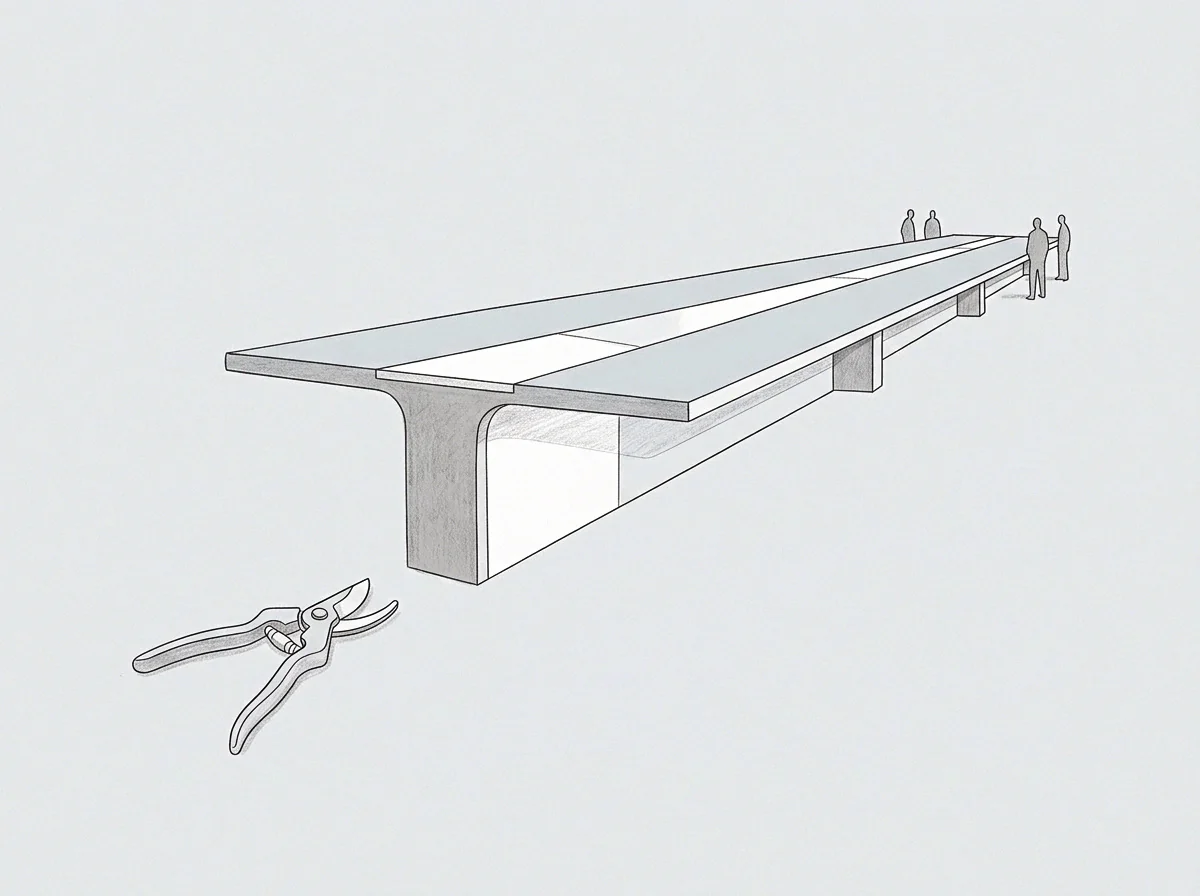
Meaning
Projects an outward appearance of operational stability and emotional balance while internal executive systems experience severe stress or regulatory overload. Maintaining a homeostatic facade allows founders to reassure investors and employees during internal structural crises. This defense mechanism operates during severe operational strain, ending when internal systems collapse or full operational transparency occurs.
Projected Equilibrium
Organizational confidence often relies on the visual impression that leadership maintains full control despite severe turbulence. Behind a homeostatic facade, leaders suppress visible distress and project calm to prevent panic across team ranks. Simulated stability maintains short-term stakeholder alignment.
Strategic focus splits between managing perception and solving urgent crises.
Allostatic Strain
Suppressing signs of internal system breakdown demands enormous physiological energy, accelerating founder burnout and cognitive exhaustion. Constructing a continuous homeostatic facade forces executives to absorb organizational shocks without utilizing external support systems or administrative relief valve mechanisms. Unprocessed physiological tension impairs high-level analytical judgment over sustained periods.
High emotional suppression increases long-term wear on executive health. System failure risk rises as coping mechanisms degrade under isolation. Synthetic calm drains underlying operational capacity.
Structural Collapse
Unfiltered operational transparency and objective performance audits establish the boundary where artificial composure can no longer hide systemic dysfunction. Discontinuing a homeostatic facade requires accepting immediate operational adjustments to restore genuine organizational stability. Authenticity restores baseline physiological safety.