Meaning
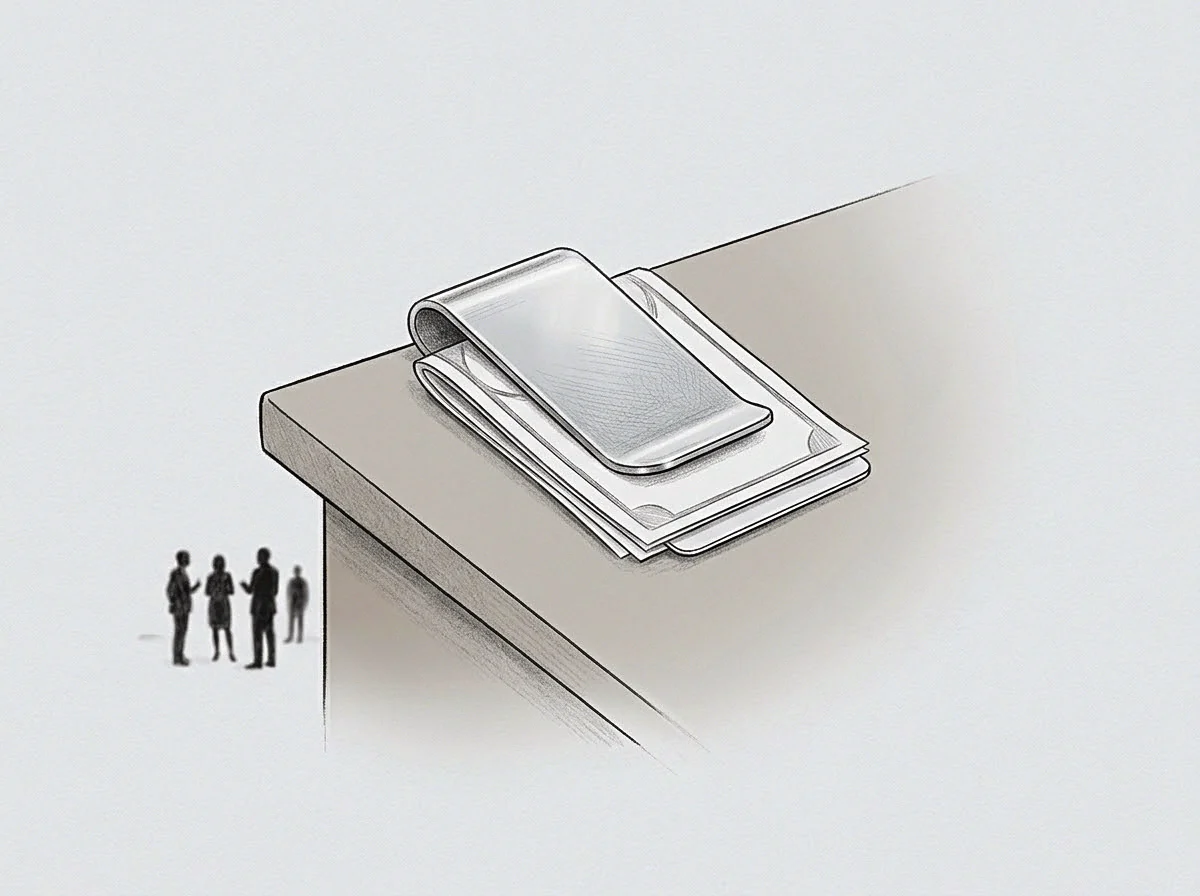
Individual coping strategies rely on a leader managing personal physiological and cognitive states without drawing on external support or social baselines. This mode of hyper-autonomous regulation often develops when a leader operates in isolation, believing that sharing stress with others will undermine authority or signal weakness. It is characterized by a reliance on sheer willpower to sustain performance.
Physical Cost
The physiological cost of hyper-autonomous regulation is high, driving a continuous elevation of cortisol and adrenaline. Because the founder refuses to co-regulate with peers or partners, the nervous system remains in a heightened state of alert. This continuous stress response accelerates the depletion of energy reserves and leads to early burnout.
Cognitive Load
Managing stress entirely within oneself consumes valuable mental bandwidth that could otherwise be used for strategic thinking. When hyper-autonomous regulation is the primary mechanism of survival, the executive has fewer resources to dedicate to problem-solving, resulting in a narrowed focus and decreased capacity to handle complex market dynamics. This self-reliance acts as a bottleneck for the entire business, because the individual cannot process constructive feedback or collaborate effectively on critical issues.
The long-term result is a breakdown in both personal health and organizational efficiency.
Social Baseline
Breaking this pattern requires the integration of co-regulation into the leadership structure. By sharing the emotional burden with trusted advisors and peers, a founder can transition from solo coping mechanisms to collective resilience, reducing the extreme tax on individual executive functions.