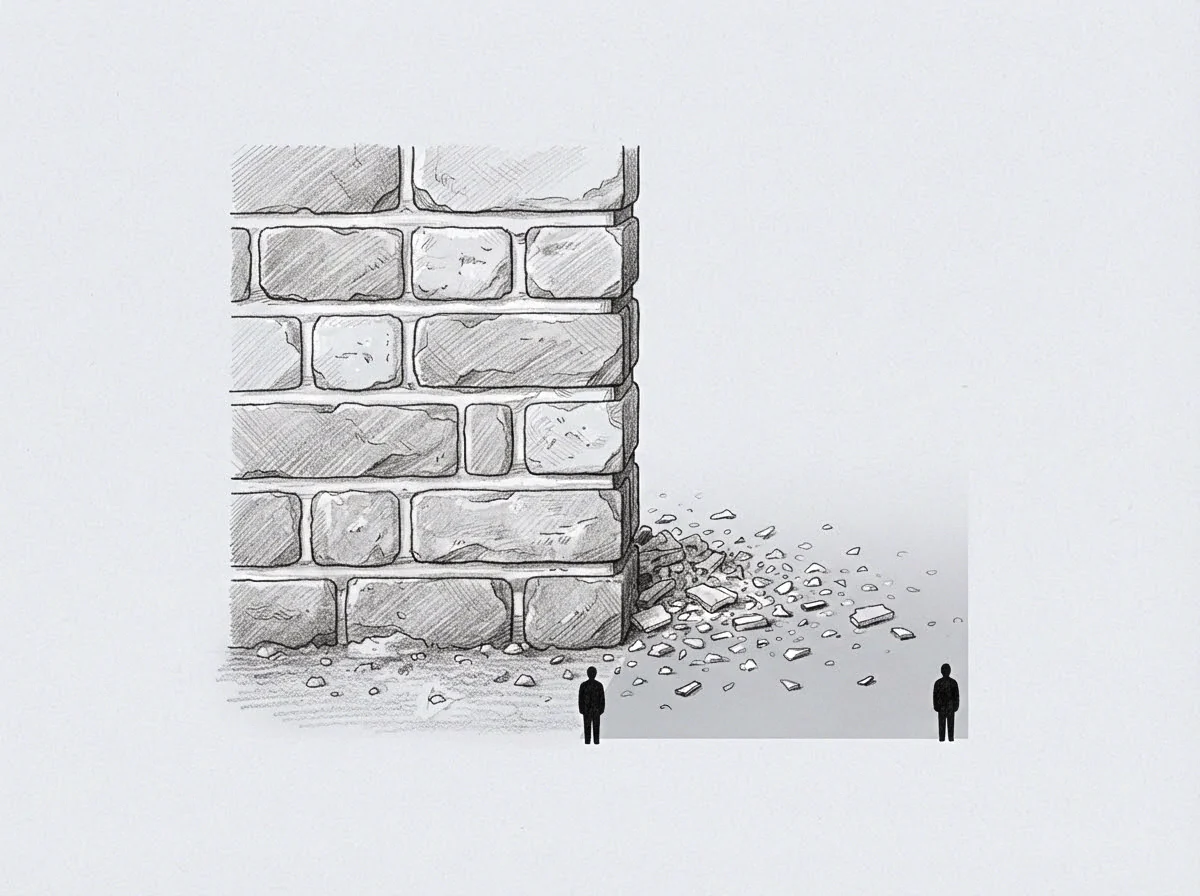
Meaning
Psychological adaptations involve a rigid refusal to accept assistance or delegate tasks even when the workload exceeds individual capacity. In the context of allostatic load, hyper-independence functions as a defensive mechanism that prioritizes self-reliance over collaborative efficiency. This state often emerges as a response to previous failures in shared regulation or support systems.
It measures the degree to which a person internalizes every operational requirement, regardless of the availability of external resources. The condition reaches its limit when the physical or cognitive capacity of the individual is exhausted by the sheer volume of unshared responsibility.
Regulatory Isolation
The isolation of the individual increases as they pull away from the social baseline of the organization. By refusing to borrow regulation from others, the person must provide all the emotional and structural stability for the system themselves. This creates a single point of failure within the leadership structure.
Capacity Drain
Internal capacity is drained by this behavior. No one can maintain a total oversight of every variable for an indefinite period.
Relational Friction
Friction arises when team members feel their agency is ignored or their competence is doubted. This results in a breakdown of trust and a decrease in the quality of the surrounding social environment. The cost is paid in the attrition of talented staff and the eventual collapse of the support network.