
Neurobiological Limits Of Rebuilding The Autonomic Receptor Slot After Prolonged Hyper Vigilant Isolation
Prolonged isolation dismantles autonomic receptive capacity by down-regulating vagal circuits, converting co-regulation into a perceived metabolic threat.

Gate
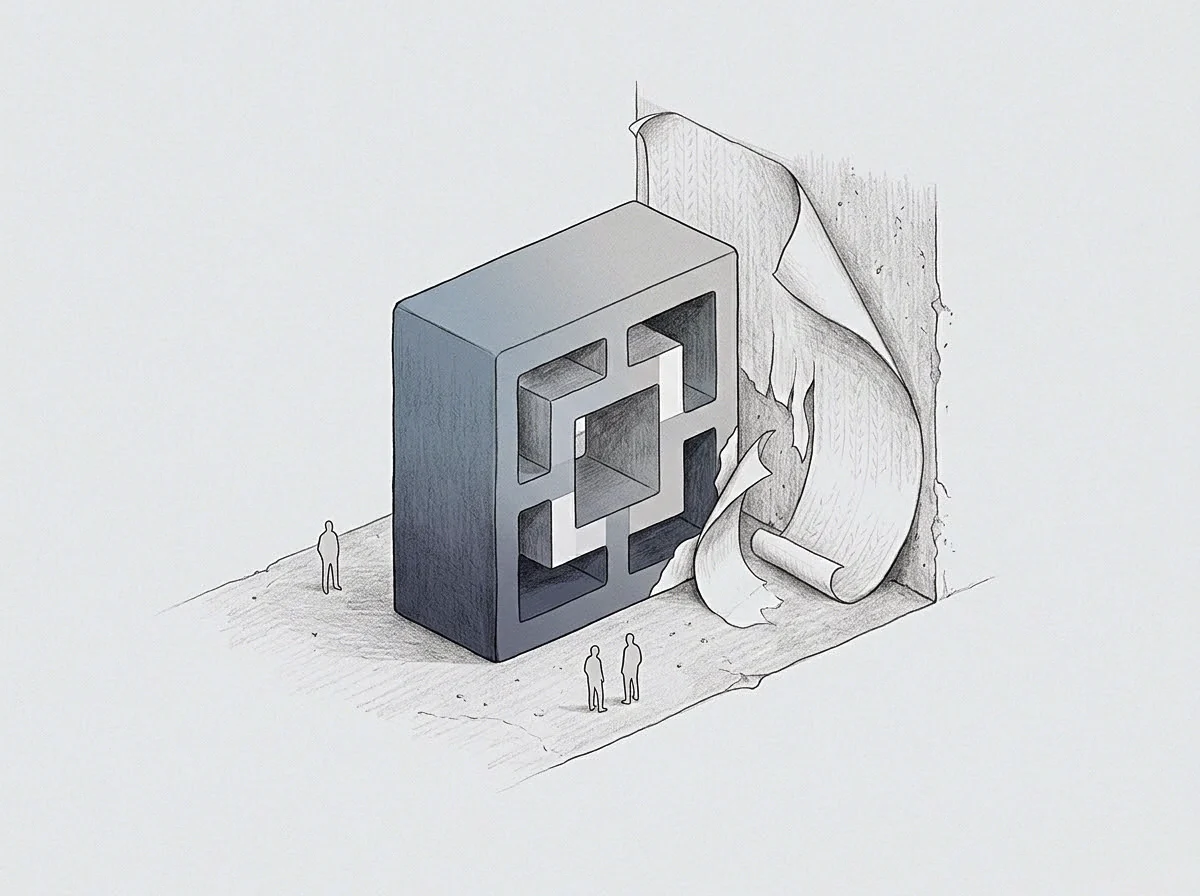
The Physiology of Receptive Collapse
Prolonged isolation under continuous operational pressure alters the autonomic nervous system by dismantling the receptive pathways that process external down-regulation. The brain balances metabolic demands by adjusting neural investment to immediate environmental conditions. When an operator spends years managing enterprise solvency, personnel threats, and structural survival without a stabilizing external presence, the ventrovagal complex down-regulates its own receptive capacity.
The neural circuits responsible for social engagement, specifically unmyelinated post-ganglionic parasympathetic relays and myelinated supradiaphragmatic vagal branches, consolidate into a defensive state. External offers of support then register as metabolic demands rather than subsidies.
Incoming attempts at co-regulation trigger immediate sympathovagal co-activation. The isolated operator experiences proximity as unbudgeted sensory input that demands active monitoring, classification, and defensive posture. This physiological state changes how the brain values proximity.
A nervous system adapted to total self-regulation treats an offer of presence as an uncalibrated sensory burden.
The receptor slot represents the physiological capacity to accept another person’s stable autonomic state as a metabolic subsidy. When this slot collapses, the operator carries the entire cost of allostatic regulation alone. Metabolic reserves drain through continuous activation of the hypothalamic-pituitary-adrenal axis, sustaining elevated plasma cortisol alongside peripheral vasoconstriction.
Interpersonal transactions become an outward expenditure of energy.

The Shift in Basal Tone
Sustained vigilance reconfigures the basal tone of the sinoatrial node. The intrinsic firing rate of the cardiac pacemaker remains uninhibited by the parasympathetic brake, which raises resting heart rates and flattens respiratory sinus arrhythmia. This structural adaptation preserves hyper-vigilant readiness at the expense of social baseline integration.
Misinterpreting this physiological closure as a psychological attitude risks the permanent calcification of solitary regulatory pathways, accelerating vascular wear and forcing the executive network into perpetual compensation.
Suppression
Afferent Signaling and Central Gating
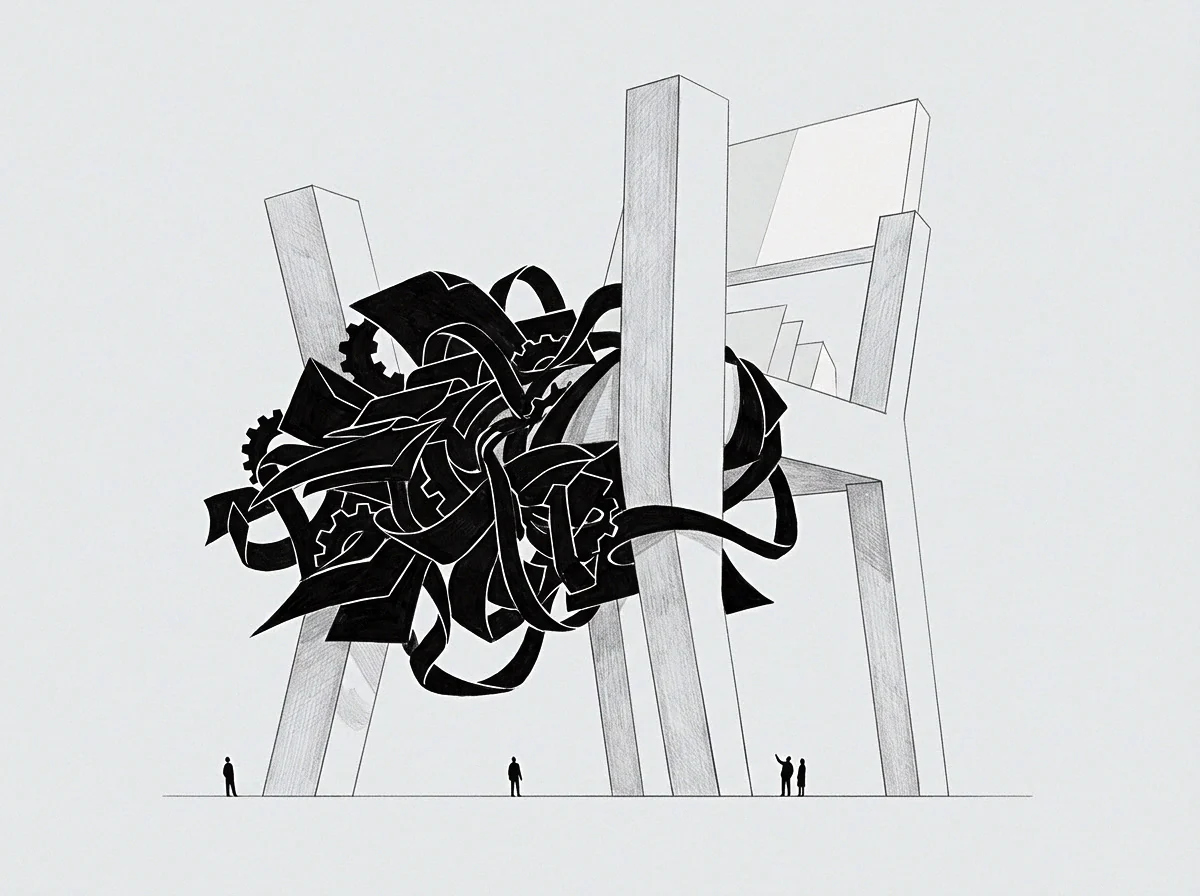
Interoceptive afferents traveling through the solitary tract constantly deliver bodily state signals to the insular cortex. During extended periods of solo operation, these interoceptive streams tune strictly to threat indices: fluid balance deficits, micro-arousals, muscle tension patterns, and sleep fragmentation. Receptive afferent signals that indicate physical safety or relational buffering face selective suppression at the thalamic and insular levels.
The Central Autonomic Network actively depresses the gain on afferent social cues. Eye contact, prosodic vocal contours, and relaxed physical posturing from colleagues fail to cross the sensory gating threshold. The brain classifies these inputs as secondary background noise while maintaining hyper-responsive readiness for operational variances.
Social baseline theory establishes that solitary metabolic budgeting consumes primary caloric reserves at double the rate of co-regulated equilibrium.
This suppression mechanism protects the hyper-vigilant operator from distraction during critical execution periods. The trade-off remains quantifiable across several physiological indices.
| Physiological Parameter | Hyper-Vigilant Solo State | Restored Co-Regulated State |
|---|---|---|
| Vagal Brake Efficiency | Low post-ganglionic tone with rapid brake withdrawal | Sustained myelinated vagal inhibition on sinoatrial node |
| Interoceptive Gain Gating | Suppressed safety afferents with selective threat magnification | Balanced insular integration of somatic safety signals |
| Allostatic Caloric Overhead | Continuous unbuffered glucose utilization across executive networks | Shared metabolic load distributed through baseline proximity |
| Neuropeptide Sensitivity | Oxytocin and vasopressin receptor internalization in central nuclei | Functional membrane density across reward and calm circuitry |
Receptor Internalization and Molecular Resistance
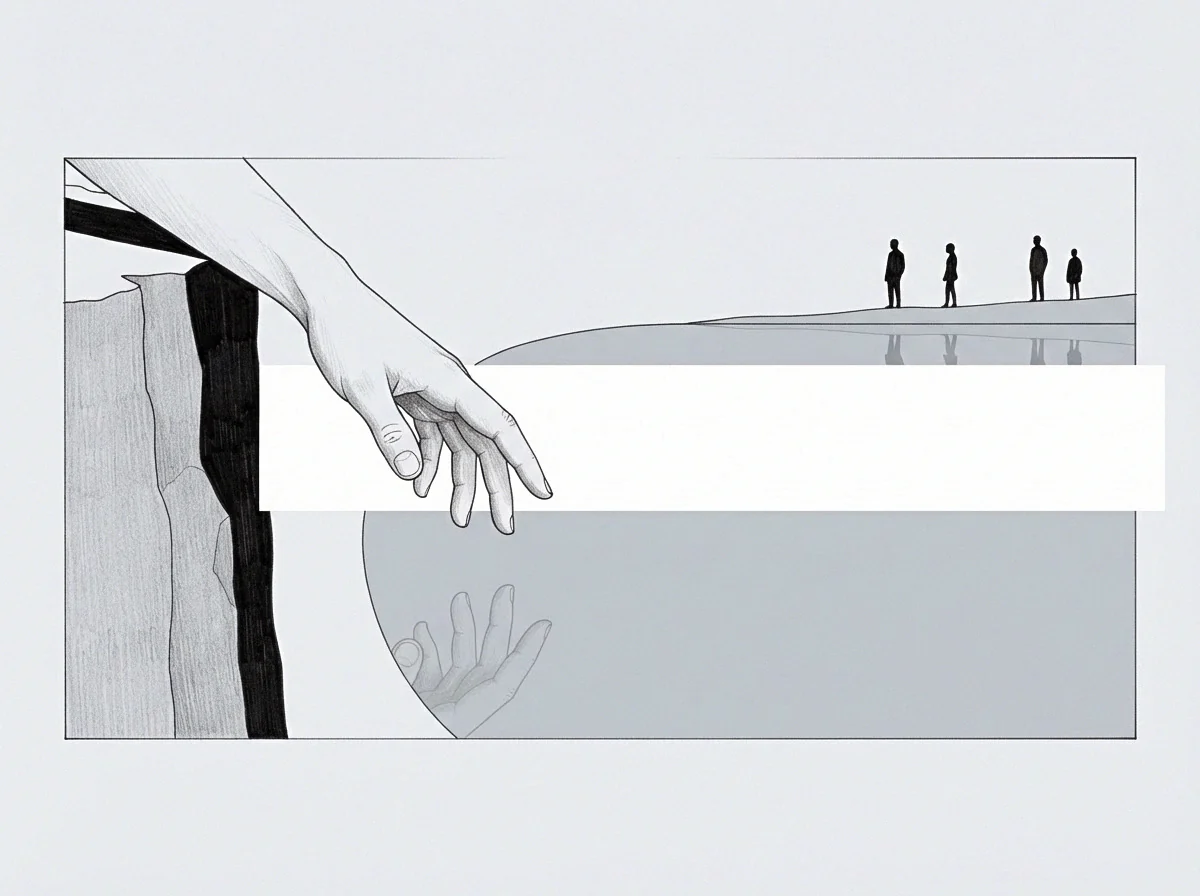
At the biochemical tier, prolonged isolation combined with high glucocorticoid exposure drives the endocytosis of oxytocin and vasopressin receptor populations in the amygdala and nucleus accumbens. The physical receptors leave cell membranes, reducing the cellular surface area available for binding prosocial neuropeptides. Even when an external party provides sustained, non-threatening attunement, the cellular machinery required to translate that presence into somatic stabilization is physically absent.
The molecular recovery timeline for G-protein coupled receptor re-insertion remains uncertain when systemic cortisol levels stay elevated during post-operational transitions.
Circuit

Rebuilding the Supradiaphragmatic Loop
Restoring the receptor slot requires systematic physical re-engagement of the myelinated vagal circuit. The process cannot begin with verbal insight or cognitive reframing. Cognitive processing operates through the prefrontal cortex, which lacks direct downward control over the primary brainstem nuclei that determine autonomic safety thresholds.
Rebuilding requires bottom-up somatosensory conditioning.
The sequence begins with non-evaluative proximity. The operator spends dedicated blocks of time in the presence of another stable nervous system without task demands, performance evaluations, or communicative mandates.
- Passive Somatosensory Attunement provides silent spatial proximity where neither participant requires operational output, allowing unmyelinated vagal fibers to register physical presence without defensive recruitment.
- Prosodic Vocal Entrainment introduces low-frequency auditory inputs that stimulate the middle ear muscles, linking the tensor tympani and stapedius to the facial nerve and dorsal motor nucleus.
- Shared Visuomotor Coordination activates joint attention networks through non-competitive physical tasks, bypassing prefrontal threat monitoring and engaging the social coordination complex.
A rule of thumb for autonomic recovery states that receptive capacity rebuilds only at the speed of non-demanding physical presence.
The partner supplying the co-regulatory field pays a distinct physiological cost. That person absorbs the ambient tension of the hyper-vigilant individual while maintaining their own parasympathetic stability. When the stabilizing party falters, the nascent loop collapses back into defensive isolation.

The Energetics of the Provider
The provider in this dynamic functions as an external pacemaker. Holding a steady vagal tone in the presence of an unstable autonomic system demands continuous energy expenditure. The provider’s brain actively expends glycogen to suppress sympathetic contagion and maintain steady cardiac rhythms.
Steady physiology sustained across repeated interactions without performance demands eventually resets the threat baseline.
Calibration
Which Conditions Permit Receptive Expansion?
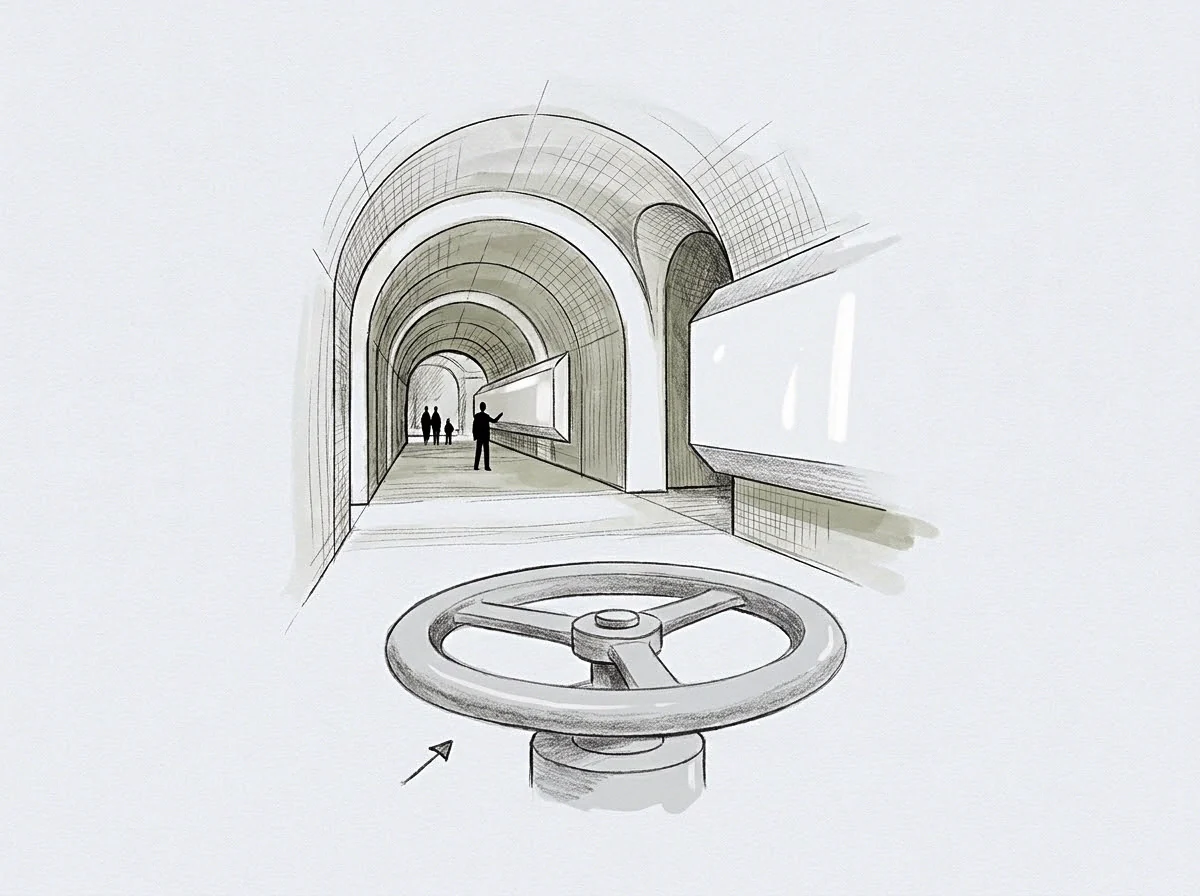
Receptive capacity returns only when external interactions meet strict structural parameters. The nervous system measures stability through environmental predictability, temporal consistency, and the absence of covert operational expectations. Any hidden demand for gratitude, vulnerability, or immediate relational improvement causes the fragile receptor slot to close immediately.
The transition from solitary regulation to shared regulation involves three concrete operational phases.
- Threshold Desensitization establishes short periods of co-presence where the operator remains entirely in charge of spatial distance and departure options.
- Afferent Acceptance occurs when the insula registers physiological down-regulation from an external presence without activating the dorsal anterior cingulate cortex threat alarms.
- Reciprocal Equilibrium stabilizes when the operator alternately gives and receives autonomic baseline regulation without experiencing total metabolic depletion.
During these phases, the operator periodically experiences sharp autonomic recoil. The somatic shift of relaxing defensive vigilance produces a sudden compensatory burst of anxiety. The nervous system interprets rapid relaxation as acute vulnerability, prompting an immediate urge to re-isolate or manufacture an operational crisis.
The earned security protocol establishes that consistent somatic containment over 12 to 18 months yields measurable structural remodeling of prefrontal-amygdala connectivity.
Interface

The Permanent Structural Delta
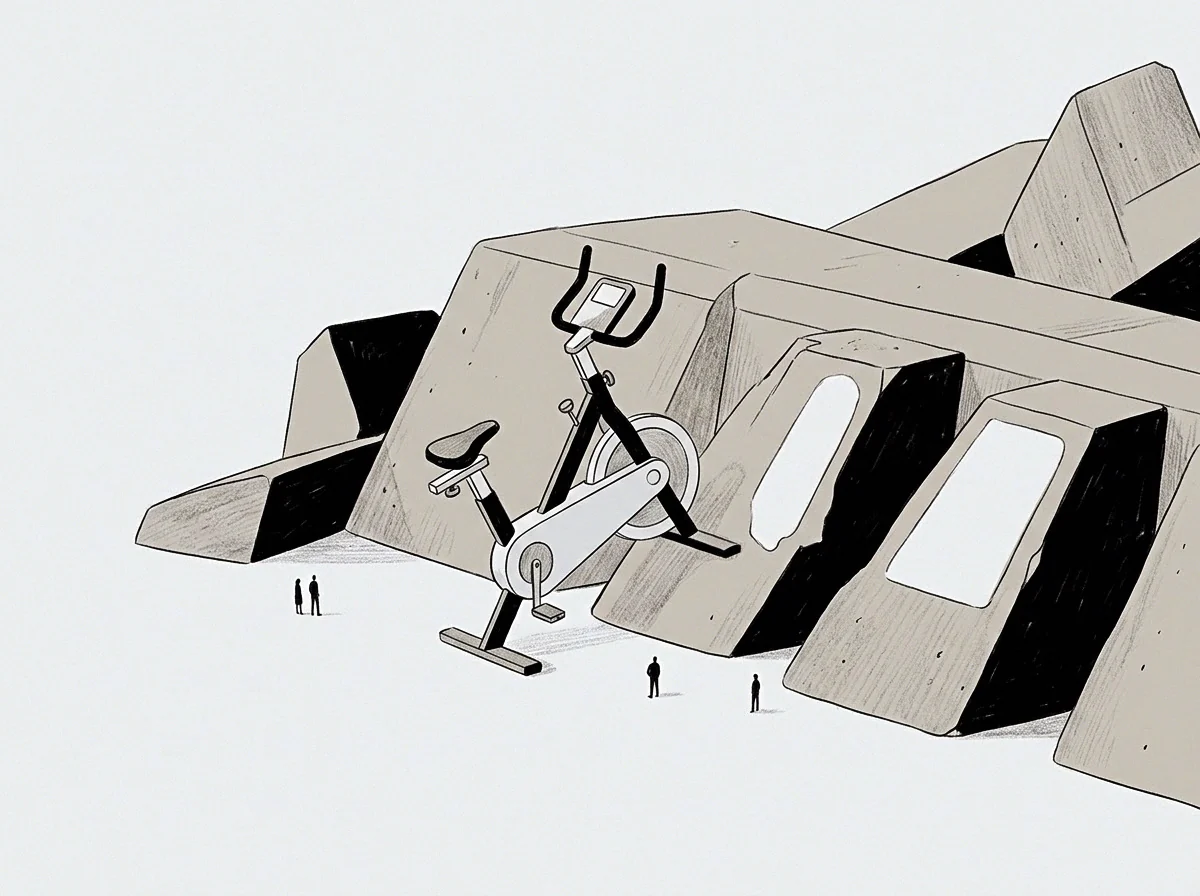
An operator who survived years of isolated hyper-vigilance rarely returns to an unconditioned baseline state. The neurobiology retains a permanent physiological record of solitary survival. The reconstructed receptor slot operates alongside a sensitized threat detection network, forming the post-isolation autonomic interface.
Nervous system reconstruction builds sufficient parasympathetic headroom so that choosing between solitary and shared regulation becomes an intentional executive selection rather than a compulsive autonomic reflex. The operator develops a secondary regulatory template. This second template allows metabolic costs to decline in the presence of reliable partners while preserving the capacity for solitary self-containment under severe operational demands.
Capacity expands through physical practice rather than cognitive intent. The autonomic nervous system accepts reality as it is somatically encountered across time, reallocating metabolic resources as consistent environmental stability shows that solo survival is no longer the sole viable mode of existence.