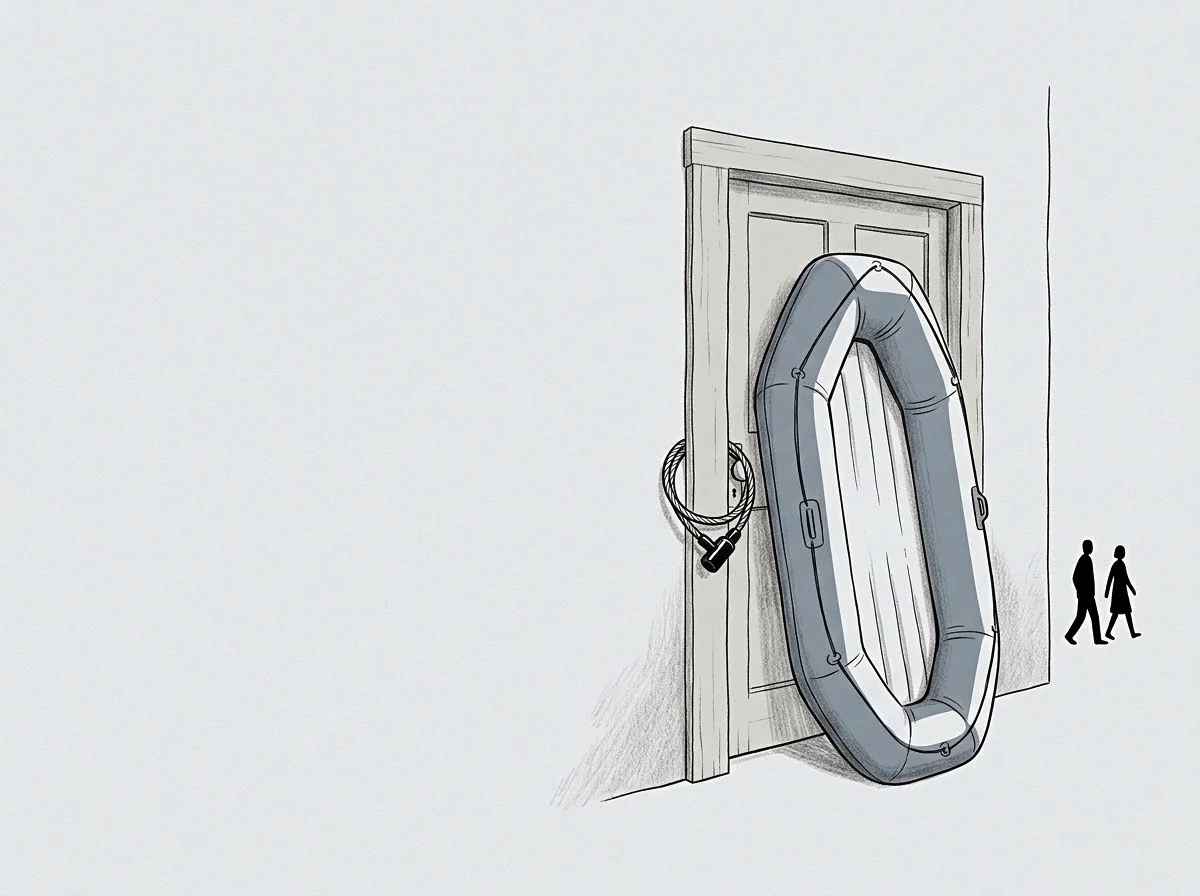
Meaning
Physiological downregulation of the stress response system occurs following chronic exposure to high-pressure environments. Hypothalamic attenuation takes place when the brain attempts to protect itself from the toxic effects of prolonged cortisol elevation. It is a defense mechanism that results in a blunted emotional and physical reaction to new stimuli.
Biological Shielding
Reducing the sensitivity of hormonal receptors prevents further damage to neural tissues. While hypothalamic attenuation provides short-term relief from anxiety, it also lowers the drive to perform. The person feels numb to consequences that previously triggered action.
Emotional Flatness
Blunting the endocrine response leads to a lack of enthusiasm for even successful outcomes. Because hypothalamic attenuation alters the internal feedback loop, the reward for achieving a goal is significantly diminished. This state is often mistaken for calm.
Systemic Cost
Maintaining a suppressed state of reactivity requires substantial metabolic energy and limits the ability to respond to genuine emergencies. Hypothalamic attenuation makes it difficult to ramp up the necessary intensity for sudden challenges. The body remains in a low-power mode that resists external demands.
This persistence creates a ceiling on the total effort an individual can apply to their work. It eventually leads to a state of chronic fatigue that requires a change in environment to resolve.