Meaning
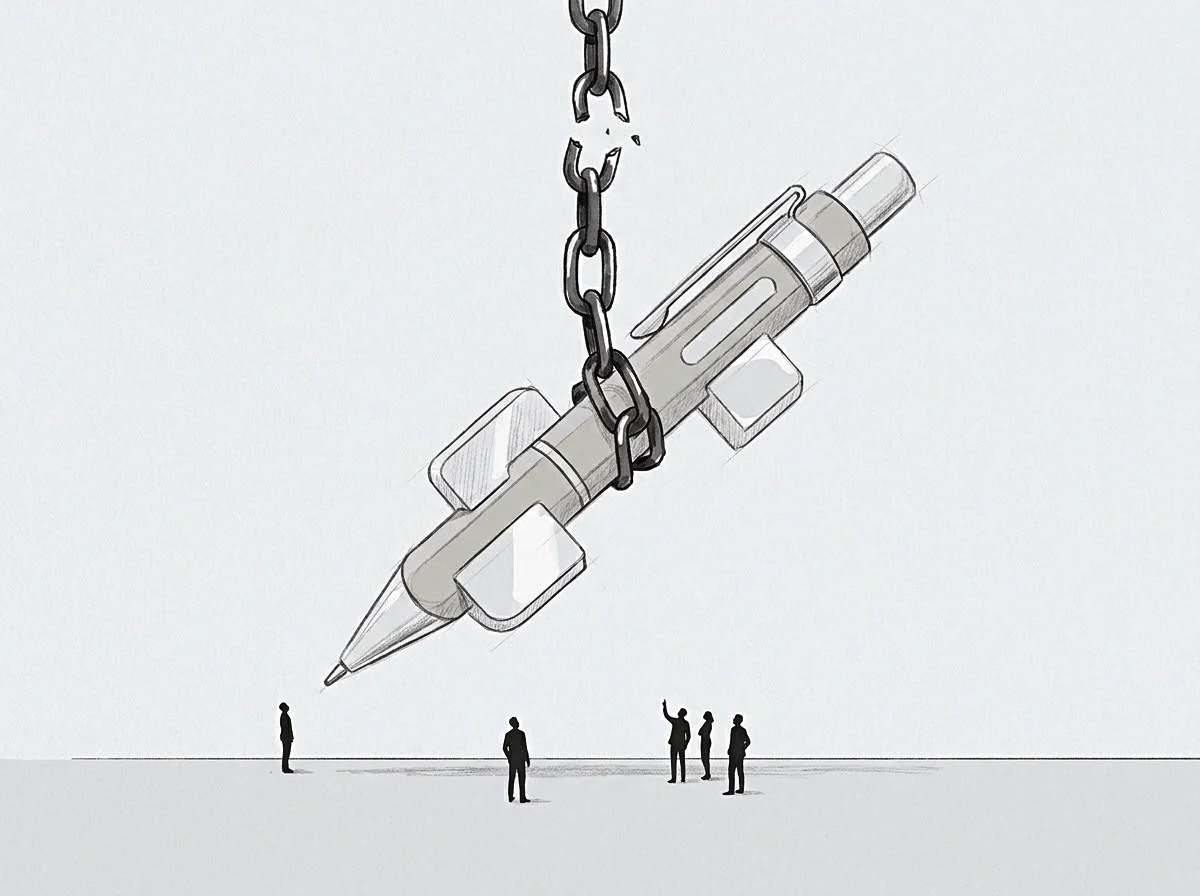
A procedural schema hardwired by formative operational crises governs real-time relational dynamics and threat detection without conscious mediation. In the wake of intense founding pressures, an implicit template organizes how an individual interprets ambiguity, hierarchy and authority across all subsequent professional ventures. These internal architectures form during high-stakes corporate survival, encoding emergency defenses into default interpersonal assumptions.
The automated model operates beneath declarative thought, categorizing routine collaborative friction as an existential contest for institutional control. Such automated patterns remain active until deliberate behavioral disconfirmation recalibrates the underlying nervous system associations.
Latent Architecture
Subconscious conditioning establishes rigid neural rules that dictate automated responses to authority figures and operational dependencies. An implicit template reads delayed communications, casual executive queries or board oversight through the lens of past betrayals. When an investor requests performance documentation, the internal model flags the administrative inquiry as hostile surveillance.
Autonomic defenses mobilize automatically, elevating pulse rates and generating defensive postures before conscious logic can assess the actual context. The individual acts to protect autonomy against threats that exist solely as historical residue.
Behavioral Transference
Automated emergency patterns distort subsequent enterprise structures by recreating the very power dynamics they initially evolved to survive. Guided by an implicit template, a leader constructs operational environments characterized by obsessive monitoring, sudden dismissals and hyper-vigilant gatekeeping. The founder imposes immense coordination taxes on team members, demanding proof of absolute loyalty to quiet an internal threat engine.
This defensive posturing repels mature managers who refuse to operate within an ambient field of inherited trauma. Consequently, the organization attracts dependent subordinates who reinforce the leader’s belief that catastrophe looms without total micro-control.
Invariance Boundary
Procedural models resist standard rational persuasion because their roots reside in autonomic survival conditioning rather than intellectual conviction. An implicit template yields only when the individual experiences repetitive operational crises wherein old protective reactions are deliberately suspended without catastrophic consequence. Experiencing shared risk without betrayal provides the precise neurological disconfirmation needed to alter automated expectations.
Without sustained exposure to non-punitive governance, the original survival architecture governs organizational conduct indefinitely.