
Relational Working Model Breakdown When Borrowed Regulation Capacity Runs Out
When borrowed regulation capacity empties, the primary regulator's internal working model snaps, forcing autonomic throttling and relational detachment.
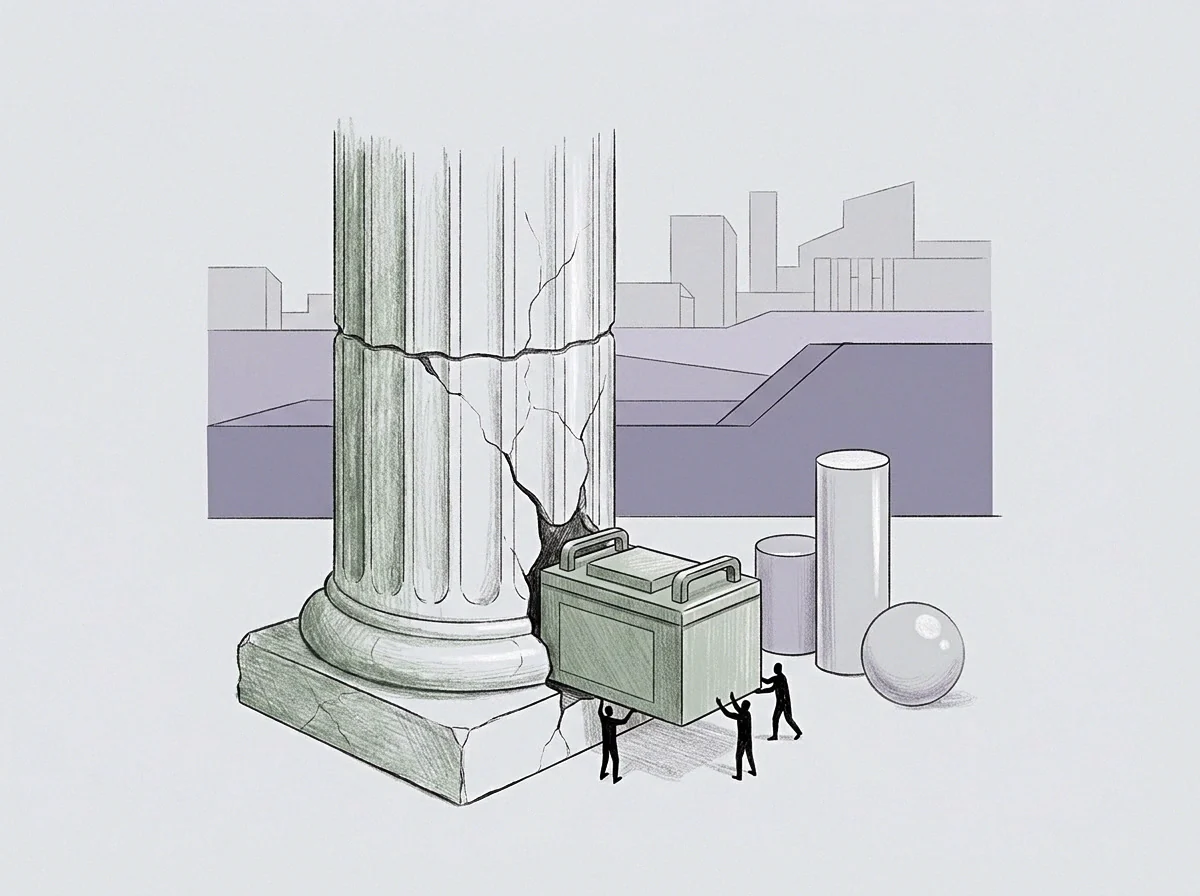
Gate
Four unread messages sit open on a dark desktop screen, illuminated at midnight. After thirty-six months of continuous operational stress, the physical body reaches an absolute ceiling. A founder sits in an empty chair, staring at pings from a co-founder, an investor, and two senior directors.
Every message carries a silent expectation of steady direction, calm reasoning, and somatic grounding. For three years, those counterparties relied on the founder as an unacknowledged emotional buffer. They did not manage their own operational panic, but routed it to the founder, whose steady tone lowered their autonomic arousal.
Borrowed regulation functioned silently while internal capacity remained; on this night, that capacity hits absolute zero.
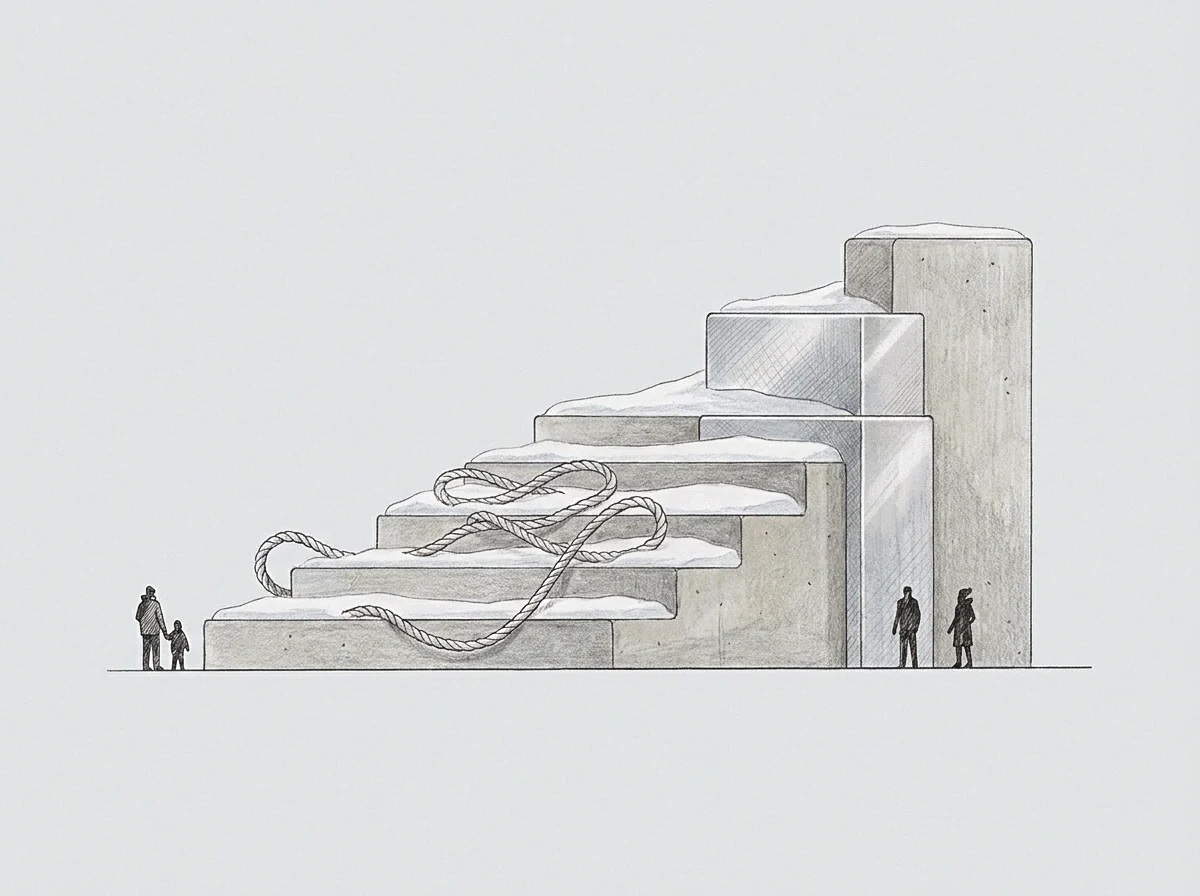
Autonomic Convergence At Metabolic Ceiling
The nervous system budgets energy around perceived proximity to a reliable secondary actor. Under social baseline theory, human brains treat social proximity as the primary ecological baseline, offloading metabolic regulatory effort whenever a reliable, calm person is present. Social proximity reduces neural metabolic load, whereas self-regulation alone demands heavy energy.
When a founder or primary operator acts as the stable anchor for an organization, counterparties draw continuously on that operator’s autonomic stability. The regulator absorbs incoming threat signals from the environment and stabilizes the room through voice tone, posture, and delayed reaction times.
Absorbed physiological stress accumulates over time rather than disappearing when someone maintains outward composure. The body carries allostatic load across months of high expenditure, drawing down glycogen reserves, disrupting sleep architecture, and elevating systemic cortisol. Counterparties view the regulator as an infinite reservoir of calm stability, assuming an unshakeable disposition without realizing they are drawing active metabolic energy from a finite physiological budget.
Four unread messages at midnight signal that the baseline person has reached autonomic exhaustion.
When internal reserves reach total depletion, the brain can no longer spend metabolic energy synthesizing calm for others. The physiological buffer collapses quickly. Rather than transitioning gracefully from calm to mildly stressed, the underlying neural budget hits a structural limit that triggers immediate protective mechanisms.
The capacity to lend regulation vanishes entirely, leaving the individual in acute physiological deficit.
Continuing to act as an unbuffered regulatory baseline without active headroom forces the nervous system into abrupt physiological shutdown.
Wire
Early environmental conditions shape how an individual manages internal distress. When a child learns that primary caregivers are unstable, erratic, or overwhelmed, adaptation reverses the natural flow of co-regulation: the child suppresses personal distress signals and focuses on stabilizing the caregiver to secure basic safety. This adaptation establishes a backward internal working model.
Structural Mechanics Of The Backward Template
An internal working model forms during repeated developmental interactions with primary attachment figures. In typical development, a child experiences distress, signals the caregiver, receives somatic co-regulation, and internalizes a template of a responsive other, learning that distress is safe, temporary, and resolvable alongside another person. In a backward working model, this process runs in reverse.
The individual learns that personal distress destabilizes the environment, while regulating the external actor creates temporary predictability, merging self-regulation and external regulation into a single operation.
Someone operating on a backward template enters adulthood equipped to lead under pressure, excelling in high-stakes seats because stabilizing panicking counterparties feels familiar. The founder, managing director, and primary partner seats naturally attract people with these templates. Because strength under stress draws additional strain, organizations, co-founders, and employees attach to the regulator’s stable state, using that nervous system as an external buffer for their own operational anxiety.
The Empty Receptor Slot
A person who regulates others learns to equate emotional baseline stability with operational performance. The backward working model contains detailed instructions for absorbing external dysregulation, but lacks a structural receptor slot for receiving support. When a counterparty offers presence, comfort, or assistance, the backward regulator registers the gesture as an anomaly or an operational threat, because accepting regulation requires opening a channel that the template classifies as unsafe.
The backward regulator operates across three distinct functional states during operational load:
- Absorptive regulation takes external dysregulation into one’s own system to stabilize the room, converting incoming anxiety into personal somatic expenditure.
- Self-contained suppression prevents any outward signal of distress to maintain perceived baseline stability for operational counterparties.
- Unidirectional baseline anchor positions the individual as a continuous sink for relational anxiety without broadcasting personal regulatory deficits.
When an internal working model relies entirely on external stabilizing, metabolic reserve depletion triggers immediate structural collapse.
The receptor slot remains empty. Because the backward regulator cannot receive co-regulation, every unit of internal calm must be generated through isolated metabolic effort. Borrowed regulation flows exclusively outward.
Over years of organizational growth, this continuous balance of trade remains heavily negative, exhausting the underlying autonomic tissue until the template can no longer sustain the fiction of infinite stability.
Because the baseline person appeared unaffected by stress, sudden withdrawal reads to counterparties as an unprovoked refusal.
Plank
Continuous incoming demands test the metabolic reserves of the designated baseline person. While healthy relational structures maintain reciprocal regulation, structures built on borrowed regulation treat the baseline person as a static utility, supplying continuous emotional ballast to counterparties who make no equivalent metabolic contribution.
Which Signal Marks The Exhaustion Of Borrowed Calm?
Operational counterparties notice subtle shifts in communication rhythm long before systemic breakdown occurs. When regulatory capacity runs low, the operator can no longer afford the metabolic expenditure needed to soften directives, reassure anxious partners, or participate in lengthy emotional processing. Autonomic throttling takes over: messages become short, flat, and strictly informational.
Reassurances stop, replaced by minimal operational facts, while incoming pings receive no immediate answer.
Throttling protects remaining metabolic reserves. Counterparties accustomed to borrowing calm experience this change as sudden emotional withdrawal, and increase ping frequency to test the connection and re-establish their baseline. This unintentionally adds load to reserves that are already at zero, turning every ping into a direct somatic drain on a depleted nervous system.
| Operational Criterion | Baseline Capacity State | Depleted Capacity State |
|---|---|---|
| Response Latency To Incoming Pings | Immediate absorption and quiet stabilization within minutes | Extended delays followed by dry terse informational statements |
| Threat Budgeting Allocation | Co-regulation provided to counterparties at low somatic cost | Autonomic throttling activated to protect core physiological reserves |
| Relational Working Model Activity | Backward template successfully processes incoming threat signals | Internal working model snaps, causing acute relational detachment |
Field findings in affective neuroscience demonstrate that neural threat response drops sharply when an individual holds the hand of a trusted partner, provided the partnership is rated as high-quality. This finding rests on fMRI brain imaging measuring dorsal anterior cingulate cortex activity during threat anticipation across adult couples. What would move this finding is evidence showing identical neural attenuation in isolated individuals who practice cognitive reframing techniques.
Current empirical data confirms that cognitive self-soothing cannot match the metabolic efficiency of social co-regulation, leaving unborrowed regulation to demand double the energy.
A regulator proven under stress continuously attracts higher operational load until explicit limits are established.
When capacity expires entirely, the backward template collapses. The regulator can no longer absorb incoming threat or project external calm, dissolving the operational anchor and leaving both parties exposed to unbuffered environmental stress.
A stated availability term converts an implicit debt of endless presence into an explicit scheduling agreement.
Breach
When borrowed regulation capacity reaches absolute zero, systemic functioning shifts into emergency conservation. The internal working model snaps at the availability gate, forcing the regulator into acute detachment to preserve basic somatic integrity. This detachment is neither a conscious choice nor a tactical move, but a neurobiological protective response executed by the autonomic nervous system.
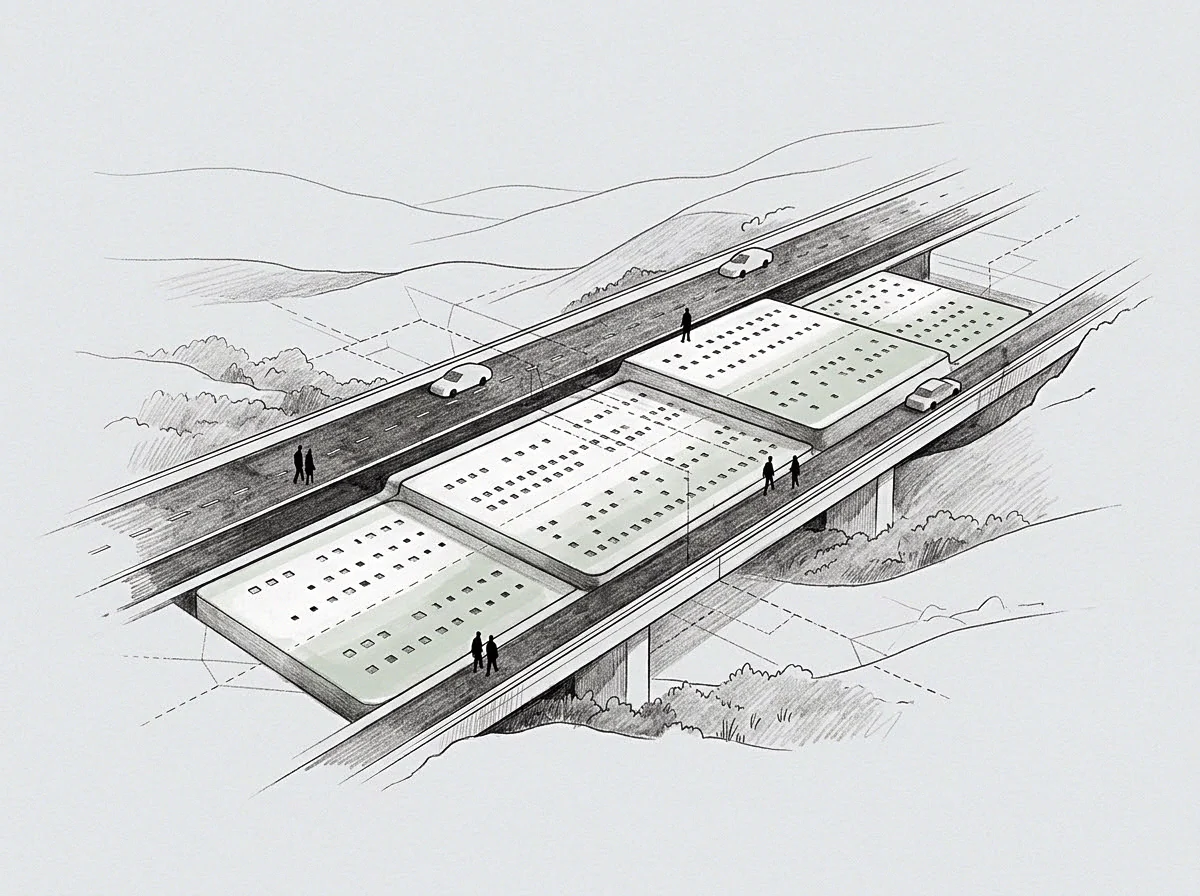
Relational Snap And Unilateral Detachment
The sudden removal of regulatory capacity leaves counterparties without an anchor, carrying their own unbuffered anxiety. Lacking internal tools to regulate independently, counterparties misinterpret the sudden unavailability: silence reads as intentional coldness, and autonomic throttling reads as hostility, betrayal, or calculated abandonment.
Counterparties escalate, demanding that the regulator explain the shift, apologize for the distance, or restore previous levels of availability. This creates a severe mismatch, requiring more emotional engagement at the exact moment when the regulator has zero metabolic capacity to produce it, driving the interaction into relational rupture.
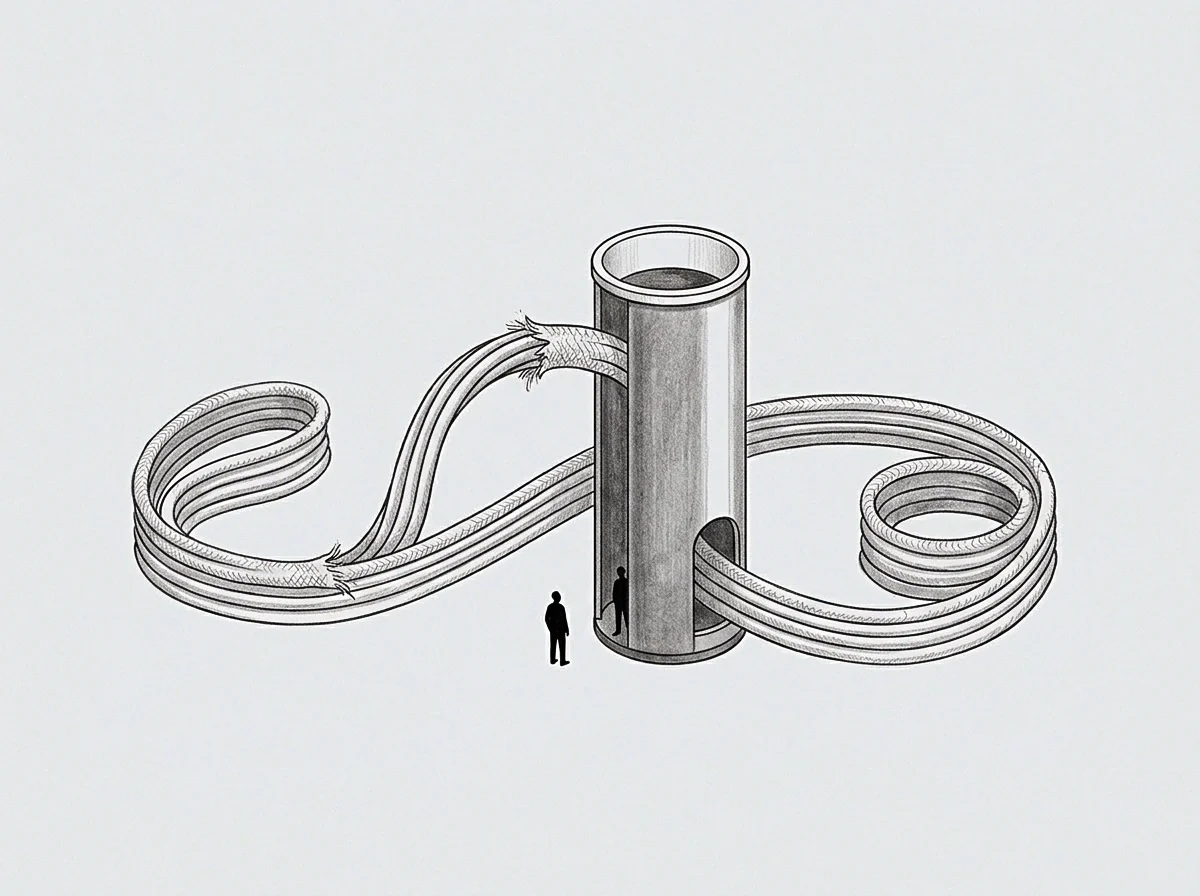
Misinterpretation Of Autonomic Throttling
Counterparties rarely possess the observational tools to identify autonomic depletion in someone who previously appeared unflappable. They interpret the state through standard intentionality frameworks, assuming every behavioral shift reflects a deliberate attitudinal change. The dynamic shifts through three stages during a systemic breakdown:
- Incoming relational pings meet a closed metabolic gate due to zero available co-regulation bandwidth.
- The counterparty perceives missing calm as personal rejection and escalates anxiety signals.
- The regulator enforces acute distance to prevent complete physiological exhaustion.
When borrowed regulation capacity reaches zero, autonomic throttling activates to preserve baseline systemic survival.
The regulator experiences escalated demands as invasive and destructive. Having spent years absorbing anxiety without receiving reciprocal support, deep resentment sets in. The backward template, which previously held self-regulation and external stabilizing together, fractures under this weight as the operator realizes the relationship was sustained by unilateral somatic expenditure.
The baseline person steps completely off the field.
It remains uncertain whether a damaged relational contract can recover once a counterparty has experienced the complete removal of the borrowed baseline.
Rung
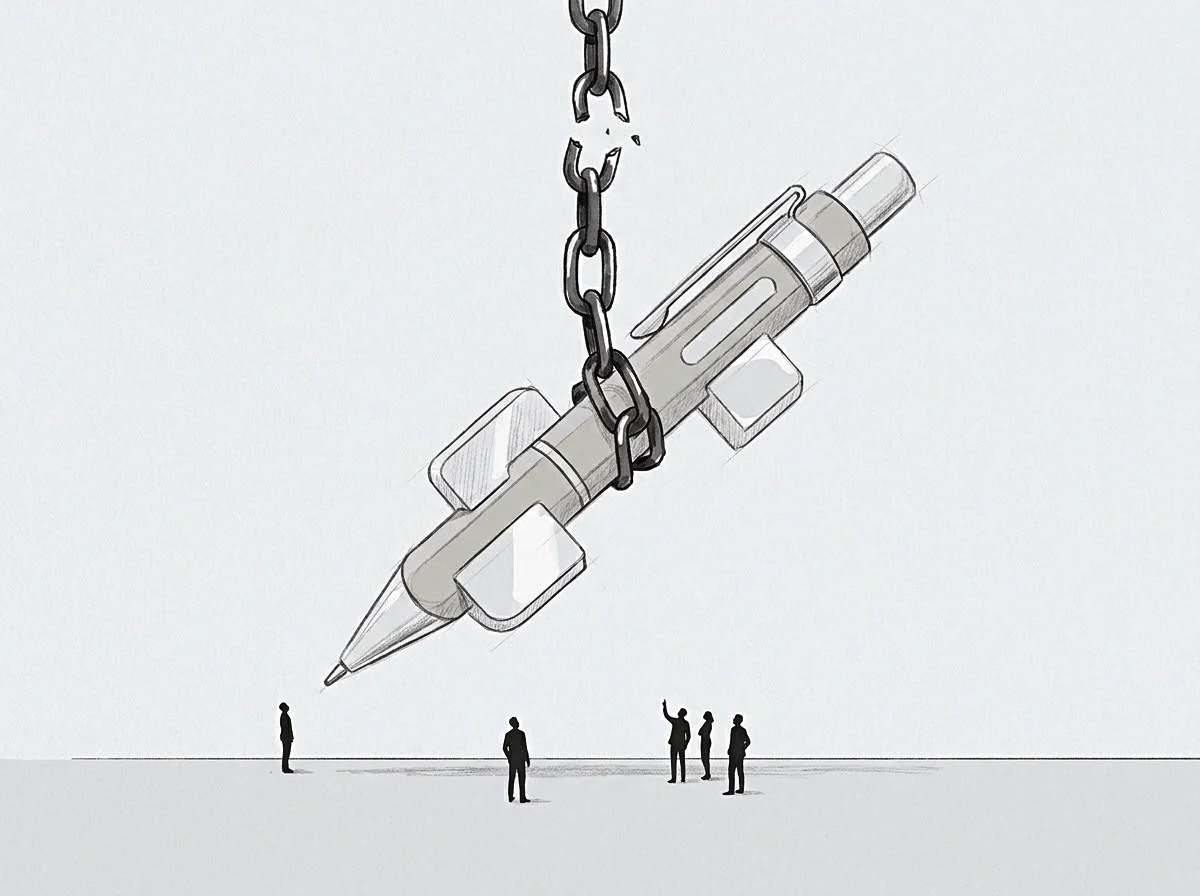
Updating an internal working model demands more than cognitive analysis or conceptual comprehension; an individual cannot simply think their way out of a backward template. Insight allows a founder or operator to label the dynamic, but does not alter the underlying autonomic response. The nervous system updates its working models exclusively through repeated, actual somatic experience over time.
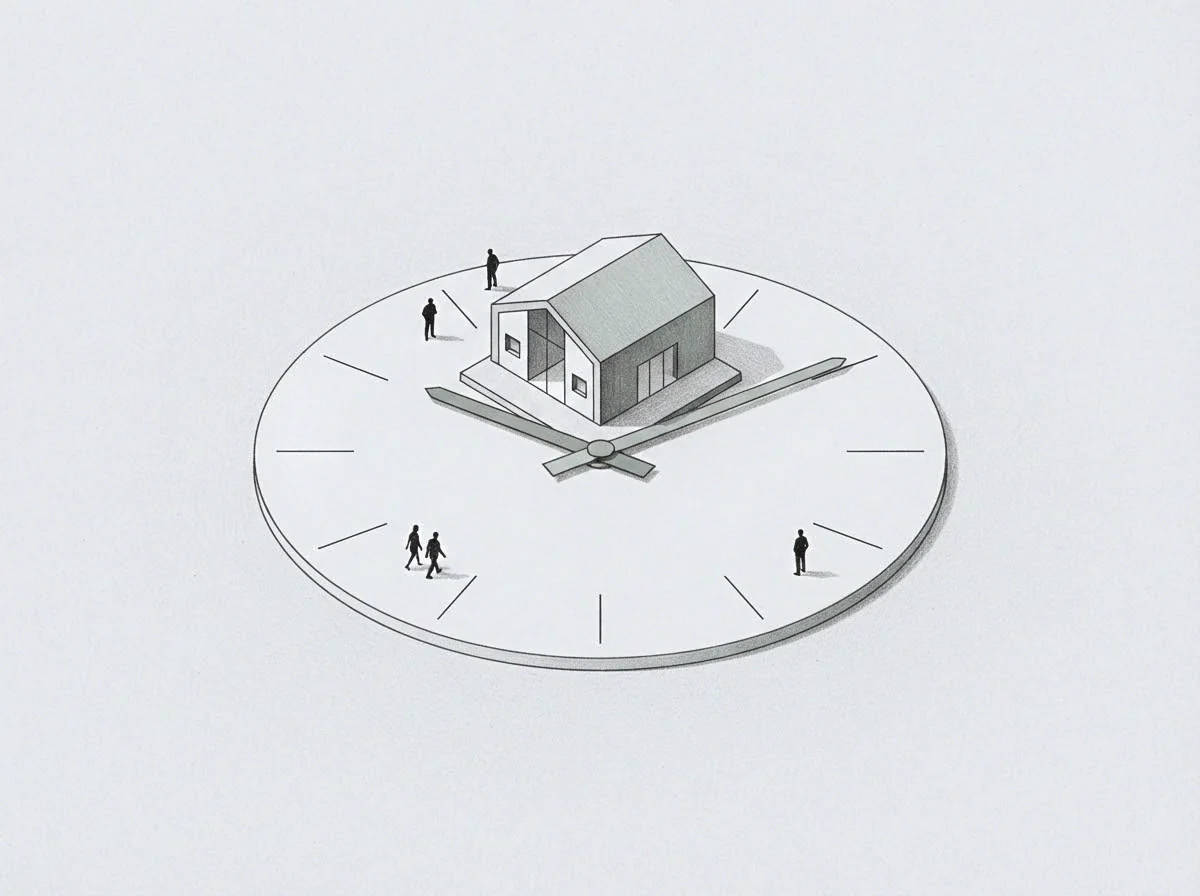
Somatic Experience And The Second Template
Neurological research demonstrates that implicit relational templates change through felt visceral safety rather than intellectual effort. Building earned security requires forming a second template alongside the old backward model through slow, intentional exposure to relationships where regulation is reciprocal, low-demand, and explicit. The body registers safety well before cognitive understanding.
Earned security develops when someone experiences consistent co-regulation without being required to supply baseline stability for the other party. Sitting in rooms with people who do not require emotional stabilizing work allows the nervous system to learn that broadcasting internal distress does not cause environmental destruction or relational abandonment.

Building The Receptor Slot
Constructing space to receive co-regulation involves building tolerance for shared physical presence. The regulator learns to accept non-demanding presence from trusted peers without attempting to fix, steady, or lead the interaction. The empty receptor slot grows through small, repeated instances of unearned support: a peer sitting nearby in quiet concurrence, an explicit agreement limiting meeting availability, or a partner managing panic independently.
The desk cannot fully defend the claim that every backward working model can build a functional receptor slot in high-pressure operational seats. Under this uncertainty, a careful operator establishes explicit structural terms around availability rather than relying on somatic updates alone. These terms state exact hours of presence, precise response windows for communication channels, and clear operational boundaries, preventing the implicit load-transfer system from re-engaging before the new internal template takes root.
Clear terms replace unspoken expectations, allowing the new template to update through practice. Over time, the delta between who is regulating and who appears calm narrows, restoring symmetry to the relational balance of trade. The primary regulator ceases to function as a borrowed utility and stands instead as a sustainable actor within a shared somatic baseline.
Repeated physical safety in shared presence updates an internal working model faster than intellectual insight.