Meaning
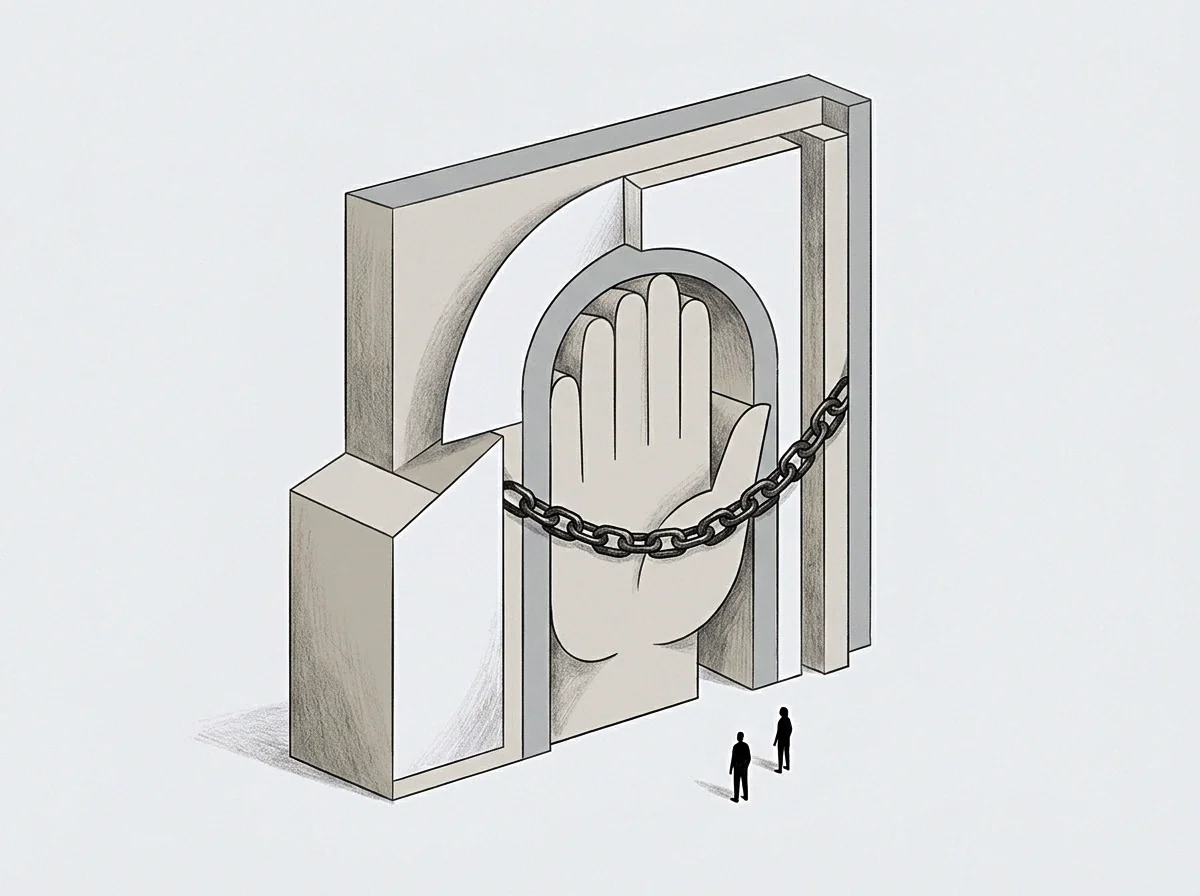
Procedural barriers that slow the entry of new requests or data into a system serve to protect the capacity of the operators. This intake friction is often a deliberate design choice intended to filter out low-priority or poorly defined tasks before they consume resources. It functions as a primary defense against the overwhelming volume of demands placed on a founder.
Protective Layer
Requirements for detailed documentation or specific formats create a hurdle for anyone submitting a request. By increasing intake friction, an organization ensures that only the most necessary tasks reach the execution stage. This reduces the total allostatic load by preventing the system from becoming clogged with trivial matters.
Capacity Management
Establishment of this resistance brings a perceived loss of responsiveness or agility. However, the absence of intake friction leads to a state where the founder is constantly reacting to every incoming signal regardless of its importance. Establishing these barriers allows for a more controlled and sustainable pace of work.
The friction acts as a regulator that balances the needs of external stakeholders with the internal limits of the team.
Filter Utility
Effective barriers distinguish between urgent needs and mere noise. High levels of intake friction are necessary when the system is operating near its maximum capacity.