Meaning
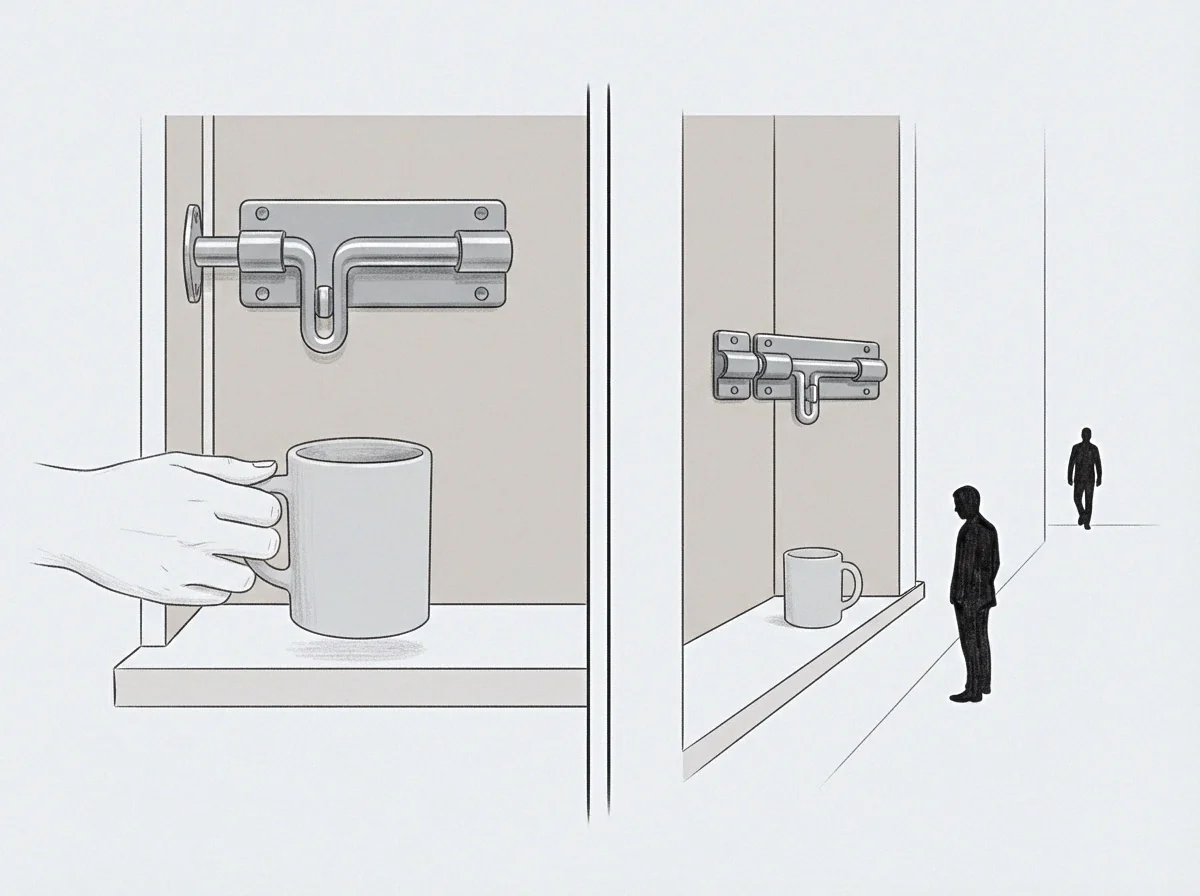
Sensory suppression describes a reduced awareness of internal bodily signals, such as hunger, fatigue, or heart rate. Often appearing during years of high-performance leadership, interoceptive blunting allows a person to ignore physical discomfort to focus on external goals. While useful for short-term survival, this state eventually leads to a disconnect between the mind and physical needs.
Signal Degradation
Feedback loss occurs when the brain begins to filter out noise from the body to prioritize external data. Under a state of interoceptive blunting, the individual might not notice they are exhausted until they physically collapse. They might also lose the ability to feel the physical cues associated with anxiety.
This lack of data makes it impossible to regulate one’s own stress levels effectively. The body is talking but the mind is no longer listening.
Relational Cost
Emotional distance follows the inability to sense one’s own internal state. Because interoceptive blunting dulls the physical sensations that underlie emotions, the person may appear detached or cold to others. Reconnecting with these internal signals is a key part of regaining empathy.
Restoration Practice
Awareness training focuses on rebuilding the neural pathways that carry signals from the body to the brain. Overcoming interoceptive blunting requires deliberate attention to small physical sensations, such as the feeling of breath or the tension in a muscle. This process slowly restores the individual’s ability to use their body as an early-warning system for stress.
Successful recovery involves learning to interpret the body’s subtle messages again.