Meaning
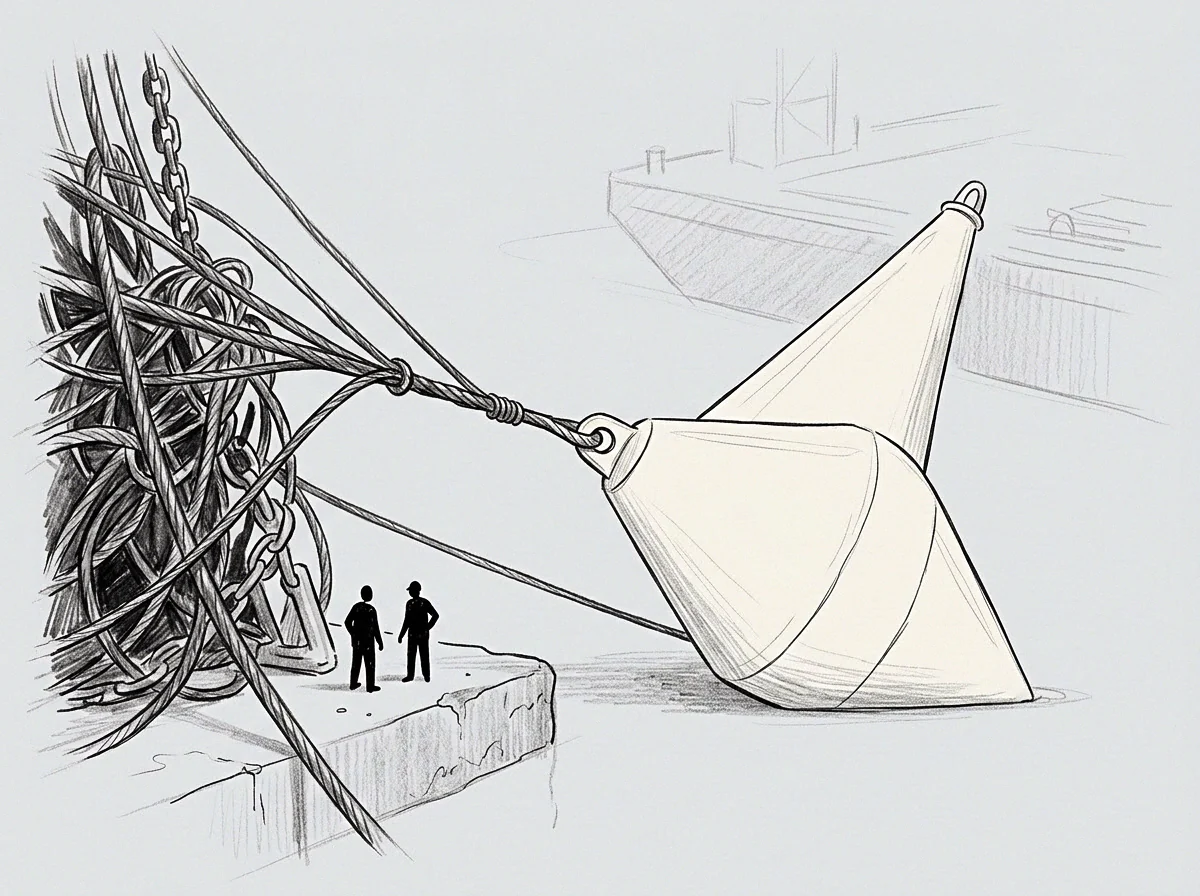
Attenuation of neuroendocrine stress responses achieved through close social ties acts as an external governor against psychological and physiological strain. Across demanding corporate environments, interpersonal buffering protects an operator by moderating the autonomic impact of adverse institutional feedback, market shifts or enterprise crises. The process functions through neurobiological pathways where trusted companionship dampens amygdala reactivity and suppresses excessive hypothalamic-pituitary-adrenal axis activation.
The buffering effect terminates when interpersonal exchanges introduce relational ambiguity, political maneuvering or secondary social evaluation.
Threat Attenuation
Close social support structures alter subjective threat valuation during periods of corporate exposure. Through interpersonal buffering, an operator exposed to aggressive litigation or critical cash drawdowns avoids sustained sympathetic dominance because a trusted confidant shares the emotional processing load. The presence of unconditional operational support suppresses acute cortisol release.
Physiological baseline recovery accelerates significantly after severe external shocks. Solitary operators deprived of this external shock absorber experience unmitigated physiological wear.
Proxy Resilience
Protective relational dynamics absorb executive shocks before cognitive degradation impairs critical decision pathways. In sustained crises, interpersonal buffering shields strategic focus by functioning as an external regulator that validates reality and filters out secondary anxieties. A trusted partner absorbs panic without echoing or amplifying it, providing steady perspective when balance sheet solvency faces imminent risk.
This shared regulatory burden frees executive attention for practical remediation, conserving mental stamina across extended turnaround efforts.
Contextual Boundary
Social insulation fails when institutional relationships become conditional on enterprise performance metrics. If interpersonal buffering is sought from board members, active investors or subordinate staff, the protective dynamic collapses into calculated impression management. The operator must spend social energy maintaining authority rather than offloading psychological strain.
Genuine physiological relief occurs exclusively inside non-evaluative relationships detached from corporate survival.