Meaning
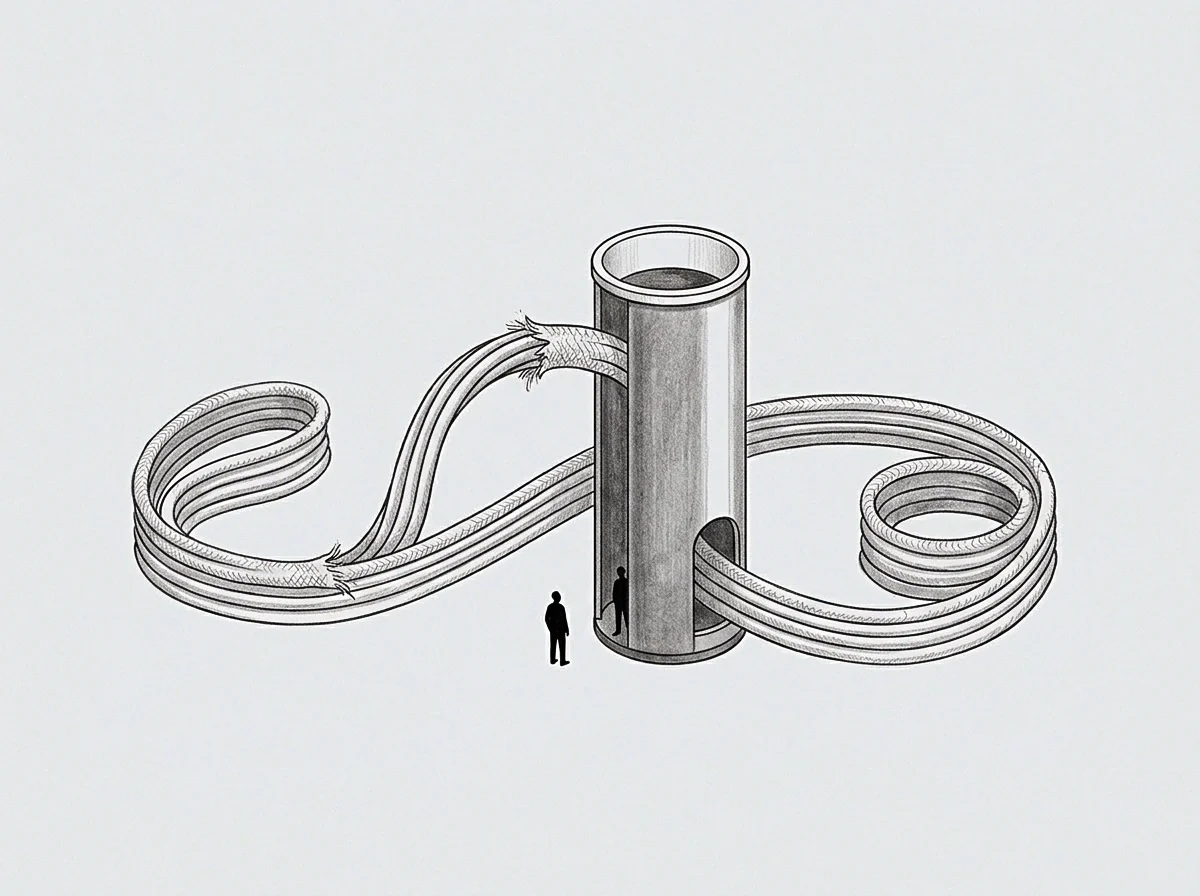
Concentration of critical relationships and strategic knowledge in one individual exposes an organization to sudden disruption. In the post-founding phase, key person risk represents the vulnerability of a venture to the sudden absence of its leader. This exposure limits the company’s valuation and makes it fragile to health crises, sudden departures, or competing personal commitments.
The boundary of this risk is defined by the degree to which operational workflows can function without the involvement of that founder.
Attention Allocation
Addressing this vulnerability requires the founder to invest substantial attention hours into systems and documentation. The leader must shift from execution to formalization, writing down operational playbooks and building succession plans. This transition consumes cognitive energy and reduces the time spent on immediate growth initiatives.
Over time, this investment builds organizational resilience.
Strategic Limit
Institutional investors restrict capital allocations to firms that fail to address this structural dependency. This restriction functions as a regulatory barrier, forcing early-stage companies to build out a deeper executive layer. The company must hire expensive secondary managers and share decision-making power to qualify for larger funding rounds.
Thus, failing to manage the risk acts as a severe ceiling on organizational scale, as the entire corporate structure remains constrained by the psychological and physical limits of a single individual.
Governance Shift
A structured board of directors manages this threat by implementing mandatory cross-training. By distributing key roles among multiple executives, the board secures the operational continuity of the firm. This policy ensures that the venture remains viable regardless of individual changes at the top.
The enterprise gains a durable structure that survives the loss of its creator.