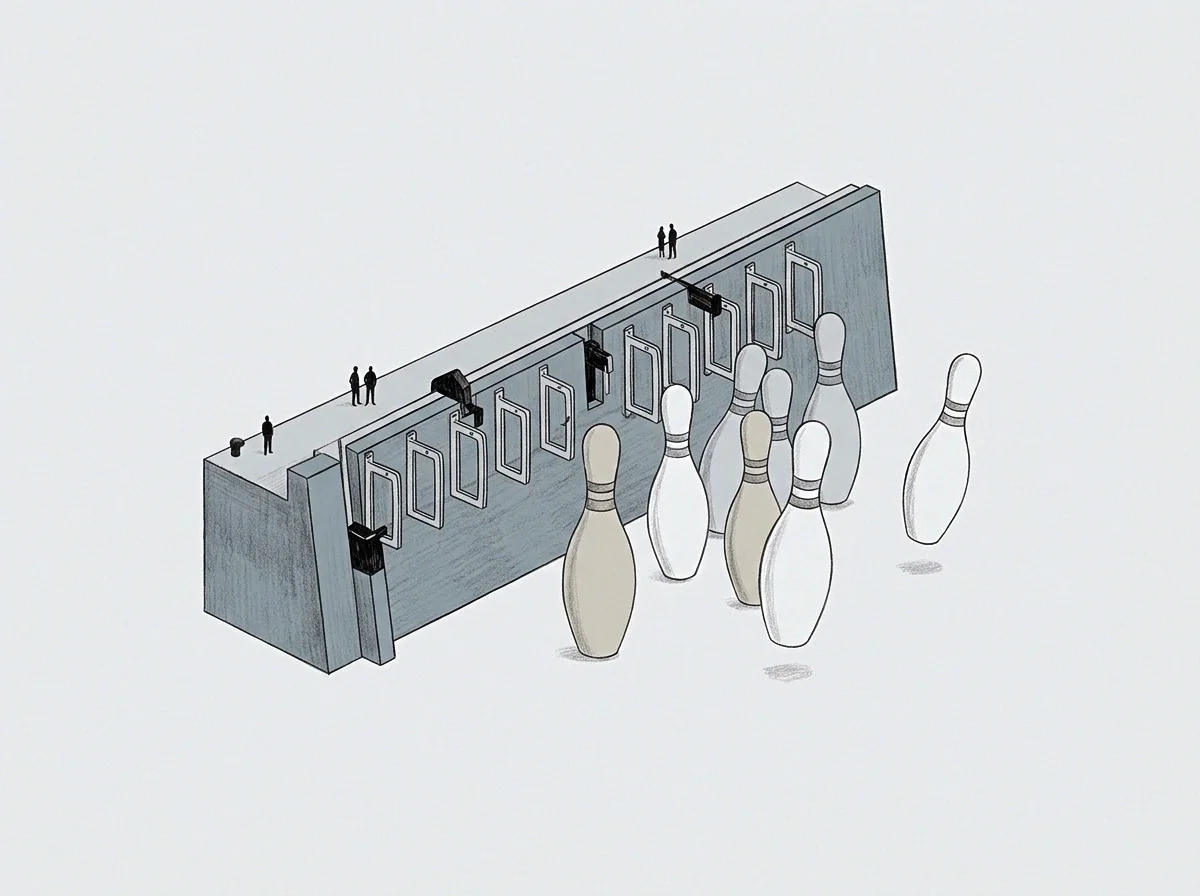
Meaning
Temporal sensitivity defines the upper bound of systemic delay allowed before an operation triggers a corrective reset. This latency parameter dictates the acceptable drift between a requested action and its completion in distributed decision environments. Systems exceeding this duration lose coherence because independent nodes begin operating on outdated state information.
Operating Constraint
Managers use the threshold to govern the frequency of signals sent to dependent teams. Strict limits reduce noise in communication channels but force participants to ignore minor fluctuations in external data. Higher thresholds permit more nuance in report generation yet consume excessive mental attention from the founder.
Adjusting the dial shifts the load from the network to the individual capacity of the operator.
Regulation Mechanism
Stated values function as an automatic buffer against the natural decay of information freshness. Once the signal transit time crosses the boundary, the receiving entity initiates a polling request to clarify the current status. This reset protocol prevents the accumulation of stale assumptions during periods of high organizational activity.
Constant verification maintains alignment without requiring manual intervention from leadership.
Decision Boundary
Concurrency failures arise when the limit stays too rigid for the prevailing environmental volatility. Rigid timing forces immediate abandonment of tasks that might have resolved given additional seconds. Flexible boundaries prevent unnecessary restarts but allow latent errors to propagate through the chain of command.
Proper calibration ensures the structure remains responsive without exhausting the operational energy of the primary decision maker.