Meaning
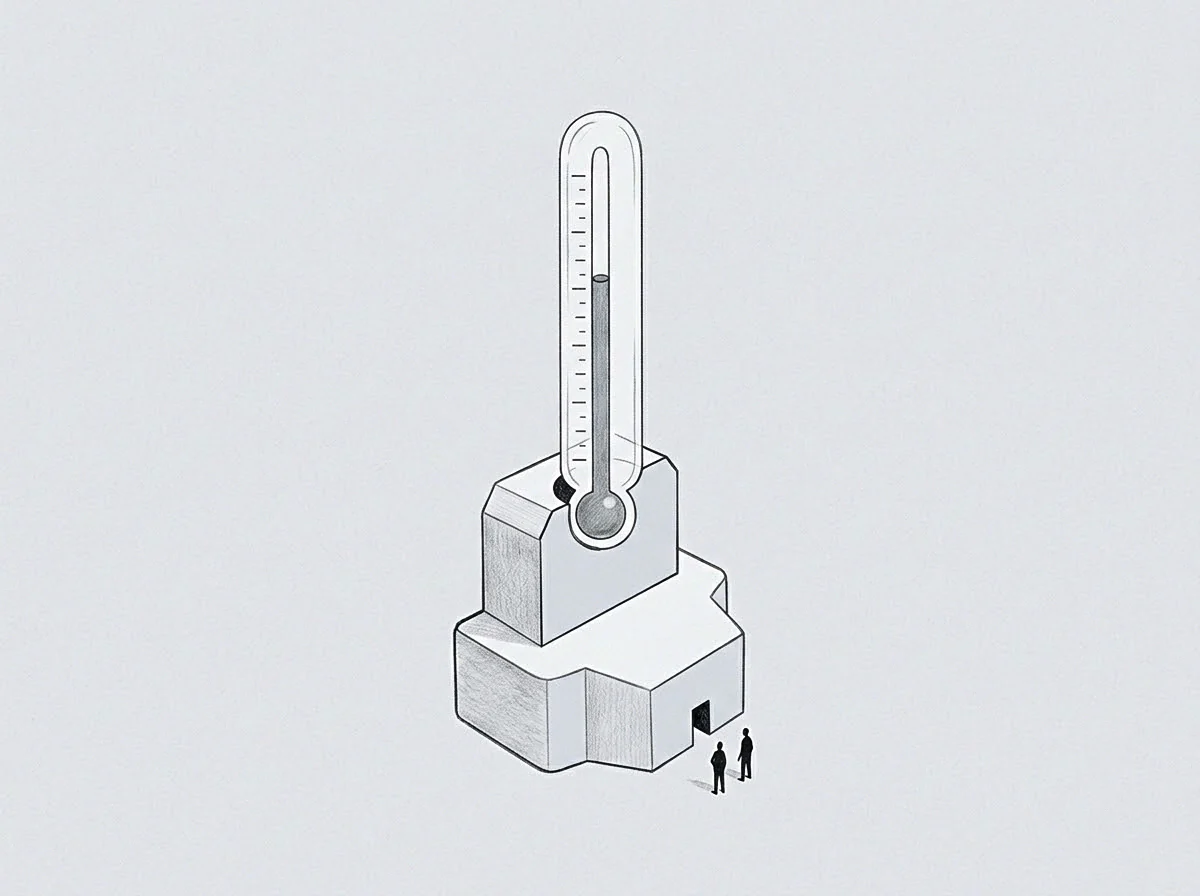
The minimum standard of administrative oversight and decision-making capacity required to keep an enterprise functional defines the baseline management threshold. In founder-led companies, the leadership baseline is the attention needed to sustain daily operations before any strategic growth can be planned. This level of activity represents a continuous tax on the energy reserves of the executive team.
The limit is reached when routine management consumes all available hours, leaving no space for innovation. It acts as an invisible anchor holding the company back from its potential.
Operational Focus
Sustaining daily routines often forces executives to focus on immediate survival rather than long-term vision. When the leadership baseline demands too much attention, strategic projects are postponed indefinitely. The company runs in a reactive loop, resolving the same operational issues repeatedly.
This focus creates a ceiling on performance that prevents expansion.
Structural Output
Organization structure dictates the intensity of the administrative load. A complex architecture with many reporting lines raises the leadership baseline and creates a high cost of governance. If the company operates with flat hierarchies, the demand on the executive decreases.
System designers must simplify reporting paths to reduce the baseline requirement.
Energy Allocation
Managing mental reserves is necessary to protect executive health. When the leadership baseline is lowered through delegation, attention can be redirected toward market expansion. This transition prevents executive burnout and ensures that the firm remains agile in competitive environments.
The business maintains its health by balancing operational maintenance with strategic initiative.