Meaning
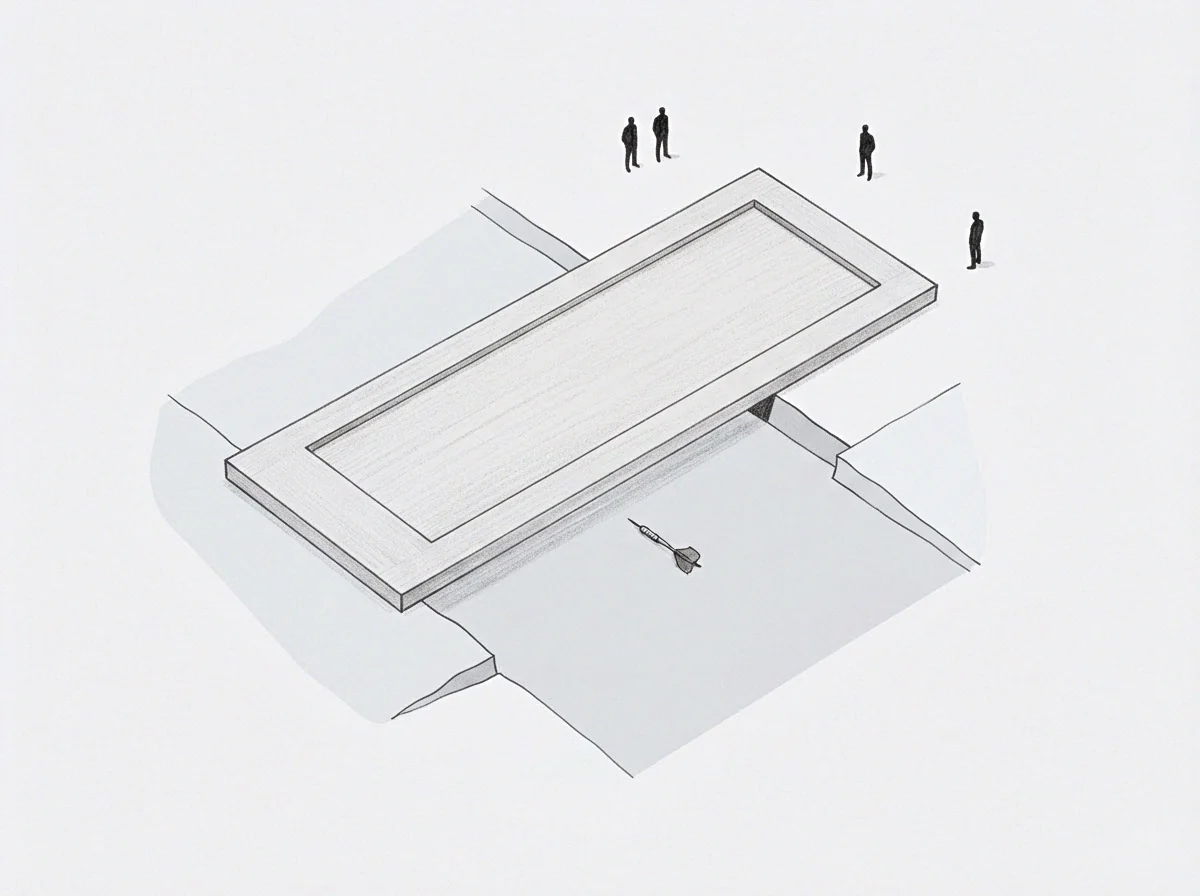
Recurrent operational displacement returns delegated responsibility back to its point of origin following incomplete transfer down an organization. Within governance dynamics, load bounce identifies the phenomenon where an assigned task, accountability or systemic burden is deflected by subordinates and returns to the delegating authority. The sequence highlights an inability within subordinate infrastructure to absorb operational obligations.
This boundary terminates when structural task redesign or personnel replacement permanently settles the execution assignment.
Reversion Dynamics
Flawed assignment protocols trigger rapid upward task return. When an executive attempts delegating an unstructured problem without sufficient procedural clarity, load bounce manifests as a barrage of clarifying questions, technical hesitation and requests for approval. Subordinates avoid accountability by returning incomplete work under the guise of progress reports.
The delegator receives the exact burden previously offloaded, often with lost time. Responsibility proves difficult to transfer without complete operational capability down the line.
Attentional Attrition
Absorbing deflected workflows forces founders into continuous context switching. When load bounce happens repeatedly, executive attention fragments across routine tactical adjustments instead of strategic execution. The recurring surprise of receiving unfinished assignments taxes allostatic capacity.
Leaders burn reserve energy simply managing the emotional friction of uncompleted handoffs. Capacity degrades under this constant tactical re-immersion. Chronic operational regression limits institutional growth.
Structural Remediation
Eliminating recursive assignment loops demands strict structural adjustments to operating boundaries. Task parameters must be defined with unambiguous completion metrics that prohibit premature upward handoffs. Authority must accompany duty so that execution cannot stall on trivial approvals.
Leadership must resist the instinct to complete returned tasks personally, enforcing accountability at the receiver tier instead. Load bounce stops when organizational capability meets or exceeds task demands.