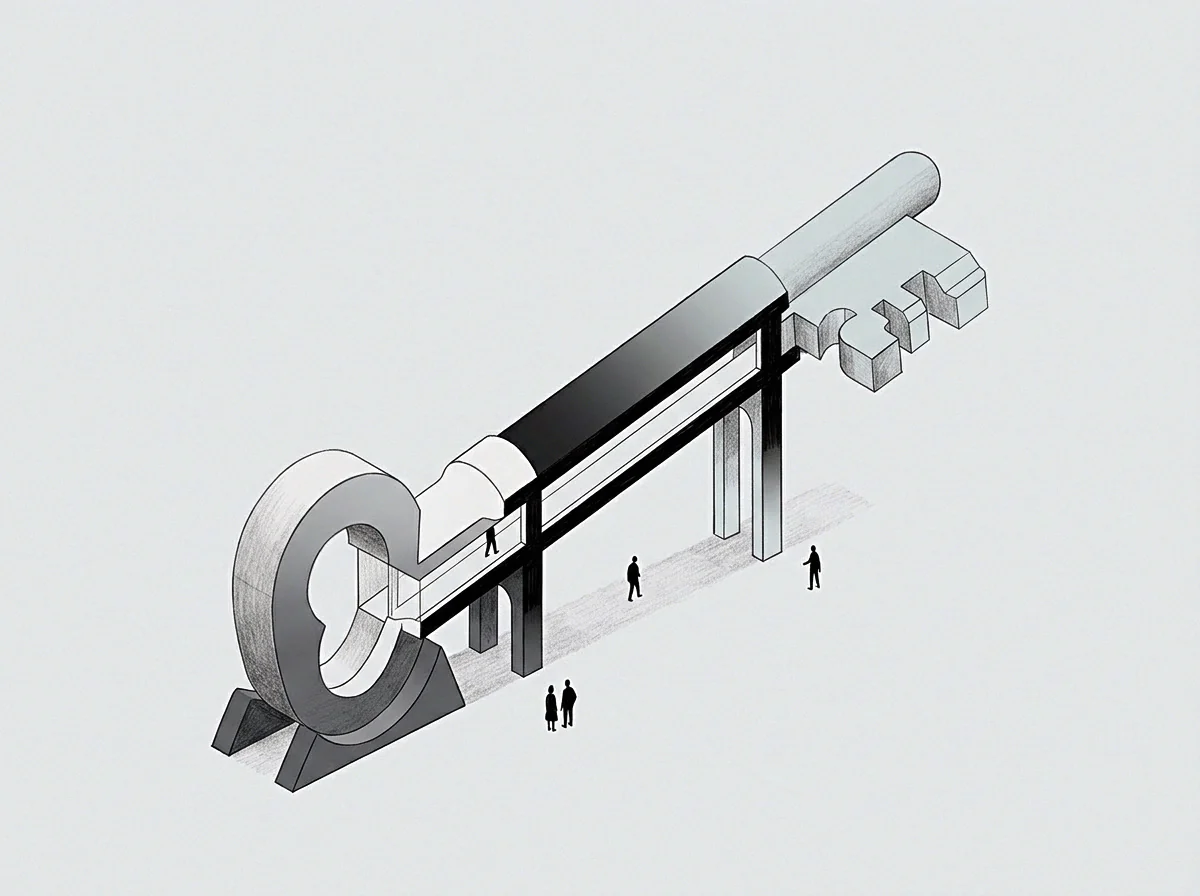
Meaning
Local problem solving is the cognitive adaptation mechanism by which a founder resolves operational friction within immediate constraints before escalating issues upward. This regulatory practice absorbs executive allostatic load by establishing bounded containment zones for recurring anomalies. The mechanism operates through direct intervention at the point of failure, utilizing available peer capacity and heuristic rules rather than formal organizational escalation paths.
Such self-regulation demands continuous attention hours from the founder, consuming finite cognitive bandwidth that would otherwise serve strategic oversight. The boundary of this practice ends precisely where the anomaly exceeds available local authority, forcing formal structural remediation or system reconfiguration.
Cognitive Cost
Every deployed fix subtracts from the founder’s daily capacity reserves. Attention fragments across multiple concurrent minor disruptions, lowering the signal-to-noise ratio for major threats. Hours vanish into repetitive tactical loops, substituting physical presence for systemic durability.
This drain manifests as chronic operational fatigue rather than acute burnout, eroding long-term decision quality through sustained micro-interruptions.
Intervention Thresholds
Escalation occurs when local fixes fail to contain the variance within three operational cycles. The founder sets explicit boundaries around acceptable loss, beyond which autonomous troubleshooting stops and structural redesign begins. Breaching these limits triggers formal policy invocation, shifting the load from personal intervention to institutional procedure.
Structural Limits
Unchecked reliance on localized fixes hides systemic flaws behind makeshift patches. Organizations built entirely on individual heroics stall when the founder lacks the capacity to process incoming anomalies. Scaling demands the systematic replacement of ad-hoc patches with automated error handling, reducing the total volume of daily friction that requires personal attention.