Meaning
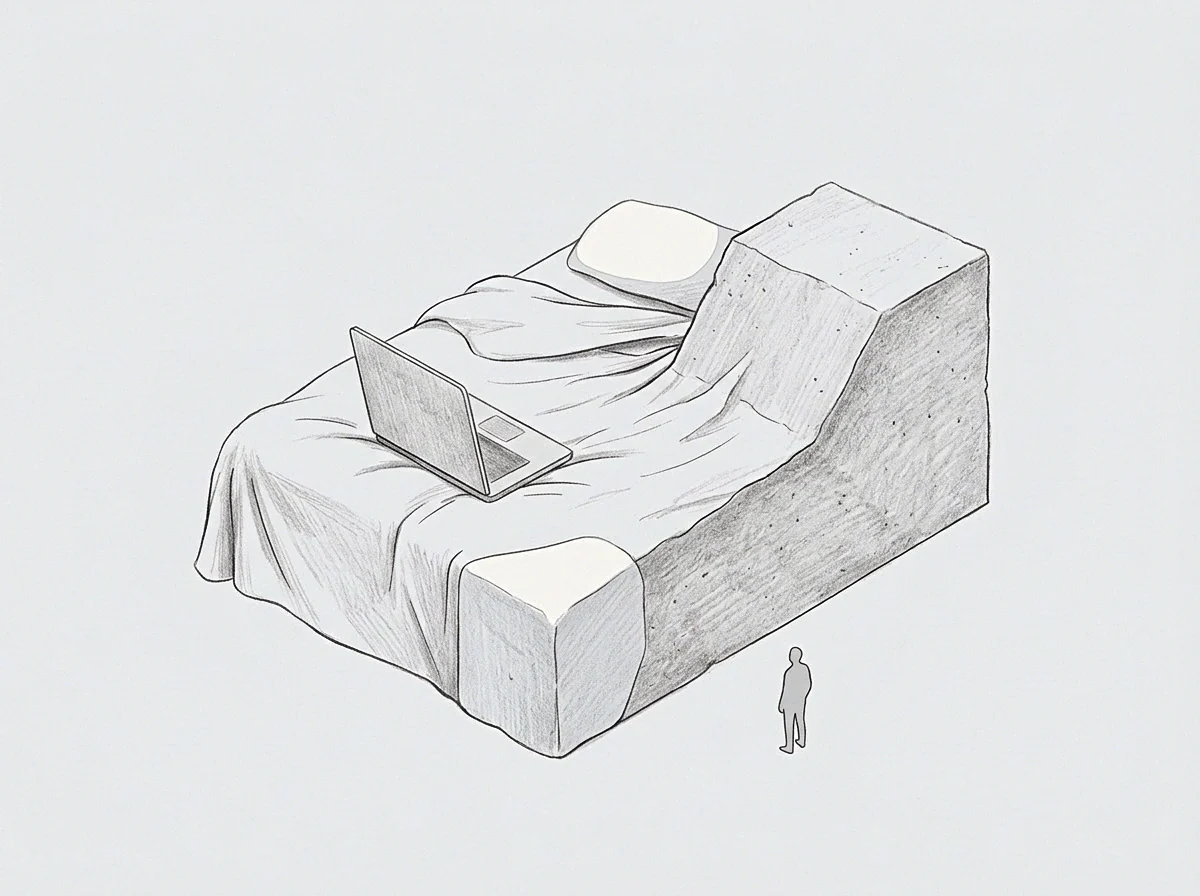
Clinical depression names the sustained collapse of monoaminergic neurotransmission and neuroendocrine regulation within the central nervous system, persisting continuously for at least two weeks. This condition represents a systemic exhaustion state where baseline autonomic reactivity and neural plasticity drop below the threshold required for independent self-regulation. The regulatory load imposed by this state demands continuous compensatory energy from the affected person, draining cognitive capacity and hours of operational availability until physiological recovery occurs.
Physiological Depletion
Biological capacity degrades as baseline cortisol elevation disrupts homeostatic feedback loops in the hypothalamic pituitary adrenal axis. This neuroendocrine disruption strips the organism of adaptive flexibility, forcing every routine decision to consume scarce metabolic resources. Operating under this deficit resembles running a high-performance engine with permanently fouled injectors, where the energy cost of idling exceeds the output of full acceleration.
Capacity Cost
Attention span narrows severely as working memory buffers contract under the weight of persistent neurochemical downregulation. The person bears an invisible tax on every hour of wakefulness, spending double the baseline energy merely to maintain baseline operational stability. Hours slip past in unrecorded cognitive latency because executive functions require deliberate manual override rather than automated neural routing.
Recovery Threshold
Restoration of functional capacity requires systematic reduction of allostatic load alongside pharmacological or behavioral recalibration of synaptic transmission. This baseline recovery remains fragile until neurotrophic factor expression returns to levels that support standard neural plasticity. The system stays vulnerable to sudden regression whenever external demands exceed the newly established physiological ceiling.