
Distinguishing Biological Throttling From Major Clinical Depression in Executives Under Chronic Operational Pressure
Biological throttling down-regulates executive capacity to shield metabolic reserves under continuous load, unlike depression which impairs affect globally.

Substrate

Physiological Down Regulation Under Continuous Load
Four critical operational channels sit active on a screen at midnight. The executive processes incoming telemetry, maintains baseline communication with key partners, and manages ongoing infrastructure strain. Deliveries continue without overt error.
Inside, biological capacity is shifting. Sustained operational pressure drains central metabolic reserves, setting off an adaptive brake that protects tissue from continuous stress. This state dampens exploratory drive, reduces emotional expression, and holds back self-initiated strategic planning, even while reactive capabilities stay intact.
The down-regulation of executive capacity is a homeostatic protection routine. Systems biology frames it as biological throttling: the organism limits peripheral energy consumption to preserve basic survival functions. Operational environments routinely mistake this physical throttling for major clinical depression.
Treating a protective physical brake as a mood disorder leads to interventions that only deepen the drain.
Unhedged operational stress forces systemic biological conservation.
Physiological capacity drops systematically when continuous allostatic demand exceeds central metabolic supply.
Allostatic load measures the biological wear that accumulates through repeated neuroendocrine activation. Under chronic pressure, the hypothalamic-pituitary-adrenal axis adjusts its baseline signaling to protect tissue from prolonged glucocorticoid exposure. The system is not failing; it is recalibrating its throughput floor and ceiling.
Mood disorders, by contrast, involve neurocircuitry where negative affective bias persists regardless of workload or rest.
When executive processing enters biological throttling, energy shifts toward immediate threat management instead of long-range modeling. Routine operations continue, urgent alerts get answered, and essential social interactions stay functional. What changes is the cost of unscripted initiative.
The effort required to start new work rises sharply, marking a clear signal that the system is running near its regulatory limit.
The distinction between protective energy suppression and clinical illness comes down to system reactivity. An executive under biological throttling regains normal affect when pulled out of operational load, showing immediate capacity for engagement once disengaged. Clinical depression suppresses mood across all contexts regardless of demand.
Contextual reactivity confirms adaptive down-regulation rather than structural pathology.

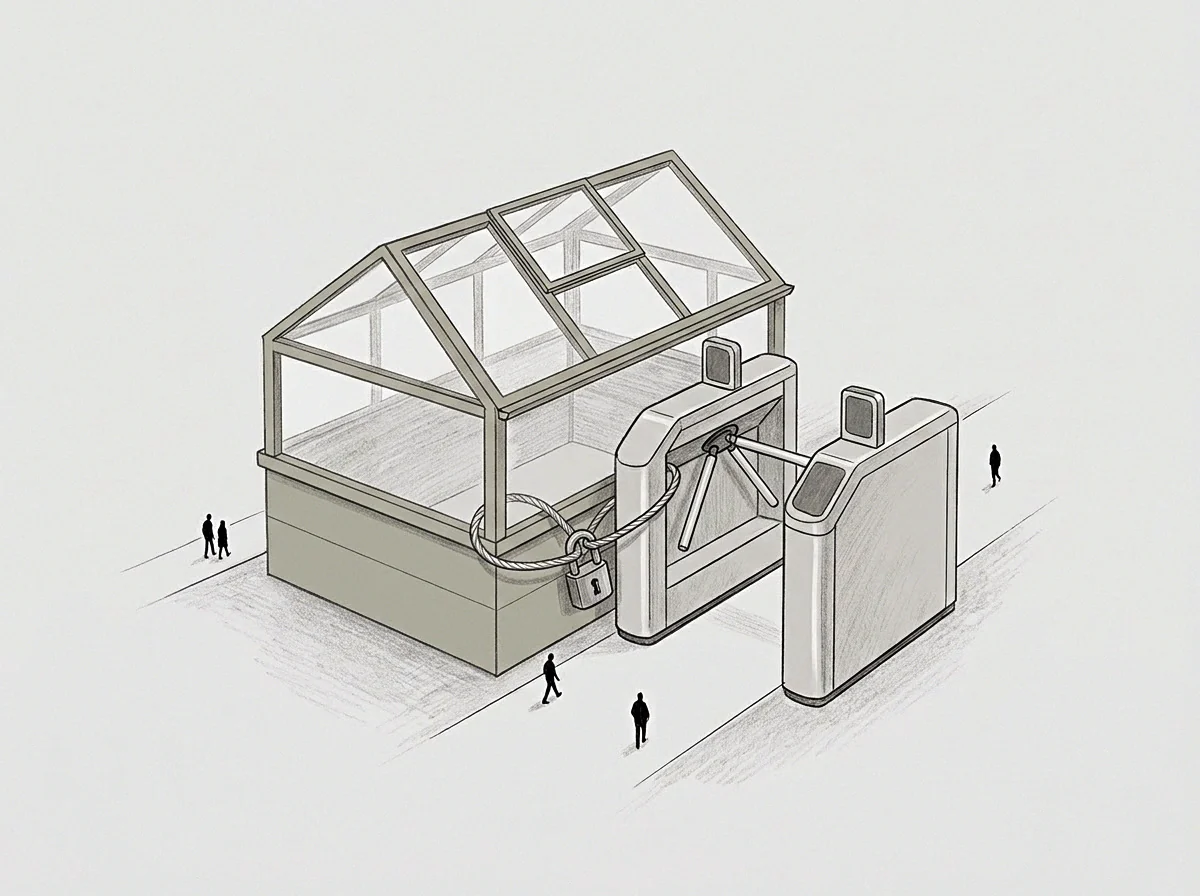
Valve

Neuroendocrine Signaling and Energy Conservation
Cortisol profiles mirror physiological load. Prolonged operational pressure flattens the morning cortisol spike while keeping nighttime levels low. This flattened profile limits energy mobilization for spontaneous action, protecting metabolic structures from continuous glucocorticoid exposure.
The neuroendocrine system effectively places a flow limiter on systemic energy expenditure.
Autonomic metrics reflect the same adjustment. High-frequency heart rate variability drops under continuous demand, signaling reduced parasympathetic modulation and sustained sympathetic tone. The body remains in quiet vigilance, drawing on basal energy reserves to maintain readiness.
This constant activation narrows the physiological headroom required for complex synthesis and strategic planning.
A flattened awakening response reduces executive risk appetite without altering fundamental operational competence.
The body deploys several distinct physiological indicators during chronic operational down-regulation:
- Cortisol Awakening Profile a flattened morning elevation with a preserved circadian nadir maintains core baseline functions while reducing exploratory drive.
- Heart Rate Variability Suppression lower high-frequency parasympathetic power reflects continuous autonomic arousal during execution.
- Metabolic Conservation State reduced thyroid conversion slows protein synthesis to protect central nervous system function.
- Pervasive Fatigue Response persistent physical lethargy indicates protective down-regulation rather than mood collapse.
System recovery depends on thread reduction. When operational demand runs past physiological thresholds, cellular energy signaling alters central nervous system function. Pro-inflammatory cytokines cross the blood-brain barrier, triggering sickness behavior marked by lethargy, low social engagement, and physical fatigue.
These signals act as an enforced pause to compel rest before cellular damage occurs.
Throttling shields central neural tissue from damage.
Mistaking these signals for clinical depression creates real risk. Administering pharmaceutical interventions for affective illness without reducing operational load rarely restores strategic capacity. Pushing for higher output through a throttled system can lead to functional exhaustion, turning a protective adaptation into physical breakdown.

Differential

Clinical Criteria Versus Load Induced Down Regulation
Evaluating an executive under chronic operational pressure requires criteria that distinguish structural disease from load-induced energy conservation. Clinical depression features pervasive loss of interest across all domains, ongoing feelings of worthlessness, guilt, and unreactive mood. Biological throttling shows domain-specific exhaustion, an intact self-concept, and clear recovery when pressure eases.
Anhedonia remains domain-specific during throttling. An executive in biological conservation finds work tasks heavy, yet retains capacity for enjoyment during low-demand personal pursuits away from responsibility. Major depression erodes hedonic capacity across the board, making leisure, personal relationships, and professional wins feel equally flat.
| Clinical Dimension | Biological Throttling | Major Clinical Depression |
|---|---|---|
| Affective Reactivity | Preserved during disengagement and task removal | Absent across all operational environments |
| Anhedonia Boundary | Restricted to operational domains and high-demand tasks | Pervasive across all life experiences and personal domains |
| Cognitive Capacity | Intact for reactive tasks; suppressed for open-ended strategy | Impaired across memory, focus, and processing speed |
| Sleep Architecture | Early morning awakening driven by elevated sympathetic tone | Disrupted sleep architecture independent of workload |
| Stressor Removal Response | Rapid partial rebound in energy within forty-eight hours | Persistent low mood despite complete removal of load |
The differential diagnosis dictates the required intervention.
Operational competence remaining intact under urgent external demand distinguishes systemic energy conservation from affective pathology.

Can Biological Throttling Convert Into Clinical Depression?
Sustained down-regulation can transition into depressive illness if allostatic overload runs past compensation limits. Continuous neuroinflammation, prolonged circadian disruption, and chronic glucocorticoid dysregulation alter hippocampal plasticity and prefrontal connections over time. Once biological structures sustain persistent alteration, affective dysregulation becomes self-sustaining and uncoupled from operational demand.
Cognitive evaluation highlights the operational difference between these states. In biological throttling, analytical capacity remains sharp during sudden crisis, accessing focus when stakes require immediate action. Once the acute crisis passes, energy drops back into conservation.
Clinical depression maintains continuous cognitive slowness and attentional deficits regardless of external emergency demands.
The executive appears disengaged from long-term growth initiatives while executing daily deliverables with complete tactical accuracy.
Concurrency

Open Loops and Central Switching Costs
The volume of open operational threads directly drives biological load. Every unclosed decision, ambiguous mandate, or unresolved conflict consumes an active slot in working memory. Holding multiple ungated loops forces continuous micro-switching, increasing glucose consumption and accelerating autonomic fatigue.
Executive performance degrades under continuous switching. The brain runs open loops as active background processes, maintaining vigilance to prevent missed commitments. When threads multiply without clear resolution dates, ambient switching costs consume processing capacity, leaving little headroom for complex cognitive tasks.
Open threads consume active processing slots.
- Thread Gating Protocol setting strict boundaries on open commitments converts continuous switching load into discrete executable blocks.
- Slot Reallocation Sequence clearing passive monitoring threads frees immediate processing capacity for core operational decisions.
- Regulatory Offloading Move transferring ambient tracking to structured asynchronous ledgers restores physiological headroom.
Social baseline theory shows that human regulatory systems distribute biological load through proximity with reliable partners. When operating without co-regulating leadership, total self-regulatory demand rises sharply. Managing organizational uncertainty in isolation forces the central nervous system to maintain elevated baseline arousal, accelerating physiological throttling.
Drawing regulatory capacity from structured environments reduces internal energy expenditure. Clear governance, explicit delegation boundaries, and predictable communication windows turn ungated monitoring into scheduled processing slots. Lowering cognitive switching costs preserves headroom and delays adaptive down-regulation.
Maintaining fewer than four active open commitments prevents cognitive overload during intense operational cycles.
Limit

Operational Restructuring and Recovery Thresholds
Restoring executive function after biological throttling requires structural adjustments rather than psychological reassurance. Removing incoming load, defining rigid completion terms, and setting explicit decision dates clears background slots in executive memory. As open loops close, central nervous system arousal drops, allowing neuroendocrine profiles to return toward homeostatic baselines.
Gated commitments protect reserves. Restructuring workflows involves setting hard limits on real-time availability and establishing asynchronous reporting channels. When demands receive bounded time slots, the neuroendocrine system drops its baseline vigilance, allowing parasympathetic recovery during off-hours.
Reclaiming system headroom begins when open commitments receive explicit execution dates or formal termination.
Capacity returns as load clears. Physical recovery from biological down-regulation follows predictable timelines. Initial parasympathetic recovery occurs within days of structural load reduction, lowering acute anxiety and restoring sleep architecture.
Full recalibration of the hypothalamic-pituitary-adrenal axis and resolution of systemic low-grade inflammation often takes weeks of sustained headroom.
Restored headroom shifts biological signaling. When operational structures reduce cognitive switching costs and clear background threads, spontaneous exploratory drive and long-range strategic capacity return. This recovery confirms that the underlying state was protective throttling rather than structural affective illness.
The remaining question centres on how long an executive system can maintain operational output at its absolute performance ceiling before biological down-regulation transforms into irreversible neurostructural modification.