Meaning
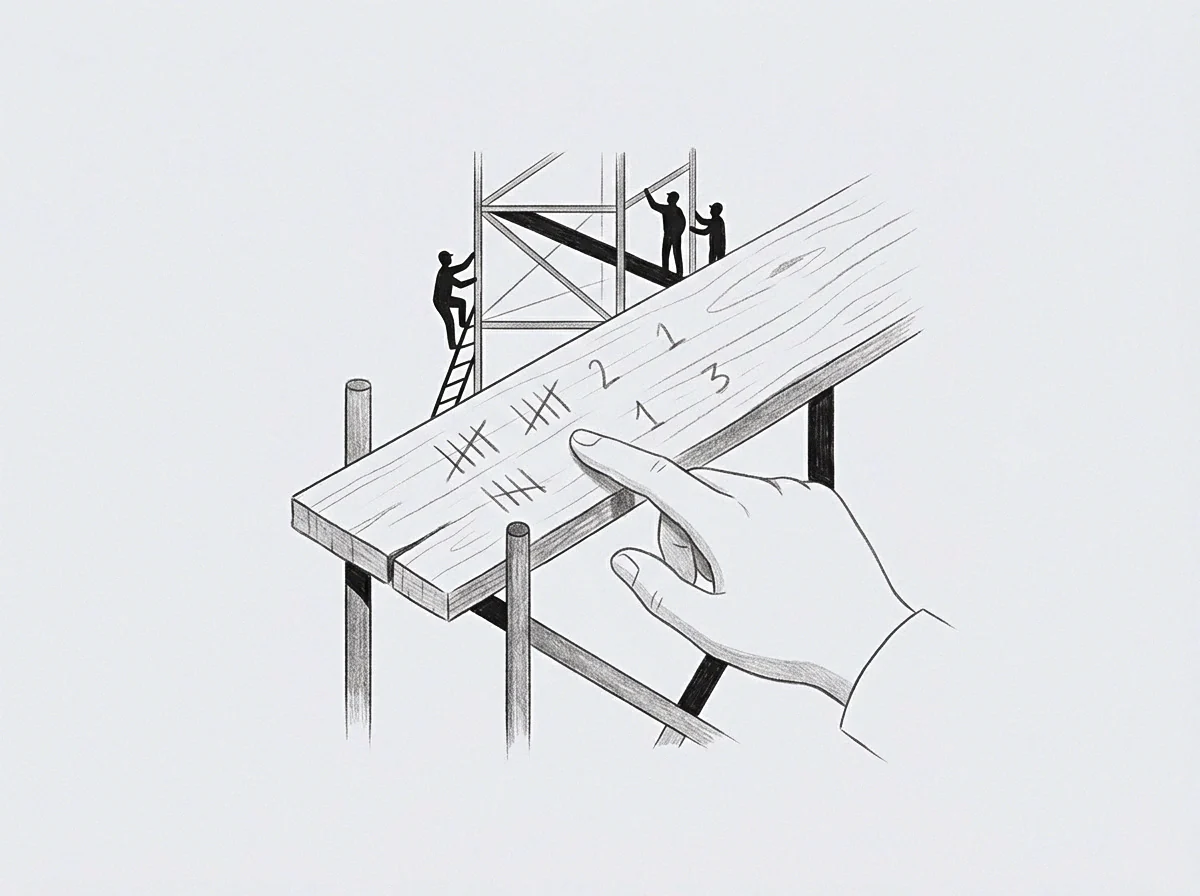
A micro-contingency is an unexpected operational disruption requiring immediate attention, typically consuming less than three minutes of cognitive capacity but occurring with high frequency during daily leadership routines. The micro-contingency governs administrative fluidity by interrupting focused work states and forcing rapid context switching. This regulatory friction persists until an organization reaches a specific operational threshold where delegation protocols absorb low-level anomalies automatically.
The phenomenon operates independently of company size, affecting any individual maintaining direct oversight of communications channels.
Context Switching
Frequent attention fragmentation drains available energy reserves faster than sustained analytical tasks. Every minor interruption forces a mental reboot that consumes several minutes of recovery time before deep focus resumes. Operational momentum degrades steadily as the accumulation of small anomalies forces constant prioritization adjustments.
Leadership capacity erodes not through catastrophic failure but through the sheer weight of continuous minor friction.
Load Management
Structural buffers absorb routine anomalies before those disruptions reach the primary decision maker. Delegation frameworks establish clear boundaries for what requires immediate intervention and what waits for scheduled review periods. Protocol adherence reduces the frequency of interruptions by training teams to resolve minor discrepancies independently.
System stability improves measurably when operational pressure is distributed across multiple autonomous nodes rather than centralized in one role.
Threshold Enforcement
Boundary enforcement prevents trivial disruptions from consuming disproportionate attention hours. Clear escalation rules determine the precise moment a minor variance becomes an operational emergency. Strict adherence to these limits preserves the cognitive bandwidth necessary for long-term strategic planning.
Organizational resilience ultimately depends on maintaining this rigorous separation between routine friction and actual systemic threat.