Meaning
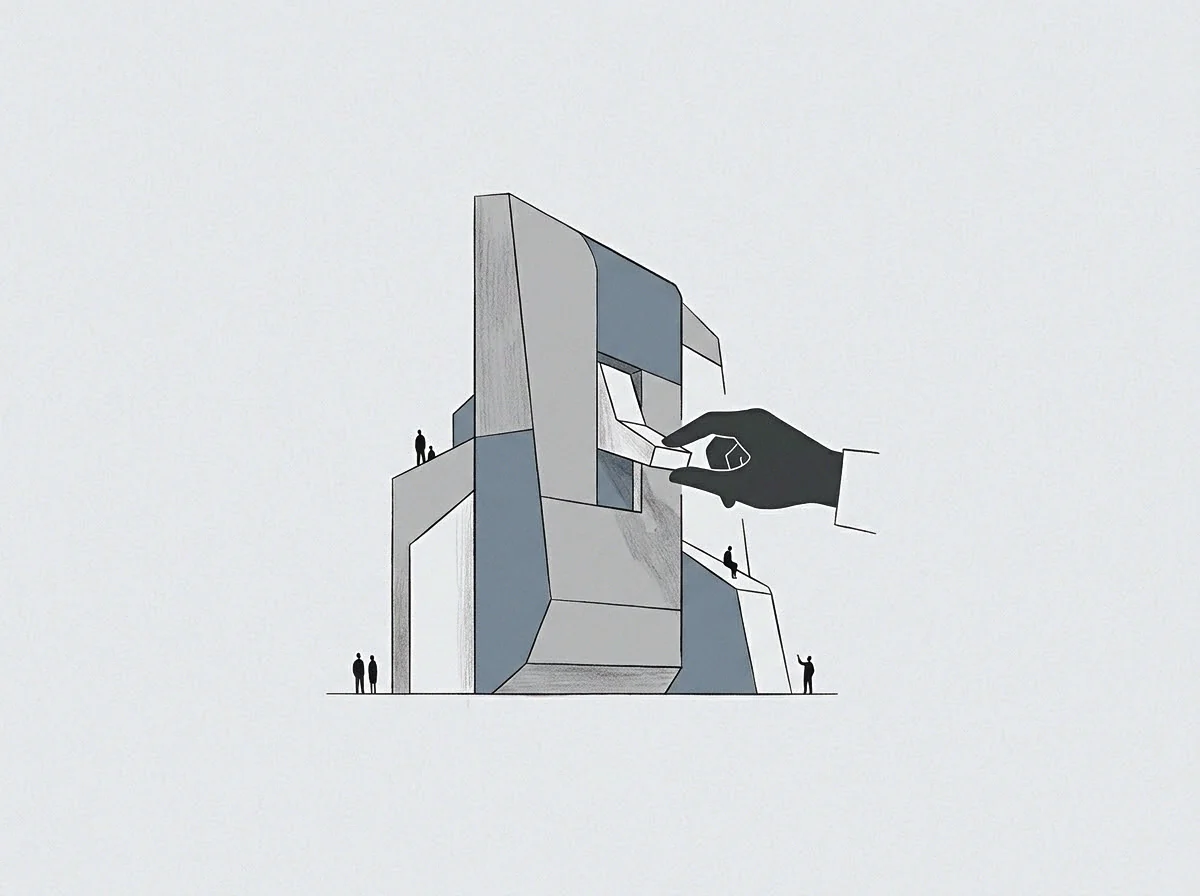
Systemic biases or environmental pressures work to exclude high-performing individuals while retaining those who conform to a lower standard. A negative selection filter operates within a culture where the rewards for high performance are outweighed by the risks of visibility. It results in a workforce that prioritizes safety over innovation.
This mechanism degrades the overall quality of the organization over time.
Attrition Rate
High-output individuals leave the environment when they perceive that their contributions are not valued or are actively penalized. The negative selection filter increases the cost of recruitment as the organization must constantly replace its most capable members. This movement leaves behind a residue of compliance-focused staff.
It forces a founder to prioritize supervision over creation.
Quality Threshold
Average output becomes the new standard when the top tier of the workforce departs. Because a negative selection filter removes the outliers who drive progress, the organizational baseline drops. This shift is often invisible to those within the system until the gap between the firm and its competitors becomes unbridgeable.
It costs the entity its competitive edge.
Regulatory Friction
Rigid rules and heavy monitoring often act as the primary drivers of this exclusion process. A negative selection filter is often the unintended consequence of an over-regulated environment.