Meaning
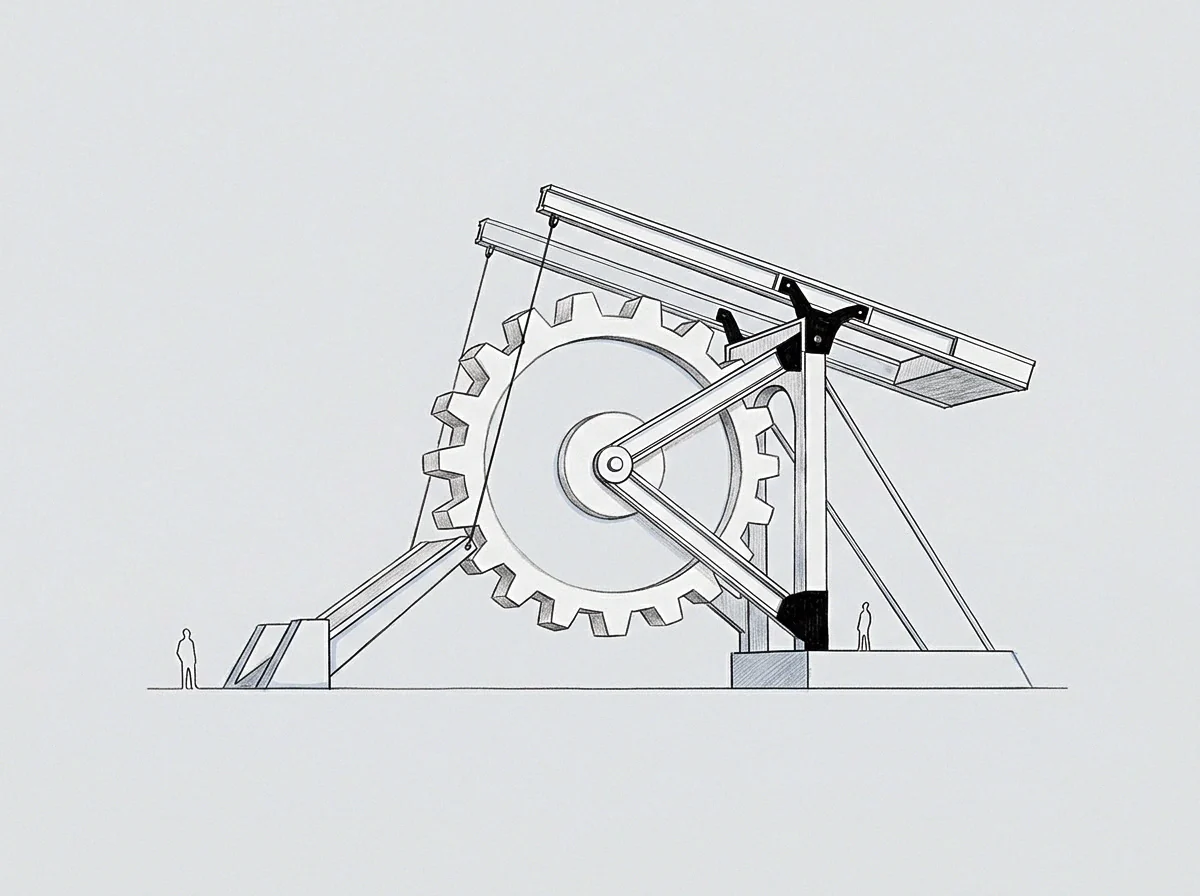
Biological capacity reduction serves as the neurological mechanism that limits sustained cognitive output during high stress periods following the closure of a venture. This physiological adaptation occurs when chronic uncertainty overloads available neurotransmitters, forcing the prefrontal cortex to restrict throughput in order to prevent total system collapse. Such neural throttling operates below conscious awareness, manifesting as a sudden drop in processing speed rather than an emotional breakdown.
The individual experiences this limitation as a hard ceiling on daily problem-solving hours, beyond which concentration physically ceases to function.
Cortex Load
Sustained decision-making drains glucose and oxygen reserves within the frontal lobes faster than ordinary physiological recovery can replenish them. Neural throttling steps in as an autonomous circuit breaker when metabolic demand exceeds available supply for consecutive weeks. Attention fragments into shorter intervals, turning tasks that previously required minutes into hours of circling thought without conclusion.
This capacity cost is paid entirely in hours of lost productivity and diminished working memory.
Systemic Threshold
Recovery depends on reducing cognitive load below the specific baseline where throttling triggers continuously. The nervous system measures environmental unpredictability rather than task volume, treating ambiguous post-venture market signals with the same alarm as physical threats. Sleep architecture degrades under this sustained load, preventing the deep rest required for synaptic repair and receptor resensitization.
Pushing past the throttle boundary yields diminishing returns, trading days of future capability for fleeting hours of forced output.
Capacity Limit
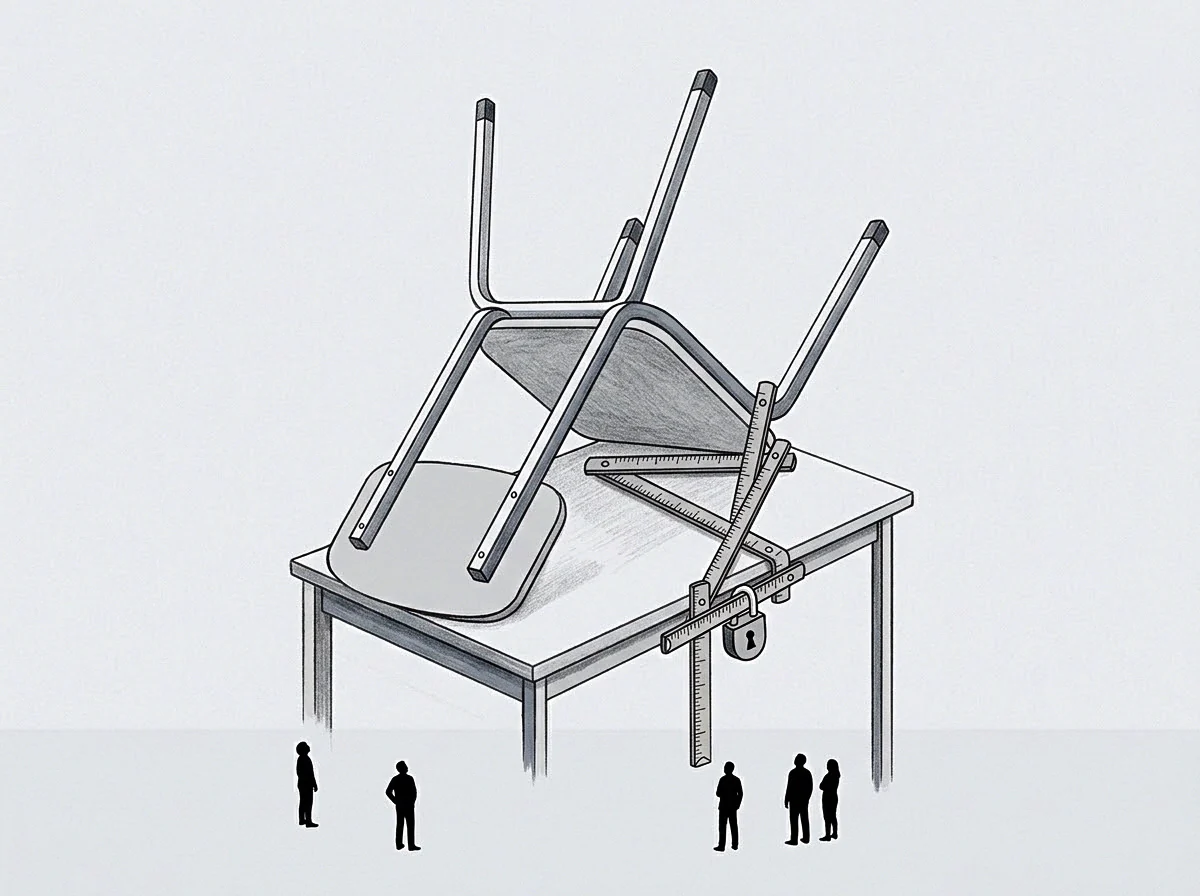
Modern founders frequently misattribute this neurological constraint to moral failure or insufficient discipline rather than a physical capacity limit. External demands continue long after internal processing margins have vanished, creating a persistent friction between expectation and biological reality. Chronic throttling alters baseline stress reactivity, permanently lowering the volume of uncertainty the nervous system can process without engaging protective shutdowns.
Management of this state requires lowering cognitive input rather than developing better habits.