Meaning
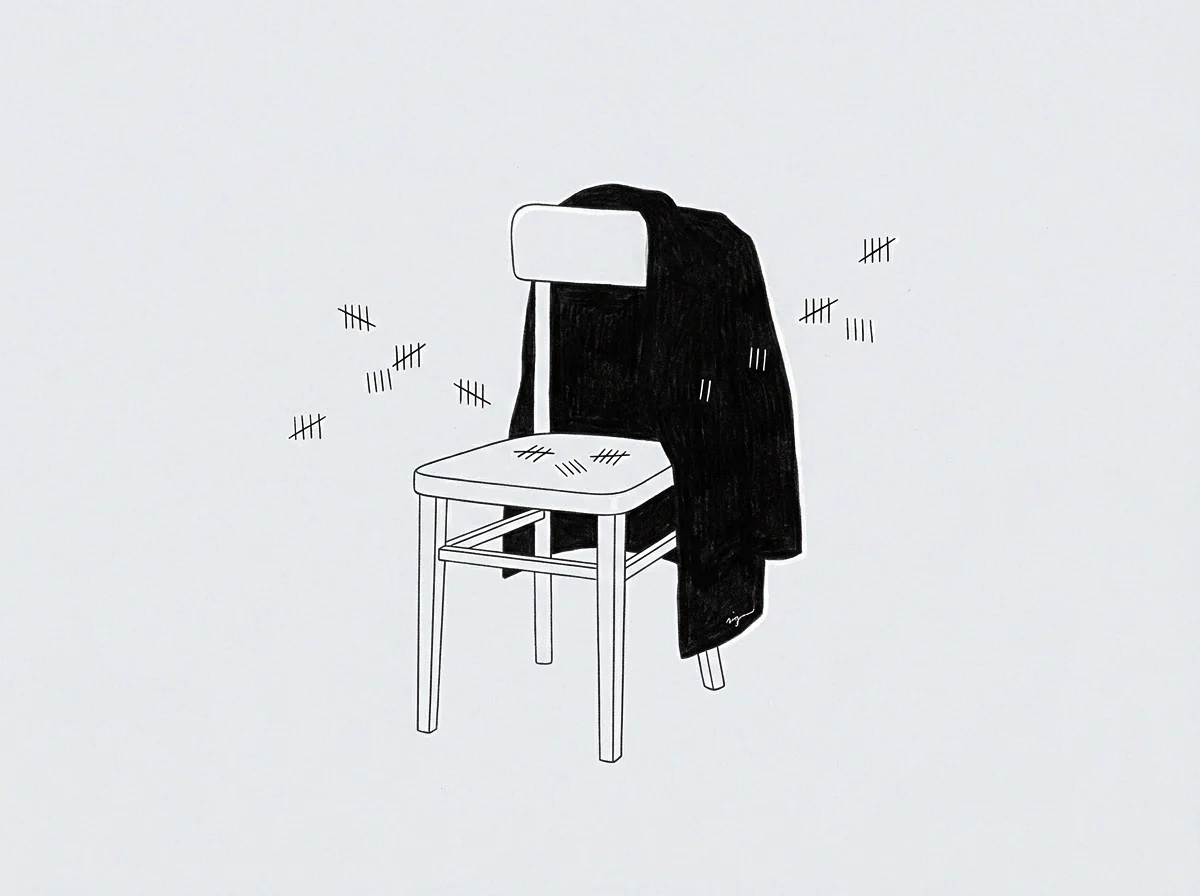
Unstructured accessibility standards describe a state where a founder remains available to all team members and external partners without any filtering or scheduling. While an open table policy is often intended to foster transparency, it creates a massive load on the founder’s attention and hours. This standard governs the frequency of interruptions and the fragmentation of the workday.
It stops being a viable strategy when the sheer volume of requests prevents the founder from completing their own core responsibilities.
Attention Availability
Constant access means that the founder’s cognitive resources are distributed across dozens of minor issues every day. Because the open table provides no barrier, employees often bring problems to the founder before trying to solve them within their own teams. This leads to a degradation of the founder’s deep work capacity.
The person spends their entire day in a reactive mode, responding to the needs of others rather than directing the company.
Presence Load
The energy required to remain socially available for eight or ten hours a day is significant. Even if no one is speaking, the founder must maintain a certain level of readiness to engage, which prevents full immersion in complex tasks. This presence load is a hidden cost of the open office or the always-on digital culture.
It results in a state of chronic partial attention that is both exhausting and inefficient.
Contextual Throttling
To survive this level of access, the founder often begins to shorten their interactions and provide shallower answers. This subconscious throttling is a defense mechanism against the overwhelming demand. While it saves time in the short term, it often leads to misunderstandings and the need for more meetings later.