Meaning
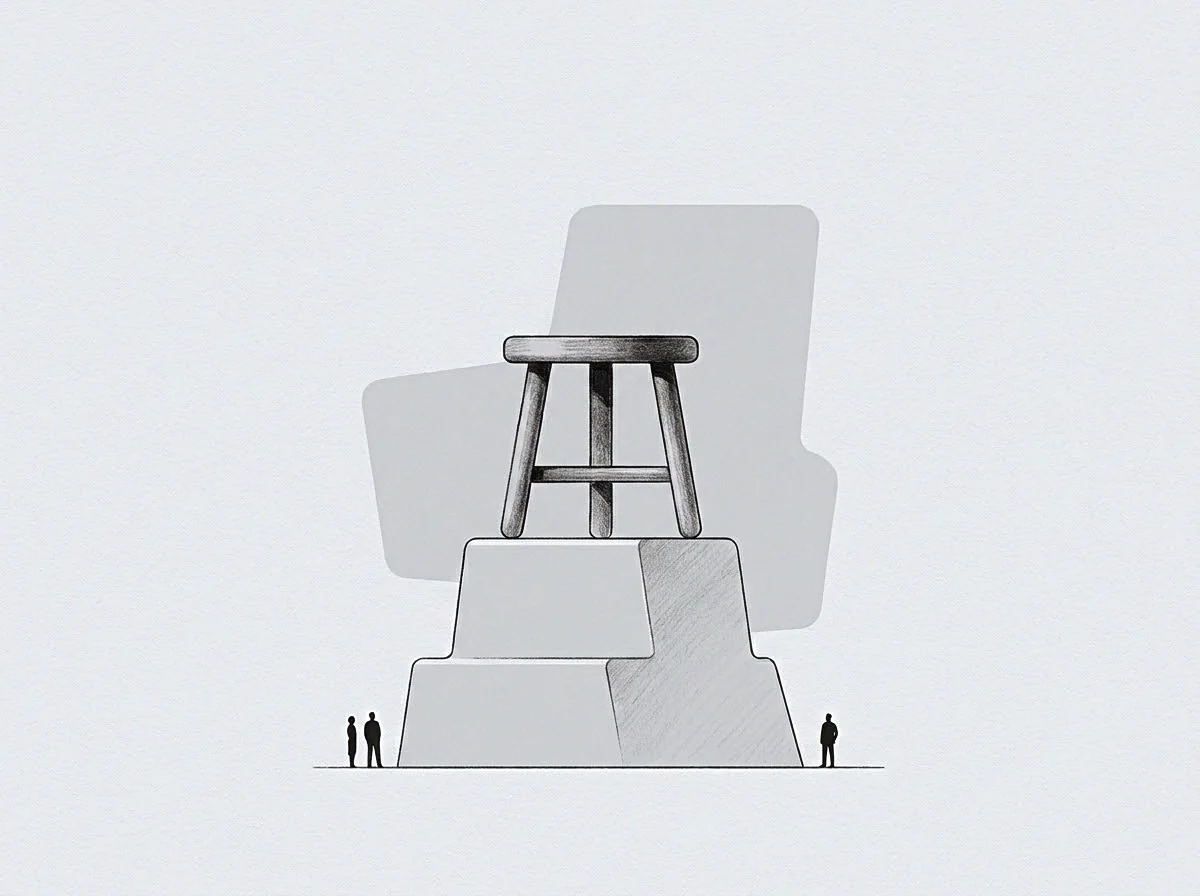
Operational escalation is a structural transmission mechanism that moves an unhandled exception from a peripheral execution layer to a central authority once local capacity is exhausted. This regulatory instrument governs capacity thresholds within post founding environments by establishing fixed transition rules for anomalies that defy standard resolution protocols. The mechanism operates whenever anomaly frequency or severity exceeds the parametric limits defined for a given role, halting further local processing until the central node absorbs the load.
Boundary conditions occur at the point where the receiving authority itself saturates, shifting the system from regulated escalation to systemic block.
Capacity Cost
Human attention functions as a finite physiological channel that depletes rapidly under repeated interrupt cycles. The founder pays for each upward transmission in hours of cognitive recovery, because context switching between executive oversight and frontline firefighting consumes distinct mental reserves. Attention bandwidth contracts noticeably as the frequency of incoming exceptions rises, leaving less capacity for long term resource allocation.
Energy reserves drain through the constant vigilance required to monitor boundary tripwires without knowing when the next threshold will breach.
Threshold Design
Numerical tripwires determine the exact moment a deviation ceases to be a local concern and becomes an institutional event. These quantitative limits rely on predetermined volume counts, error rates or time delays that trigger automatic routing upward. System designers calibrate these thresholds to balance the autonomy of operating units against the processing capacity of the central decision maker.
Setting the tripwire too low floods the executive level with trivial anomalies, while setting it too high forces frontline operators to absorb shocks that eventually cause burnout.
Systemic Drag
Unchecked upward flows create severe operational bottlenecks that paralyze decision making across the entire enterprise. When too many exceptions route through a single central node, the time required to clear each item increases exponentially. This congestion degrades the responsiveness of the organization, turning a localized delay into a widespread slowdown.
The structural friction introduced by frequent rerouting ultimately limits the maximum throughput the company can sustain regardless of market demand.