Meaning
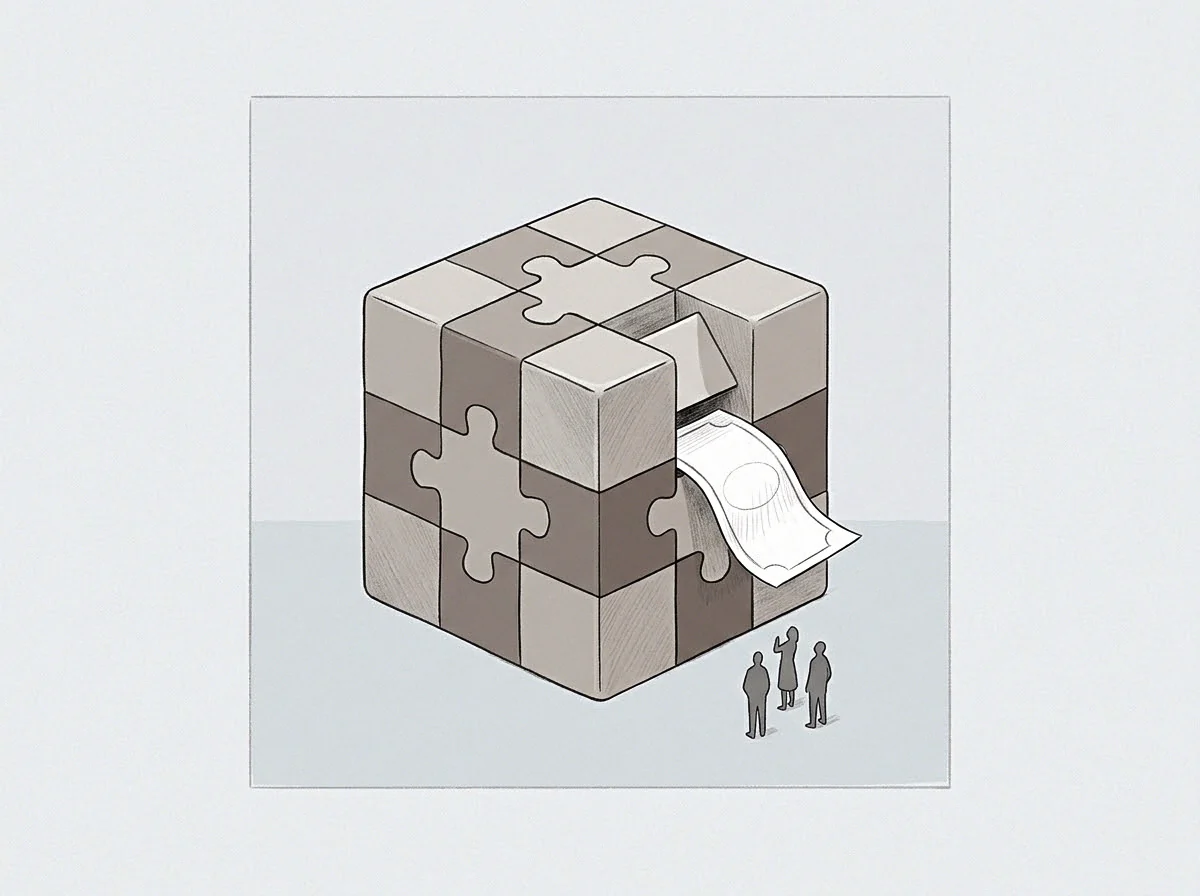
Structural risk management divides a company’s activities to prevent failure in one area from compromising other units. By utilizing operational partitioning, a startup organizes its workflows and teams into distinct, independent compartments. This architectural design ensures that high-risk experiments or regulatory challenges in one department do not disrupt the daily activities of the core business.
It acts as a protective barrier, keeping the operational baseline stable even when specific areas experience high volatility.
Risk Mitigation
The primary objective of this compartmentalization is the containment of technical, financial, or regulatory crises. When a company implements operational partitioning, a failure in a new product line is isolated within that specific group. This prevents the disruption from spilling over to impact the primary revenue-generating activities of the business.
By restricting the spread of negative outcomes, the organization protects its financial stability and preserves the focus of the broader team. It turns potentially catastrophic failures into manageable, localized issues that can be addressed without destabilizing the whole enterprise.
Communication Overhead
While this division protects the organization, it also introduces significant friction into daily coordination across teams. When operational partitioning is strict, the flow of information between compartments becomes slower and more formalized. This requires the establishment of specific APIs, both technical and human, to manage the interaction between different business units.
Leaders must invest more energy and time in maintaining high-level alignment, as the natural cross-pollination of ideas is reduced. This friction represents a continuous cost in terms of organizational speed and administrative effort.
Resource Allocation
Dividing a business into isolated compartments also alters how talent and capital are distributed across the organization. Instead of having a fluid pool of shared resources, each partition must have its own dedicated assets and personnel. This division can lead to redundancies, with multiple teams maintaining similar capabilities or software tools.
However, this inefficiency is the price paid for resilience, ensuring that each unit has the self-sufficiency needed to operate without depending on others. The organization must accept this increased cost to secure the safety that compartmentalization provides. It prevents a resource shortage in one struggling division from instantly draining the budget and attention of thriving departments.