Meaning
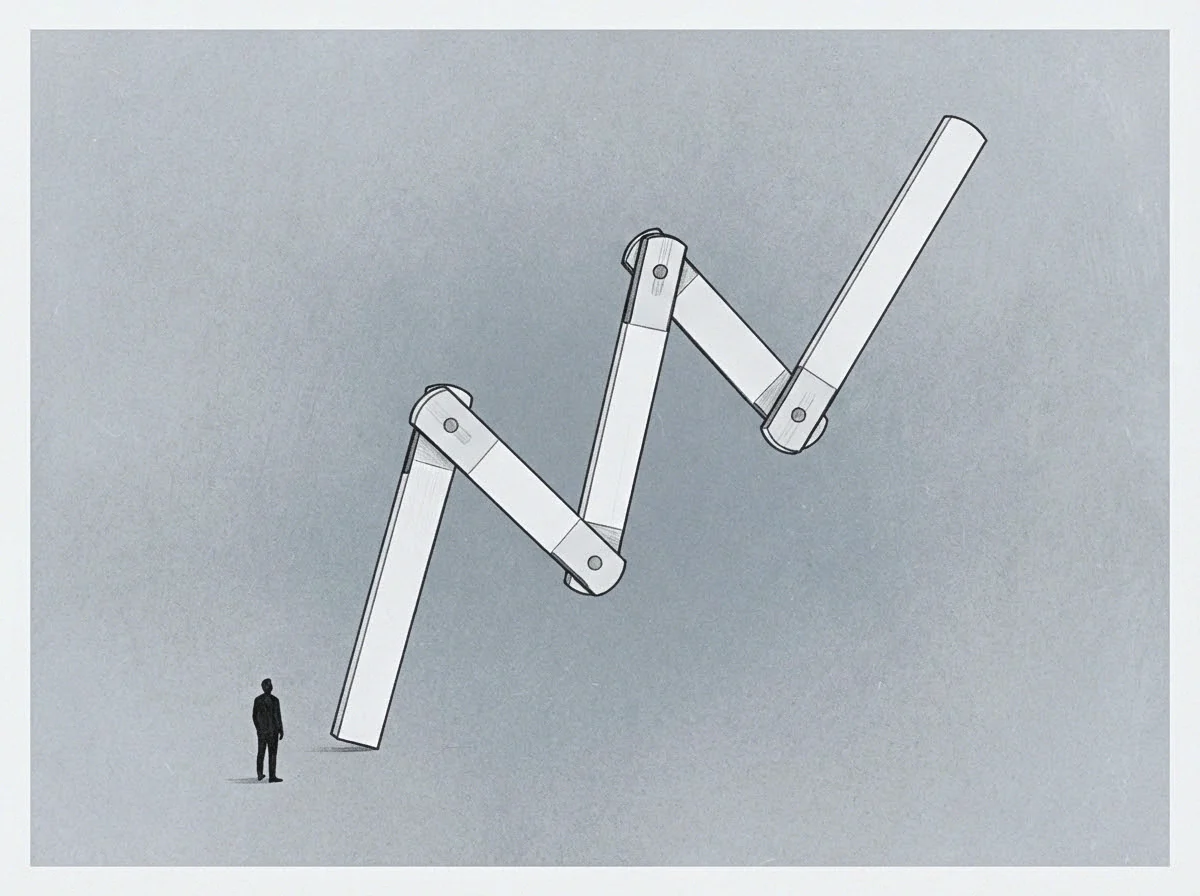
An appointed functional delegate or structural mechanism acts on behalf of executive leadership to absorb tactical coordination and daily systemic demands. The implementation of an operational surrogate shifts administrative throughput away from founders, decoupling corporate survival from their continuous direct involvement. This role governs routine personnel issues, project velocity, and procedural compliance through institutionalized management systems or professional operational officers.
Surrogate authority terminates at fundamental corporate direction, capital allocation decisions, and core institutional vision.
Cognitive Offloading
Diverting tactical throughput frees founder attention for high-leverage strategic planning and deep restorative breaks. By inserting an operational surrogate between leadership and direct operational fires, an executive eliminates hundreds of context-switching interruptions every week. This buffer preserves working memory and stabilizes parasympathetic tone.
The surrogate absorbs the constant friction of team alignment and deadline enforcement. Executive capacity shifts from endless triage back to long-range organizational direction.
Authority Delegation
Transferring true decision-making mandates requires surrendering intimate procedural control over daily corporate execution. Deploying an operational surrogate fails if the founder routinely bypasses the surrogate to micro-manage staff or second-guess tactical choices. Incomplete delegation produces organizational paralysis and doubles leadership load, as the founder now manages both the problems and the surrogate.
Clear structural authority perimeters must be maintained. Successful offloading demands comfort with imperfect execution conducted within acceptable error tolerances.
Isolation Tradeoffs
Buffering leaders from everyday corporate execution introduces informational distortions and perceptual blind spots. Relying on an operational surrogate filters ground-level organizational reality, making it harder for founders to catch early cultural decay or subtle customer friction. Over-insulated executives risk making strategic plans based on idealized operational summaries.
Periodic, targeted direct observation helps maintain perspective without compromising surrogate authority.