
Autonomic Decay Curves And Hemodynamic Recovery Under Chronic Operational Ceilings
Chronic operational ceilings blunt autonomic decay curves and suppress nocturnal blood pressure dipping by maintaining continuous sympathetic vascular tone.

Slope
Decay Dynamics in Autonomic Tone
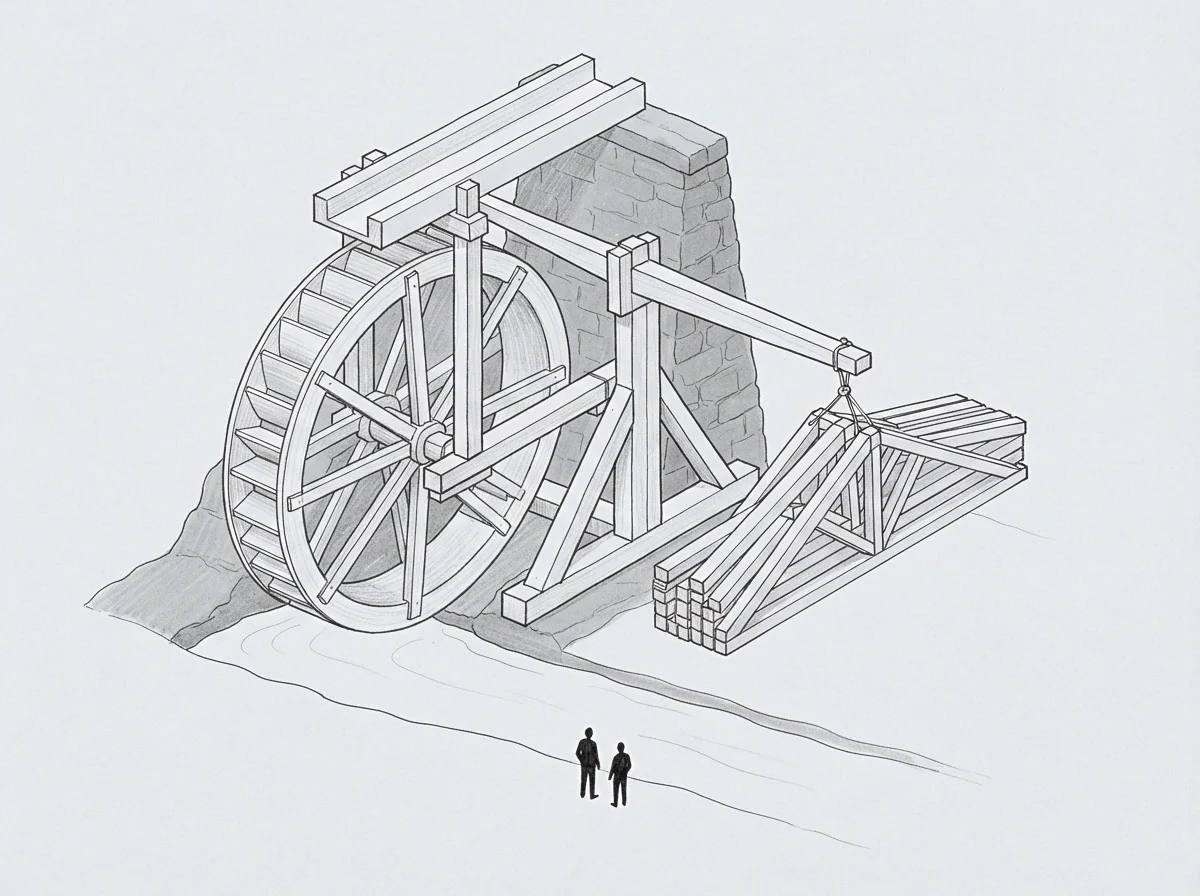
Under ordinary conditions, sympathetic output declines along an exponential curve, permitting vagal resumption within forty minutes after an acute stressor ends. When operational demand sets an unyielding ceiling throughout waking hours, this decay curve flattens. Catecholamine clearance slows as continuous vigilance prompts repeated bursts of epinephrine and norepinephrine.
Vagal tone drops fast. Rebound parasympathetic activity fails to initiate when incoming queries persist into the evening hours, and prolonged cardiac acceleration quietly compounds the biological burden.
The time required for heart rate variability to return to baseline serves as a direct indicator of physiological debt. On a healthy recovery curve, high-frequency heart rate variability rises steadily once physical or psychological exertion stops. Under chronic operational ceilings, high-frequency power stays depressed for six to twelve hours after active tasks pause.
The heart rate remains high. Vagal reactivation slows because the central autonomic network treats ongoing organizational responsibility as an active survival challenge.
Vagal tone recovers along a predictable decay curve only when afferent cognitive inputs terminate completely before recumbency.
Ambulatory electrocardiographic recordings from corporate executives establish that parasympathetic decay latencies extend from forty-five minutes after episodic stress to upwards of three hundred minutes during sustained funding negotiations. These data rest on twenty-four-hour continuous monitoring in cohort studies evaluating autonomic tone through high-stakes transactions. If continuous beat-to-beat microneurography in shift workers without remote connectivity showed matching suppression curves, that delay might stem from physical fatigue rather than persistent cognitive vigilance.
The observed data demonstrates that latency tracks the anticipated arrival of operational messages rather than physical exhaustion.
Time Constants of Vagal Resumption
Parasympathetic reactivation measures the restoration of cardiac control through respiratory sinus arrhythmia. Under manageable demands, the root mean square of successive differences in normal heartbeat intervals rises rapidly during evening rest. An operator sustaining an operational ceiling experiences an elongated time constant, where values stay flat until deep sleep.
The systemic load stays locked. Neuroendocrine signaling maintains peripheral vasoconstriction while the central nervous system continues scanning for incoming obligations.
Treating extended autonomic decay latency as ordinary insomnia often leads to sedative usage that leaves arterial tone unmitigated while cognitive capacity degrades further.
Vessel
Hemodynamic Fixation and Dipping Failure
Arterial pressure maintains a sustained daytime plateau when incoming cognitive inputs stay active. Healthy cardiovascular physiology displays nocturnal dipping, where systolic and diastolic blood pressure decrease ten to twenty percent below waking averages during sleep. Managing unceasing operational exposure produces non-dipping profiles.
Vascular resistance stays elevated. Smooth muscle cells in systemic arterioles stay contracted under persistent alpha-adrenergic receptor stimulation.
The absence of nighttime hemodynamic dipping creates microvascular shear stress. Over months of unremitting operational vigilance, diurnal variation in blood pressure flattens into an unbroken line. Nocturnal blood pressure fails to dip.
Cardiac stroke volume stays coupled with peripheral resistance, depriving coronary and cerebral vascular beds of resting perfusion windows. The vascular bed remains constricted. The second slot absorbed the pending wire transfer.
| Physiological Marker | Episodic Load State | Ceiling Operational State |
|---|---|---|
| Heart Rate Variability Recovery | Restores baseline power within two hours | Suppressed low and high frequency spectral power through sleep |
| Nocturnal Systolic Blood Pressure | Dips ten to twenty percent below waking mean | Plateaus within five percent of daytime values |
| Systemic Vascular Resistance | Declines following post-work cognitive disengagement | Persists elevated via sustained alpha-adrenergic constriction |
| Baroreflex Sensitivity | Resets to resting homeostatic baseline | Remains reset to a higher operating pressure |
| Plasma Norepinephrine Clearance | Half-life clears circulating catecholamines by evening | Sustained spillover maintains elevated circulating levels |
Sustained systemic vascular resistance overnight abolishes the normal ten percent nocturnal blood pressure dip.
Baroreflex Resetting Under Constant Input
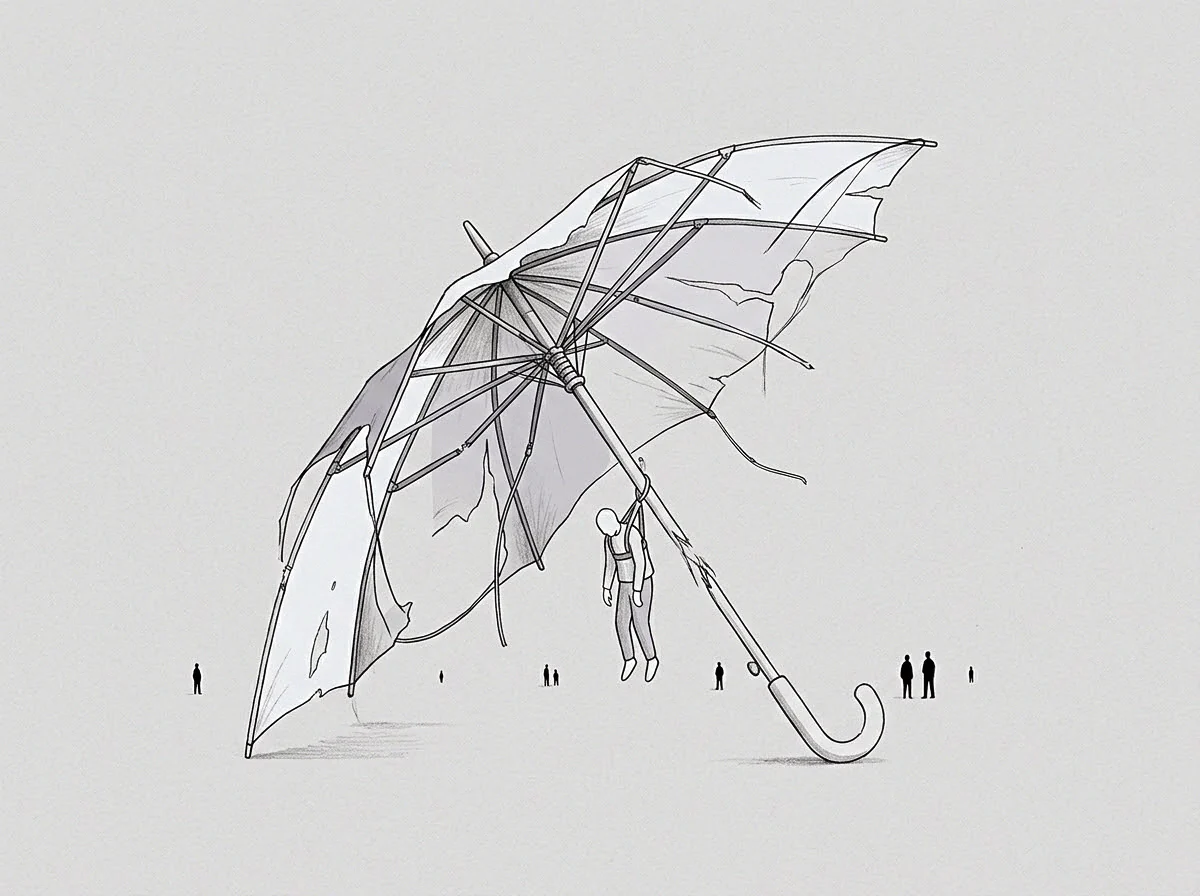
Neural afferents from carotid sinuses shift their operating setpoint upward during unceasing vigilance. Under persistent demands, the central nervous system recalibrates the arterial baroreflex to preserve elevated blood pressure rather than attenuating it. The baroreceptors interpret high systemic pressure as the necessary baseline for sustained operational response.
The baroreceptors reset higher. Sympathetic outflow to the kidneys and skeletal muscle remains elevated even when lying motionless.
The vascular response becomes structurally conditioned through repeated hours of high tone. Sustained operational demand maintains this state by preventing inhibitory pathways in the solitary tract nucleus from engaging parasympathetic motor outputs. Arterial walls hold the pressure.
Circulating endothelin-1 levels stay elevated, opposing nitric oxide-mediated vasodilation throughout the nocturnal cycle.
A verified ten percent nocturnal blood pressure dip marks the physiological boundary where vascular smooth muscle finally disengages from continuous operational vigil.
Floor

What Postpones Vascular Rest During Sustained Demand?
Nighttime recumbency introduces an expected reduction in cardiac output that uncouples from autonomic activity when monitoring continues past midnight. The physical bed provides mechanical rest while central hemodynamic indices continue running at daytime levels. When awaiting late communications, systemic vascular resistance fails to descend to its basal minimum.
Auxiliary diesel generators in cargo terminals idle similarly for days at dockside berths, burning fuel without propelling freight simply to prevent thermal shock in cold piping. The human circulatory tree maintains defensive tone during passive rest to prepare for sudden demands.
Twenty-four-hour ambulatory blood pressure monitoring in executive cohorts establishes that nocturnal non-dipping correlates directly with ongoing unread messages. This observation rests on cuff-based oscillometric field studies recorded during active business cycles. If invasive intra-arterial line telemetry proved that central aortic pressure fell normally despite elevated peripheral brachial measurements, this finding would represent localized vasoconstriction rather than systemic sympathetic activation.
The available data indicates that central aortic pressures remain sustained, transferring shear stress directly into cardiac and cerebral vessels.
The body registers an unread message as continuous vigilance regardless of intent.
Night removes no work. Sleep stages become fragmented as sympathetic micro-arousals disrupt delta-wave architecture. Heart rate fails to drop to its biological resting floor, hovering ten to fifteen beats above healthy baseline levels throughout the dark period.
Sleep brings little restoration. While the physical body remains horizontal, hemodynamic machinery works through an unbroken operational shift.
The Endothelial Toll of Night Vigils
Capillary structures exhibit impaired nitric oxide production after seventy-two hours of unbroken standby. When an operator checks notifications during the night, endothelial nitric oxide synthase activity drops, inhibiting flow-mediated dilation. Endothelial cells show constant tension.
The physical bed turns into a holding area for unresolved operational strain rather than a restorative environment.
Physical recumbency without operational detachment produces exhaustion rather than recovery.
Circuit
Stream Multiplicity at Operational Ceiling
Simultaneous operational responsibilities occupy biological capacity regardless of their immediate urgency. Holding multiple parallel issues accumulates sympathetic load. Each unclosed matter demands background monitoring, keeping the hypothalamic-pituitary-adrenal axis primed for action.
Every open loop demands surveillance. Cortisol secretion flattens across the circadian cycle, replacing the sharp morning awakening surge and evening trough with a continuous, low-amplitude plateau.
The brain cannot distinguish between a pending contract dispute, an unread notification, and an existential survival challenge when calculating neuroendocrine output. Each incoming stream claims an active regulatory slot. The third slot held the unresolved dispute.
The number of parallel unclosed topics dictates the autonomic ceiling. When four or five open operational channels run simultaneously without clear resolution dates, systemic recovery halts entirely.
- Pending contract revisions maintain sympathetic motor output while awaiting exterior legal responses during evening hours.
- Unanswered counterparty inquiries occupy biological working slots through continuous baseline vigilance, preventing parasympathetic recovery even during quiet periods.
- Unresolved operational incidents keep arterial baroreceptors calibrated to active crisis states.
- Deferred personnel conversations demand covert neural monitoring across non-working periods, sustaining catecholamine secretion throughout the night.
Slot Arithmetic and Cognitive Availability
Human attention functions within finite parallel registers that exhaust systemic endurance when saturated. When three open topics consume all available regulatory headroom, any fourth operational inquiry forces the neuroendocrine system into emergency compensation. The fourth line holds priority.
A silent telephone still costs capacity. The somatic nervous system prepares for sudden physical response while the person sits at a quiet desk.
An operator may interpret this state as professional focus, yet cardiovascular parameters reflect sustained biological strain. The capacity to handle emotional ambiguity deteriorates as baseline catecholamine levels stay elevated. The body maintains active defense.
The third slot never clears. The operational ceiling becomes an anatomical reality encoded in elevated peripheral vascular tone and suppressed heart rate variability.
The response arrived within ten minutes, so the evening message caused no disruption.

Clearance
Structural Gating and Autonomic Uncoupling
Imposing an explicit deadline and bounding the scope of incoming messages terminates nocturnal neuroendocrine signaling. Autonomic decay curves steepen when the human nervous system receives unambiguous confirmation that external monitoring has ended for the day. Restricting communications to predefined operational windows frees the biological slots that sustain vascular tension.
The night slot stays occupied. Heart rate variability rises only after cognitive surveillance ends completely.
Setting terms on responsiveness permits the solitary tract nucleus to restore normal vagal outflow to the sinoatrial node. When clear criteria are defined for urgent contact and remaining operational streams are muted, systemic peripheral resistance drops. Peripheral arterioles relax, restoring capillary perfusion to organs deprived of resting blood flow during waking hours.
Hemodynamic recovery begins in the structural architecture of operational communication.
Complete autonomic clearance follows the total removal of unclosed operational loops rather than passive rest.
Latent Hemodynamic Stabilization Schedules
Restoring physiological elasticity takes extended periods of documented perimeter separation after months of running at capacity. The precise duration of off-channel rest needed to reverse baroreflex recalibration remains uncertain in current clinical literature. Under this empirical uncertainty, an experienced operator institutes an absolute seventy-two-hour structural disconnection window without intermediate message verification.
This extended quiet period allows central catecholamine spillover to clear, permitting vascular smooth muscle cells to regain baseline sensitivity to acetylcholine.
Recovery demands an unmonitored interval. Autonomic decay curves steepen toward healthy parameters when structural boundaries shield the nervous system from incoming operational demands. Arterial compliance returns over extended periods when incoming demands cease crossing the evening perimeter, permitting homeostatic regulatory circuits to regain their original sensitivity.